

The Pathways to Inner Life
Many Doors. One Journey.
Why Inner Life?
Most approaches to inner development focus on one dimension of experience.
Some focus primarily on the body. Others focus on the mind. Still others emphasize philosophy, belief, or spiritual insight. While each approach can be valuable, human experience does not unfold in separate compartments. Body, breath, attention, perception, emotion, and awareness constantly influence one another. What happens in one dimension inevitably affects the others.
Inner Life explores how these capacities can be cultivated together through lived experience. Drawing from martial arts, internal cultivation traditions, contemplative disciplines, healing systems, and the study of consciousness, it offers a practical approach to development rooted in direct experience rather than theory alone.
The goal is not merely the accumulation of information, techniques, or beliefs. The goal is integration.
People arrive at this work for many reasons. Some seek greater presence and clarity. Others wish to deepen meditation, improve martial arts training, understand consciousness, cultivate resilience, or bring greater coherence to daily life. The reasons differ, but the underlying movement is often the same: a desire to become more fully present, capable, aware, and alive.
There are many doors into the work. Where one begins matters less than what develops through sustained engagement and practice.
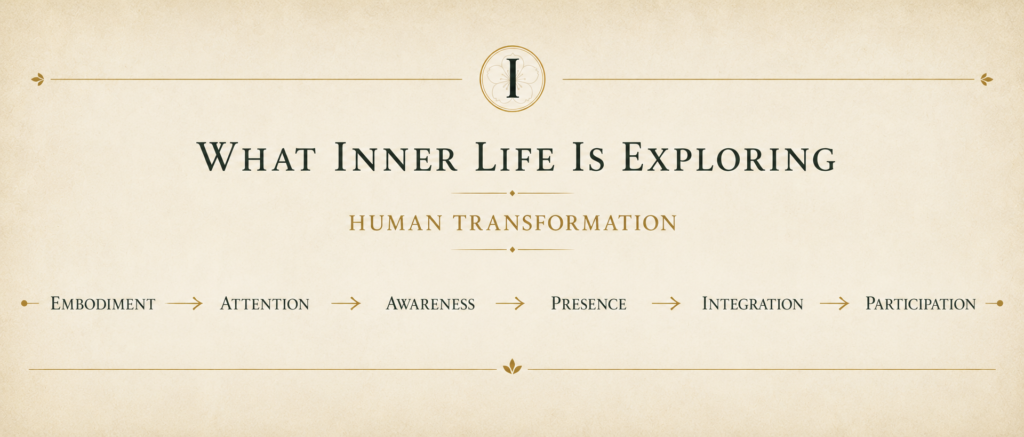
The Pathways to Inner Life
People arrive at Inner Life through different interests, backgrounds, and questions.
Some are drawn to martial arts. Others arrive through Tai Chi, meditation, contemplative traditions, healing disciplines, philosophy, or the exploration of consciousness itself. While these interests may appear unrelated, they often lead toward the same field of development.
Each pathway cultivates particular capacities. Each reveals both possibilities and limitations. Over time, these paths begin to overlap, informing and enriching one another. What begins as a specialized interest gradually becomes a broader exploration of embodiment, awareness, and transformation.
Begin wherever the work speaks most directly to your experience.
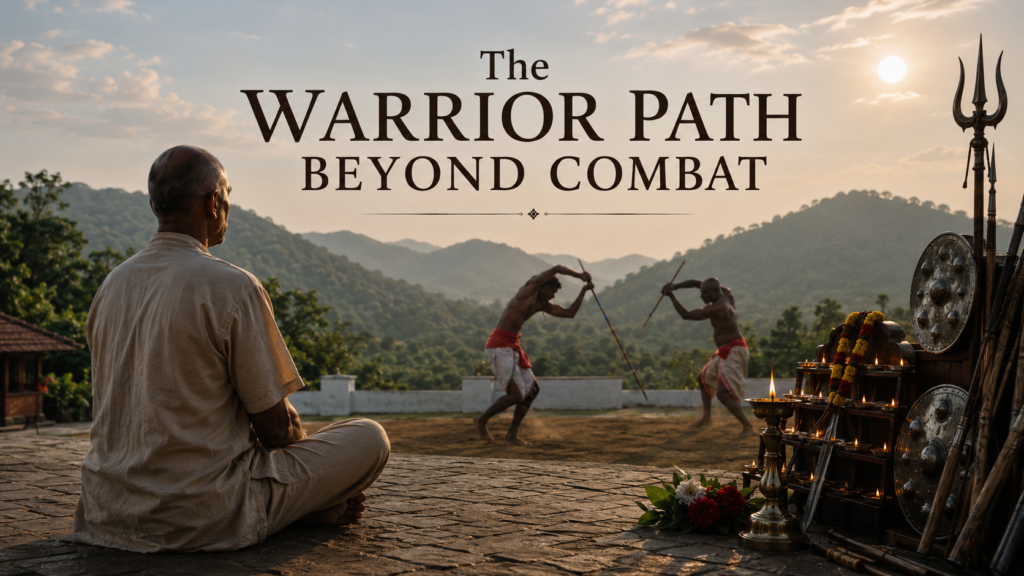
EMBODIMENT
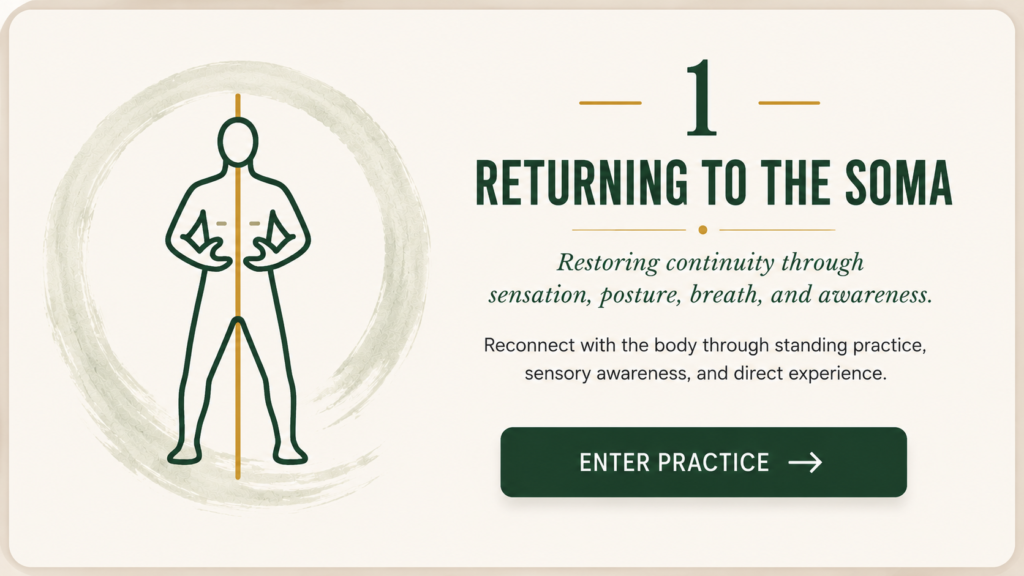
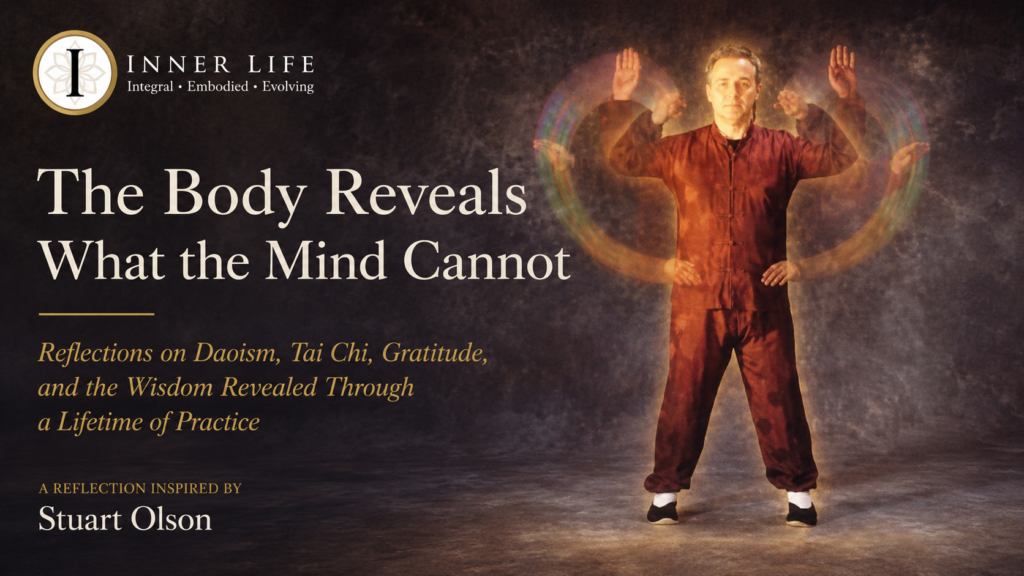
For many people, the body is the most accessible doorway into development. It is opne of the primary pathways to inner life development.
Embodied practice includes martial arts, Tai Chi, movement disciplines, breathwork, posture, structure, and somatic awareness. These methods cultivate sensitivity, coordination, stability, and presence through direct experience. Rather than treating the body as an object to control or improve, they reveal it as a source of information, perception, and understanding.
Through embodied practice, attention becomes grounded, awareness becomes more immediate, and experience becomes less abstract. What begins as movement gradually becomes a way of perceiving and participating in life.
Enter Embodiment
PRACTICE
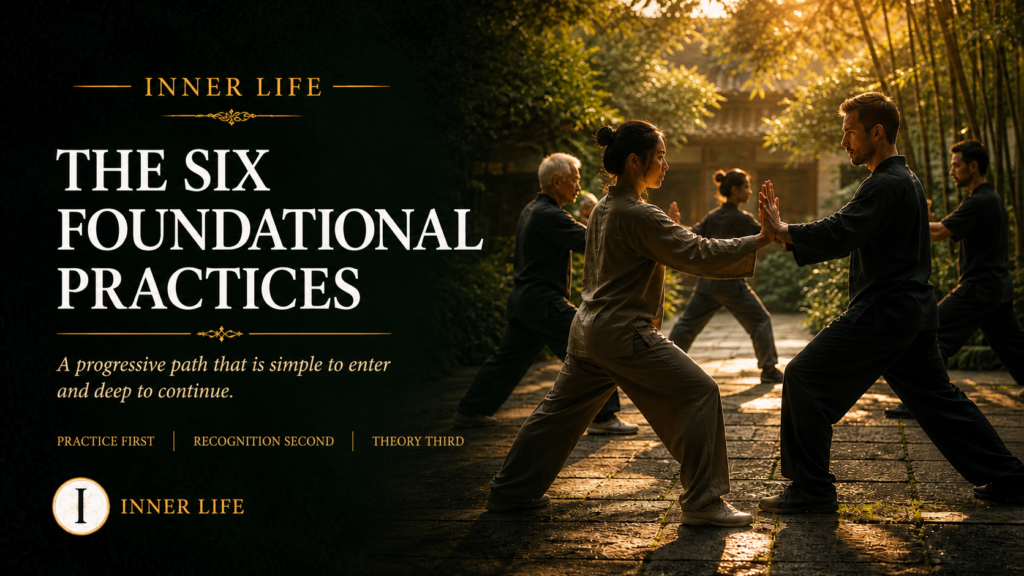
Practice is the bridge between understanding and transformation.
Insight alone rarely changes us. Lasting development emerges through repetition, attention, reflection, and direct engagement over time. Through practice, capacities become more stable, perception becomes more refined, and understanding becomes embodied.
The practice pathways to inner life explore how development unfolds through training and deliberate cultivation. It examines how small actions, repeated consistently, gradually reorganize experience and reveal deeper possibilities for growth and integration.
Practice is where ideas become lived experience.
Enter Practice

WISDOM TRADITIONS
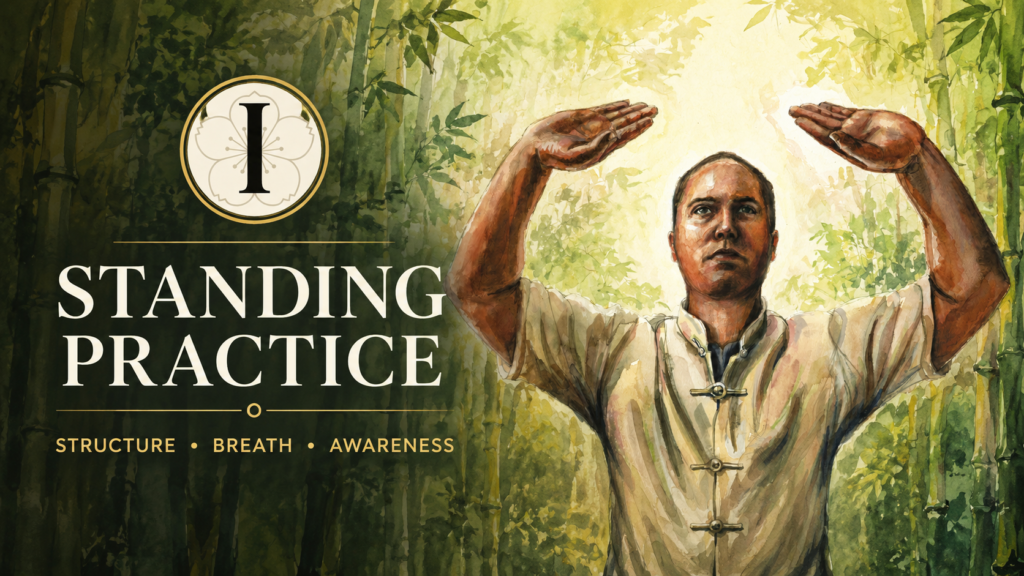
Across cultures and centuries, wisdom traditions have developed methods for exploring meaning, suffering, awakening, virtue, and human flourishing.
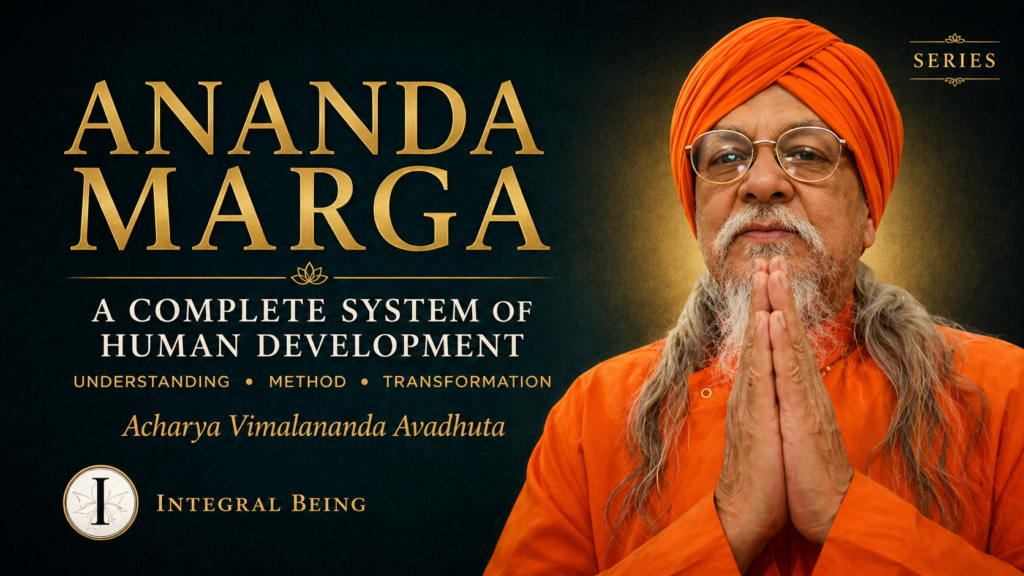
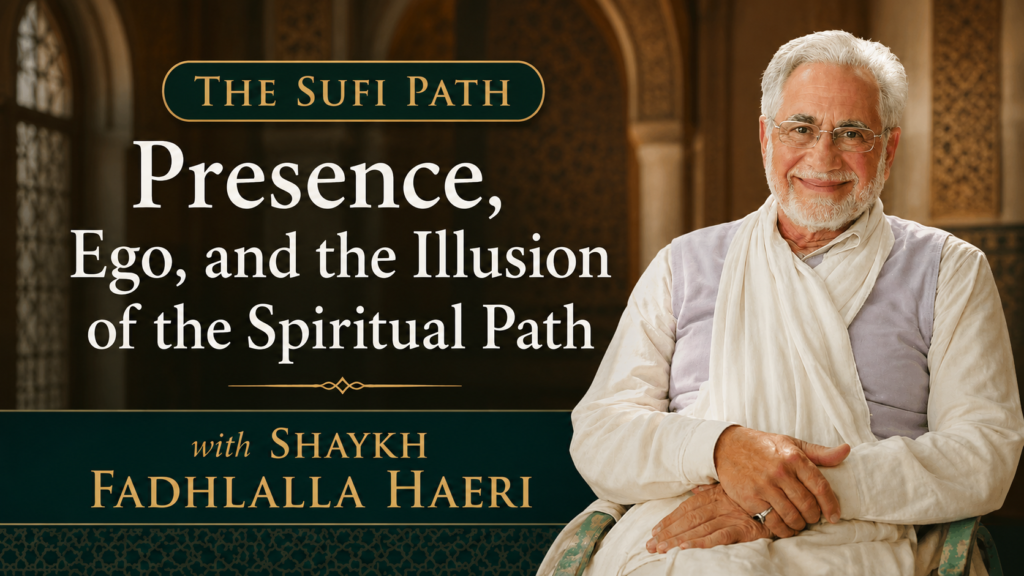
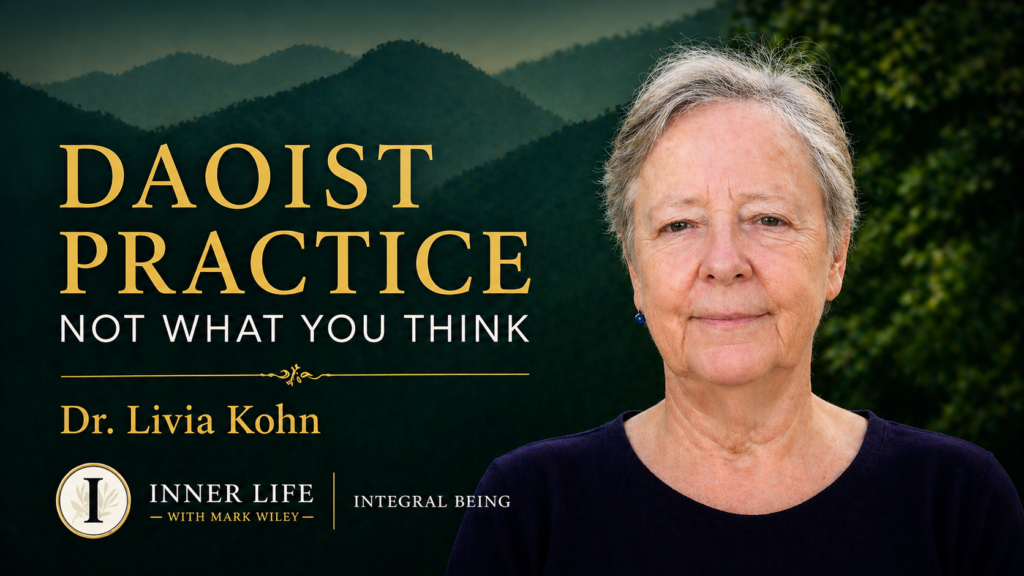
Inner Life approaches these traditions not primarily as systems of belief, but as living repositories of insight, practice, and human experience. Daoism, Buddhism, Sufism, Tantra, contemplative Christianity, traditional martial disciplines, and other lineages of cultivation all offer perspectives on how transformation unfolds through lived engagement.
While the language and methods may differ, many traditions point toward similar questions: How does a human being develop? What supports clarity and presence? What obscures them? How can practice become a vehicle for transformation?
These traditions provide both guidance and perspective for the modern practitioner.
Enter Wisdom Traditions
Consciousness
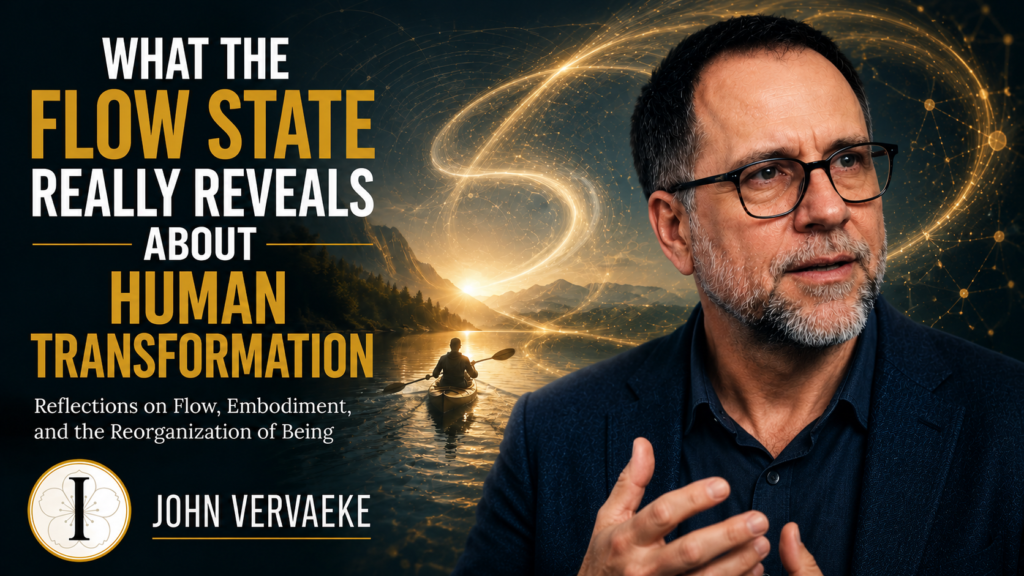
At the heart of many traditions lies a common question:
How does consciousness develop?
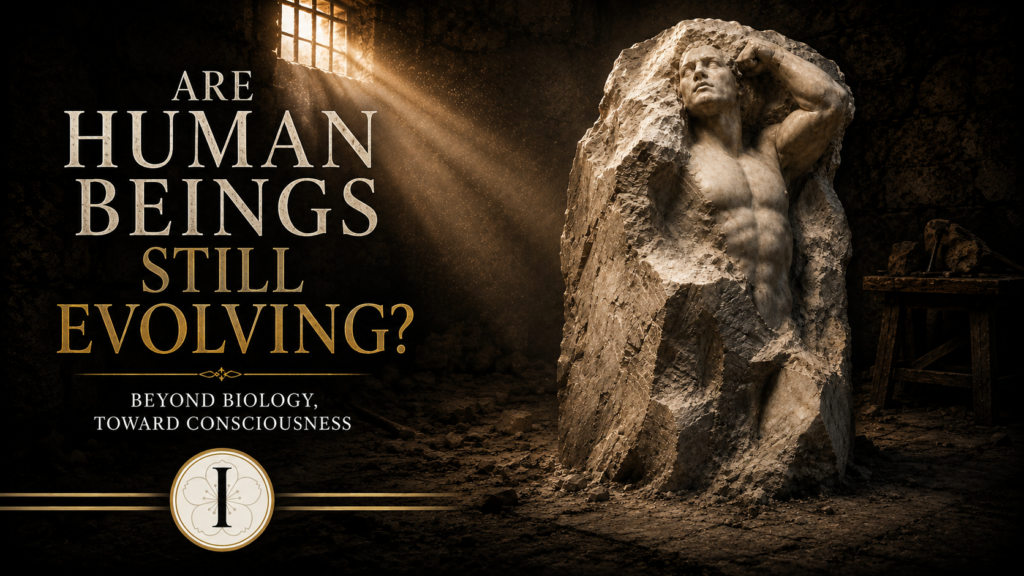
This pathway explores awareness, identity, perception, transformation, and the possibility of living with greater coherence and presence. Consciousness is approached not merely as a concept to understand, but as something to investigate directly through experience and practice.
The conversations and reflections found here examine how human beings perceive themselves, how awareness changes over time, and how different traditions approach the mystery of consciousness and transformation.
For some visitors, this becomes the primary doorway into the work; one of the easiest pathways to inner life. For others, it emerges naturally after years of embodied practice or contemplative exploration.
Enter Consciousness
One Field, Many Doors
These pathways to inner life are not separate destinations.
A martial artist may discover meditation. A meditator may become interested in embodiment. A philosopher may discover the necessity of practice. A seeker of consciousness may find wisdom through movement.
Over time, the boundaries begin to soften. What appears to be many paths gradually reveals itself as one field of development. Different traditions, methods, and disciplines illuminate different aspects of the same human process.
Inner Life is an exploration of that field.
No matter where you begin, the invitation remains the same: to cultivate greater presence, awareness, stability, and participation in life through lived experience.
What begins as many interests gradually reveals itself as one field of development.
Different traditions illuminate different aspects of the journey, yet each points toward the same possibility: greater presence, awareness, integration, and participation in life.

Where to Begin
These pathways to inner life are not separate destinations.
A martial artist may discover meditation. A meditator may become interested in embodiment. A philosopher may discover the necessity of practice. A seeker of consciousness may find wisdom through movement.
What begins as many interests gradually reveals itself as one field of development. Different traditions, methods, and disciplines illuminate different aspects of the journey, yet each points toward the same possibility: greater presence, awareness, integration, and participation in life.
Inner Life is an exploration of that field.
Whether one begins with movement, contemplation, wisdom traditions, or the study of consciousness, the invitation remains the same: to participate more fully in life through embodied experience, refined awareness, and sustained practice.
Continue the Journey
FOUNDATIONAL PRACTICES
Begin the experiential work through six
specially developed practices.
→ ENTER HERE