INTEGRATED MODULAR TRAINING
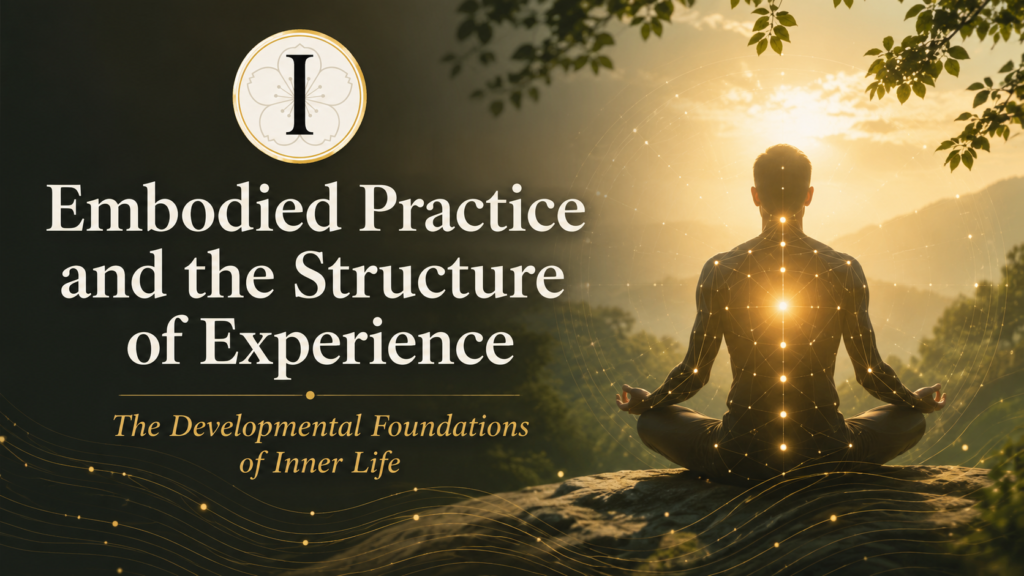
The structure of development within Inner Life
For many years, I was troubled by something I observed repeatedly in martial arts training.
Students accumulated techniques, drills, combinations, and forms, yet genuine development often unfolded slowly, unevenly, or not at all. People could reproduce movements with increasing accuracy, but the deeper capacities that made those movements functional—timing, coordination, continuity, responsiveness, stability, and perception—did not necessarily develop at the same rate.
At first, I assumed the problem lay in curriculum design. I wondered whether training could be organized so that development became more efficient—not simply learning more techniques, but cultivating the underlying capacities that made every technique more effective. I reorganized material, experimented with teaching sequences, emphasized principles over memorization, and continually refined how progression was structured. While these changes often improved learning, they did not fully explain why some practitioners developed deeply while others plateaued.
Gradually, another pattern emerged...
Transformation was not produced by adding more techniques or by offering better explanations. Nor did it arise from isolated exercises practiced independently of one another. Development accelerated when fundamental capacities were cultivated in relationship—when structure, movement, breath, attention, timing, perception, and coordination progressively organized into an integrated whole.
An equally important insight followed. These capacities developed most reliably when each new layer of training emerged from what had already become stable. Rather than accumulating information, practice became a process of integration. Each module reinforced the others, allowing development to build upon itself instead of beginning again with every new skill.
What began as an attempt to improve martial arts instruction gradually revealed something more fundamental. The principles I was observing were not unique to martial arts. They described a broader pattern of human development that appeared wherever embodied capacities matured through practice.
This became the foundation of Integrated Modular Training (IMT)—not simply a method of teaching techniques, but a developmental architecture for cultivating integration through lived experience.
The Pattern Becomes Explicit
IMT began in martial arts, but over time it revealed a broader principle found across disciplines: development occurs not through isolated techniques alone, but through the progressive integration of underlying human capacities.
What begins as separate training eventually functions as a unified system.
Integrated Modular Training (IMT) makes explicit a pattern often discovered only through years of practice and nearing mastery across different traditions. Methods may differ—stillness, movement, breath, structure—but over time the same realization emerges: lasting development comes not from techniques alone, but from the cultivation and integration of underlying human capacities.
Integrated Modular Training (IMT) makes this pattern explicit. It does not replace traditional systems—it reveals what they cultivate, and organizes training around those shared capacities.
IMT is not a collection of practices. It is the structure through which practice becomes development.
As these capacities develop, attention begins to hold across time. What once required effort becomes continuous. What was trained separately begins to function as a unified system.
You may have already seen this—learning something in one area that suddenly changes how another feels or functions.
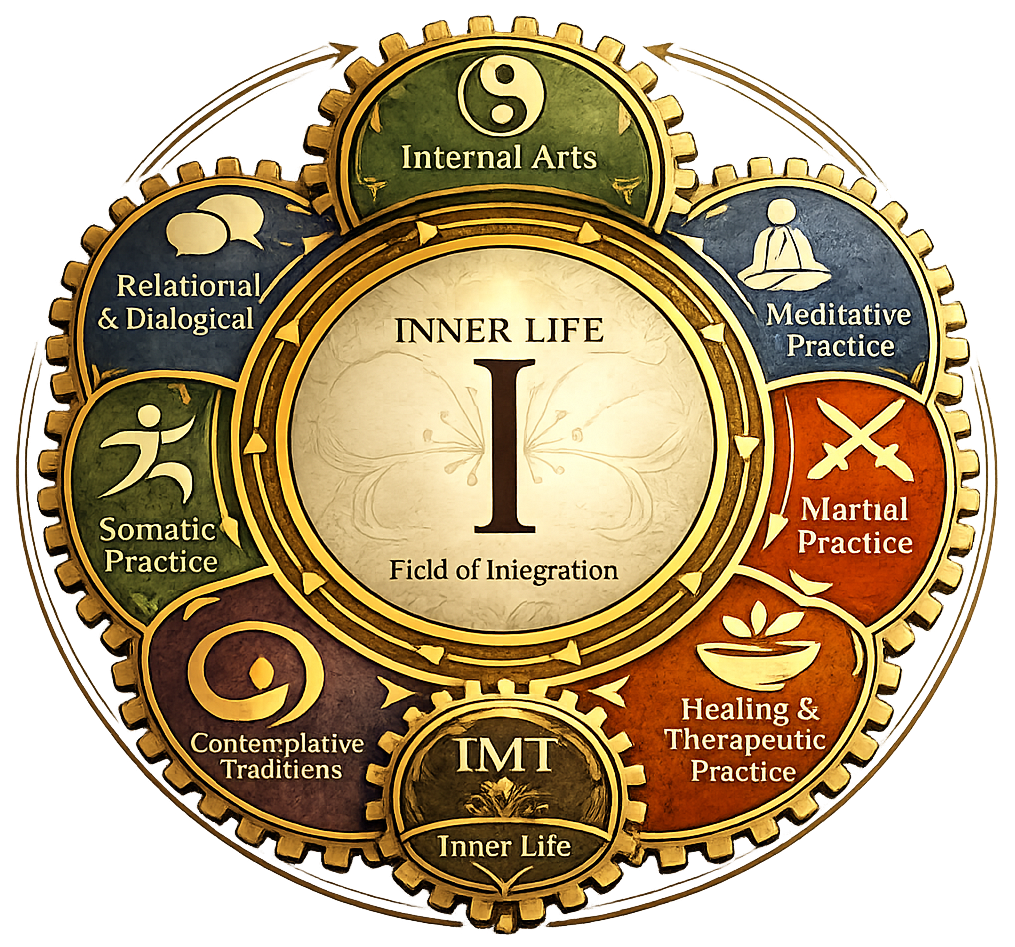
Different methods become entry points
into the same developmental process.
The Four Capacities
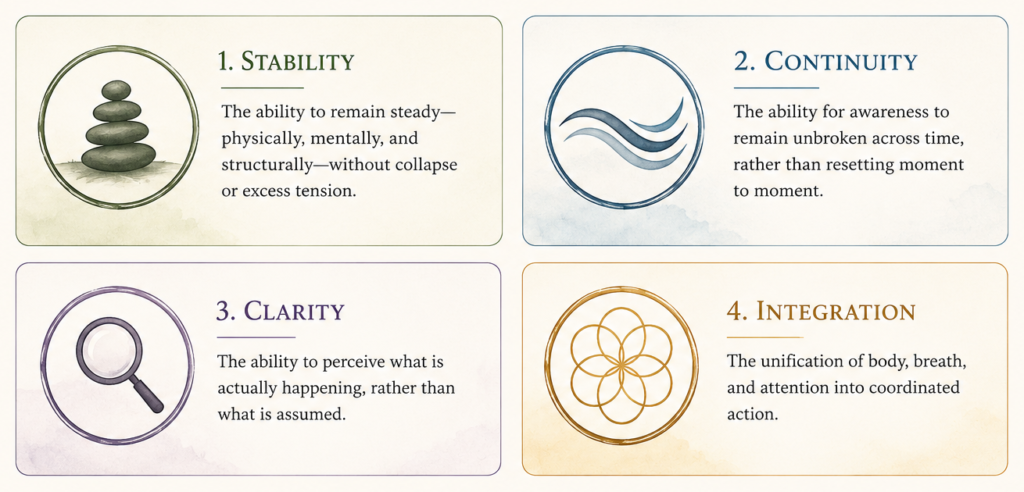
Integrated Modular Training (IMT) makes explicit a pattern found across traditions, practices differ—stillness, movement, breath, structure. Yet over time, a consistent pattern emerges: what develops is not the technique itself, but the underlying capacities of the human system. develops four fundamental capacities: stability, continuity, clarity, and integration. These are not abstract ideas. They can be observed directly in the body.
These capacities do not develop in isolation. They emerge through relationship—first trained, then integrated, until they no longer appear separate and the system organizes into coherence.
From Technique to Capacity
Most systems are organized around techniques.
IMT shifts the focus to what those techniques develop.
Different practices become entry points into the same process. Stillness develops stability. Breath develops continuity. Sensitivity develops clarity. Movement develops integration. Over time, these begin to overlap.
What is trained in one domain must transfer to others. Stability must hold in movement. Clarity must remain under pressure. Integration must function beyond controlled conditions.
Development is not complete until it transfers across conditions.
Over time, the shift becomes felt—less focus on what you are doing, more on how the system is functioning.
Skill A → Skill B → integrate → becomes new baseline → add Skill C → integrate again → becomes new baseline →
Coupling and Integration: How the System Develops
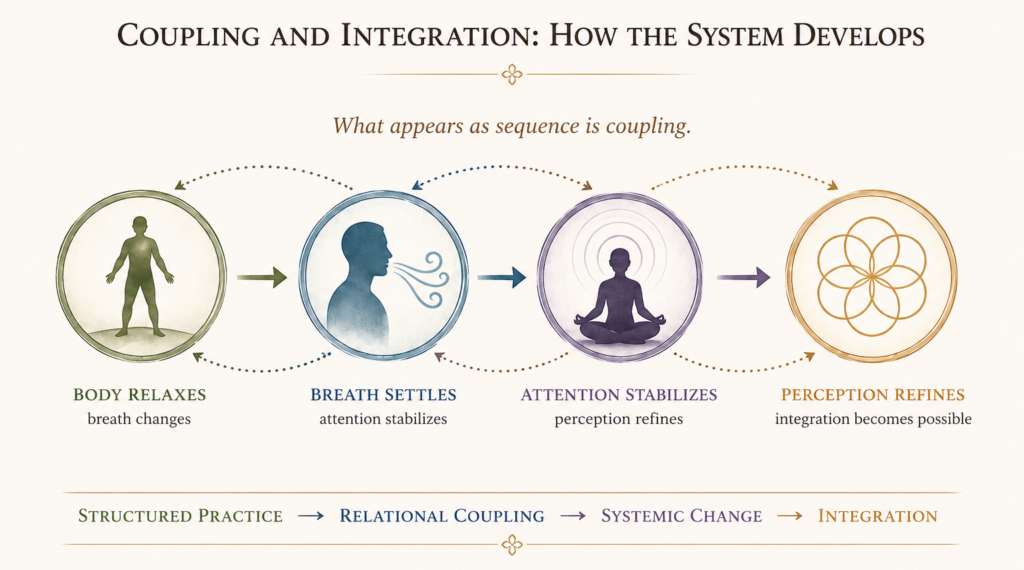
Integrated Modular Training (IMT) does not train capacities in isolation. It brings them into relationship through structured practice.
What appears as sequence is not separation—it is coupling that leads to integration.
- When the body relaxes → breath changes.
- When breath settles → attention stabilizes.
- When attention stabilizes → perception refines.
- When perception refines→ integration becomes possible.
Each phase activates the next while continuing to operate. This is not additive development—it is relational and transmissive. Change in one function reorganizes the entire system. A single practice does not train a single capacity; it engages a connected system in which each function influences the others.
Coupling describes how functions begin to influence one another. Integration occurs when these relationships stabilize into coordinated action. In IMT, this coordination does not remain temporary—it consolidates into a new baseline, forming a capacity that can operate across conditions.
Training therefore functions less like assembling parts and more like interlocking gears. When one aspect shifts, it transmits change through the whole system.
This is why IMT does not separate meditation, internal work, and somatic training. Properly structured practice engages them simultaneously—developing stability, continuity, clarity, and integration together.
What appears as method is the entry point. What is being trained is the system itself.
Dynamic Polarity
IMT does not develop isolated capacities. It develops the ability to hold opposing forces in dynamic relationship.
Structure and fluidity
Precision and adaptability
Stability and responsiveness
Progress does not come from maximizing one side, but from stabilizing the relationship between opposing forces.
The Structure of Integrated Modular Training
Training progresses through a recognizable shift. At first, a capacity is developed in isolation within a controlled context. Then it is recognized across different forms of practice. Finally, it stabilizes under changing conditions—movement, pressure, and unpredictability.
This is where practice becomes reliable—not because it is understood, but because it is embodied. IMT becomes lived integration through the Emergent Coherence Practice Field.
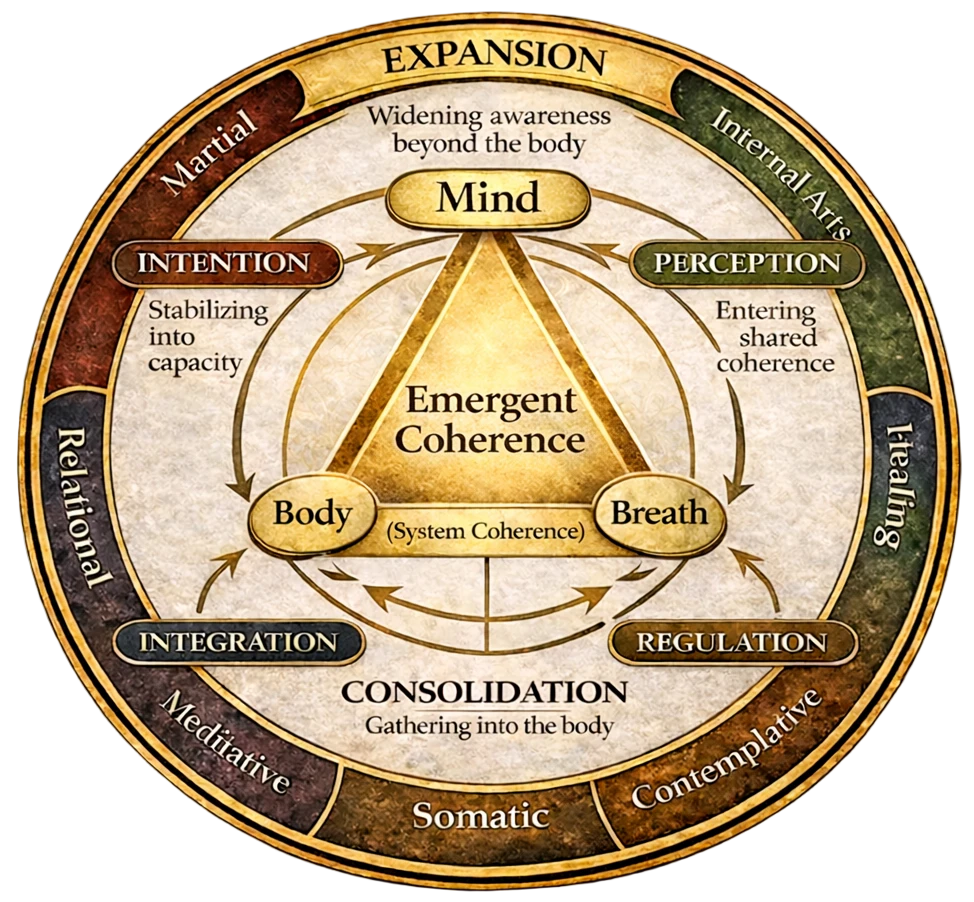
Integration is not achieved by training parts in isolation, but through cycles of expansion, perception, consolidation, and embodiment across domains.
These four capacities—Attention, Perception, Integration, and Regulation—develop through relationship, not isolation.
Coherence
As these capacities begin to align, something shifts—
often subtly at first.
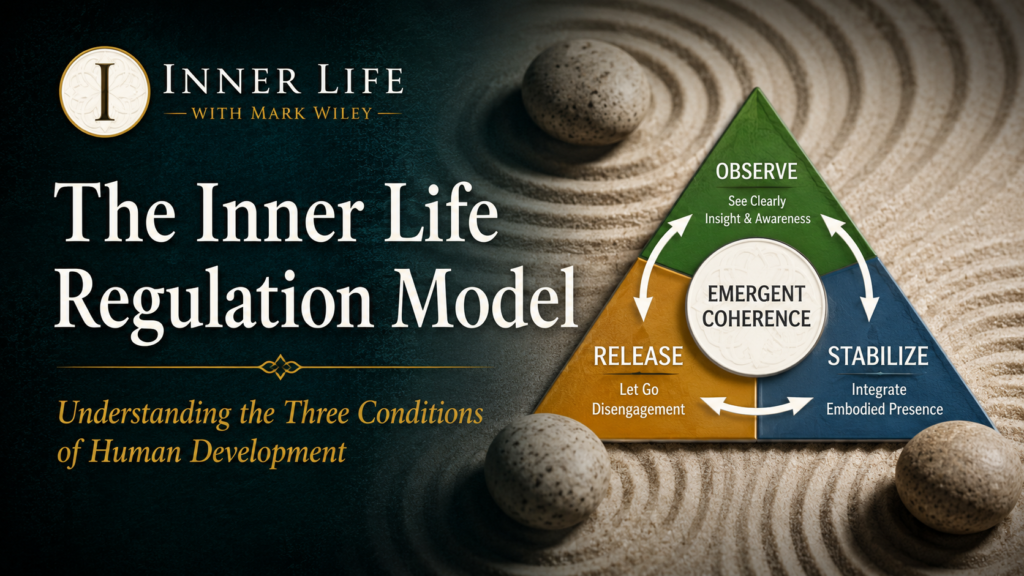
As stability, continuity, clarity, and integration align, the system reorganizes. Breath becomes continuous. Structure stabilizes without rigidity. Attention remains present without strain. Movement becomes coordinated.
This reorganization is experienced directly. In traditional systems, it is described as the regulation or emergence of qi. Within Inner Life, it is understood as coherence—the synchronization of internal processes into a unified pattern.
IMT does not produce coherence directly. It creates the conditions through which it can emerge.
Regulation: The Role of ESD
Development is not linear. As capacity increases, imbalance appears.
- Stability can become rigidity.
- Continuity can fragment.
- Clarity can dull.
- Integration can collapse under pressure.
Within Inner Life, these imbalances are recognized as excess, stagnation, and deficiency.
- Excess reflects what is over-applied.
- Stagnation reflects what is not integrating.
- Deficiency reflects what has not yet developed.
ESD functions as the feedback mechanism within IMT. It allows the practitioner to recognize imbalance and apply the appropriate adjustment—reducing excess, moving stagnation, and building deficiency.
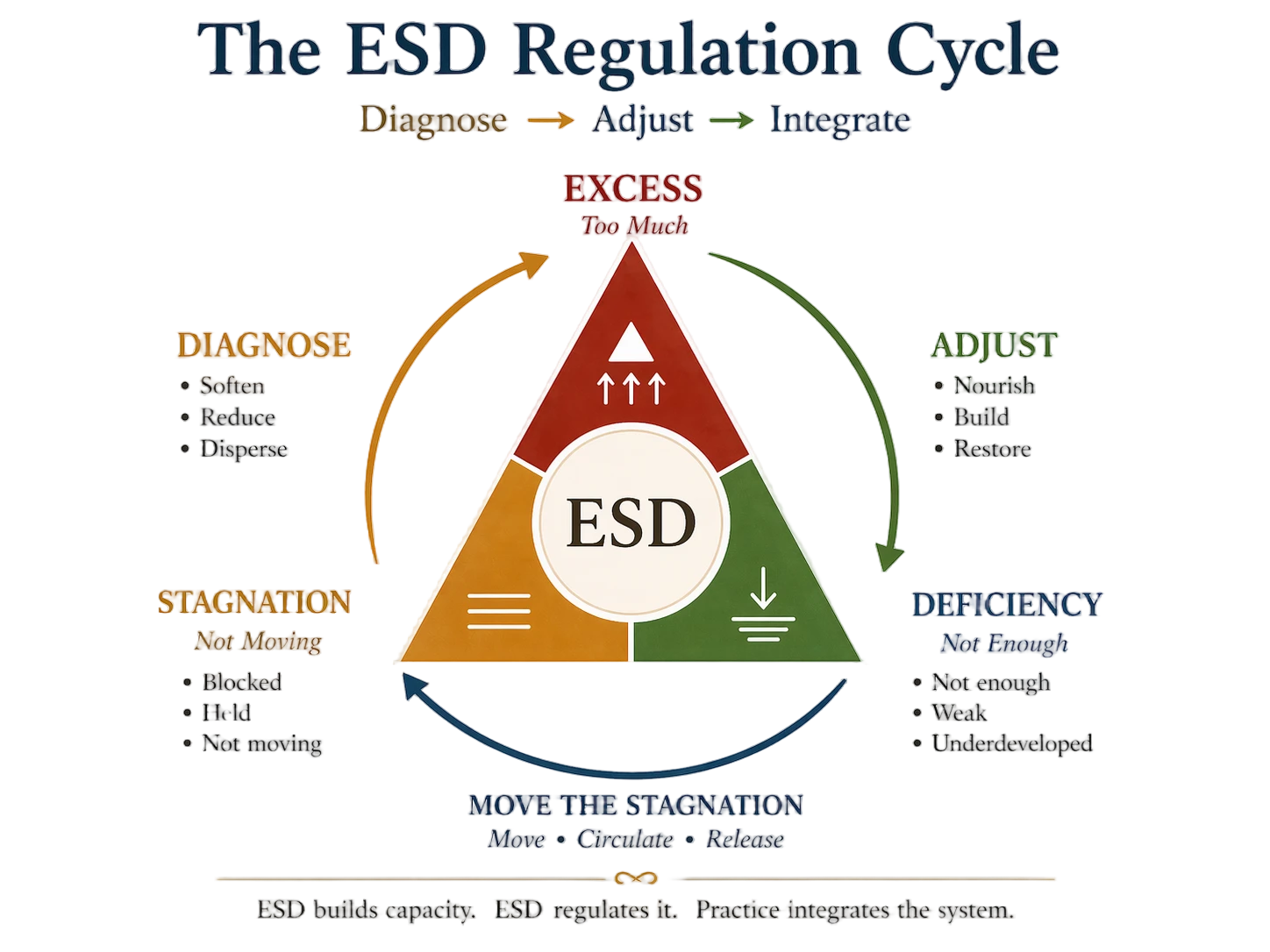
IMT builds capacity. ESD regulates it. Practice integrates both.
Learn about autonomic regulation here.
The Deeper Function
Over time, IMT is no longer conceptual.
The practitioner does not think in terms of stability or clarity. These are felt directly as conditions of the system. When something is off, it is recognized immediately. When adjustment is needed, it happens without analysis.
This marks the transition from training to embodiment.
The Practice Field
The Practice Field is where IMT becomes functional in lived experience. What begins as trained capacity within the individual begins, over time, to synchronize across body, breath, attention, and relationship.
Coherence is no longer only internal. It becomes shared, perceptible, and trainable.
Integration emerges through cycles of
consolidation, expansion, alignment, and stabilization.
IMT is not a method to be followed, but a structure to be realized through practice.
What is trained becomes how one functions.
Beneath the diversity of traditions lies a shared process of development—revealed through sustained practice, and stabilized through embodiment.
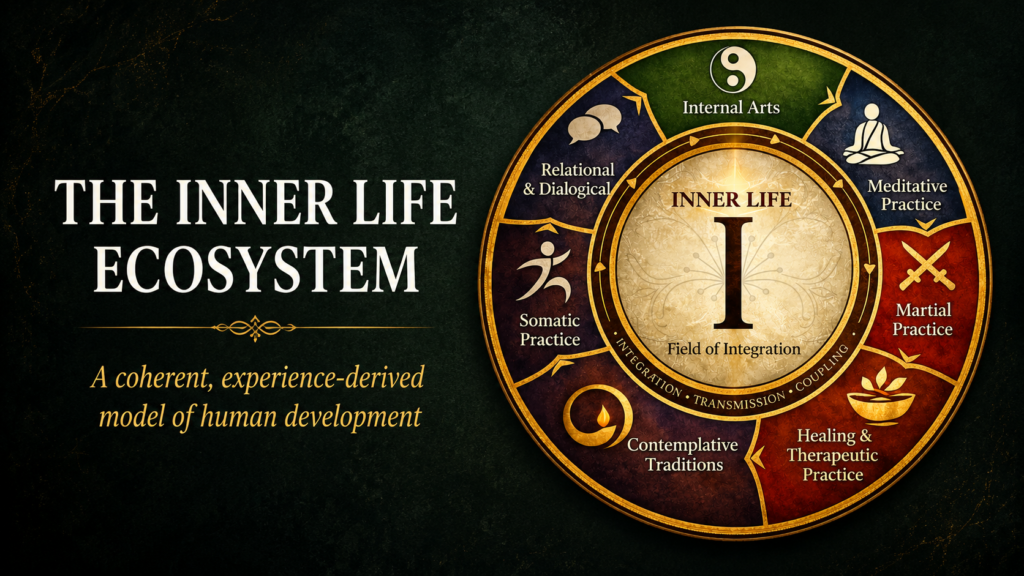
The Inner Life System describes the developmental process through which embodied human capacities are cultivated, refined, stabilized, and expressed.
Integrated Modular Training explains the methodology through which development occurs.
Together they form one integrated system for embodied human development.
Explore the Inner Life Framework