When Belief Becomes a Way of Life
with Father Jonathan Ivanoff
Orthodoxy, watchfulness, forgiveness, and the transformation that emerges through participation
Belief is not merely something we hold. It is something we practice. Father Jonathan Ivanoff discusses Orthodoxy, watchfulness, forgiveness, and the transformation that emerges through participation.
When Belief Becomes a Way of Life
Most conversations about religion begin with doctrine. This conversation eventually moved somewhere much deeper.
What emerged in my discussion with Father Jonathan Ivanoff was not simply an explanation of Orthodox Christianity, but a different way of understanding faith itself. Rather than treating belief as something held intellectually, Orthodoxy presents faith as something embodied. It is expressed through prayer, worship, discipline, forgiveness, watchfulness, and participation in a living tradition.
As Father Jonathan explained, Orthodoxy is not primarily a collection of ideas one agrees with. It is a way of life one enters. That distinction may seem subtle, but its implications are profound.
Whether one is Christian or not, the question applies universally: What would happen if we measured our beliefs not by what we say, but by how we live? Our habits, reactions, priorities, relationships, and daily actions often reveal our deepest convictions more honestly than our stated opinions.
The conversation repeatedly returned to the idea that transformation requires more than agreement. It requires participation.
“You do not think your way into transformation. You live your way into it.” —Fr Jonathan Ivanoff
Beyond Belief: Faith as Practice
One of the strongest themes throughout the discussion was the inseparability of belief and practice.
Modern spirituality often encourages people to assemble personal systems of meaning. We borrow ideas from different traditions, keep what resonates, and discard what does not. While this approach offers freedom, it can also produce fragmentation. We become collectors of ideas rather than practitioners of a path.
Orthodoxy offers a very different proposition. It presents itself as an integrated whole in which doctrine, ritual, prayer, ethics, worship, and community function together. Each element supports the others. Faith is not something occasionally consulted when life becomes difficult. It becomes the organizing principle around which life itself is structured.
This principle extends far beyond religion. Martial arts, meditation, music, healing traditions, and contemplative disciplines all reveal the same truth. Depth emerges through sustained participation. Transformation occurs through repeated engagement rather than occasional inspiration.
What struck me most was Father Jonathan Ivanoff’s emphasis that understanding often follows practice rather than preceding it. Certain forms of knowledge become available only through direct experience.
Prayer must be practiced, Forgiveness must be practiced, and Attention must be practiced. Only then does their deeper meaning become apparent.
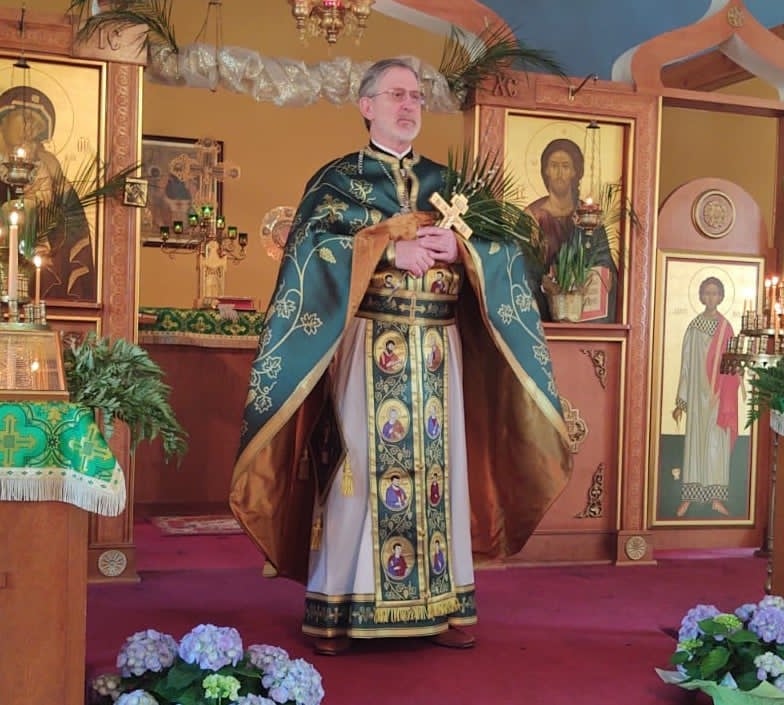
through prayer, worship, discipline, and participation.
Why Understanding Follows Participation
One of the challenges of modern life is that we often assume intellectual understanding is enough. We read books, listen to podcasts, watch videos, and gather information. Yet information alone rarely changes perception.
The Orthodox perspective presented in this conversation suggests that understanding unfolds through participation. You do not fully understand prayer until you pray. You do not fully understand forgiveness until you forgive. You do not fully understand a tradition until you live within it.
This mirrors insights found throughout contemplative traditions. The deepest forms of learning are embodied rather than conceptual. They are acquired through repetition, discipline, and direct experience. At some point, observation reaches its limit. Participation becomes necessary.
This may be uncomfortable for a culture that often prefers analysis over commitment. Yet every transformative path eventually asks the same question: Are you willing to step into the practice itself?
Watchfulness and the Inner Life
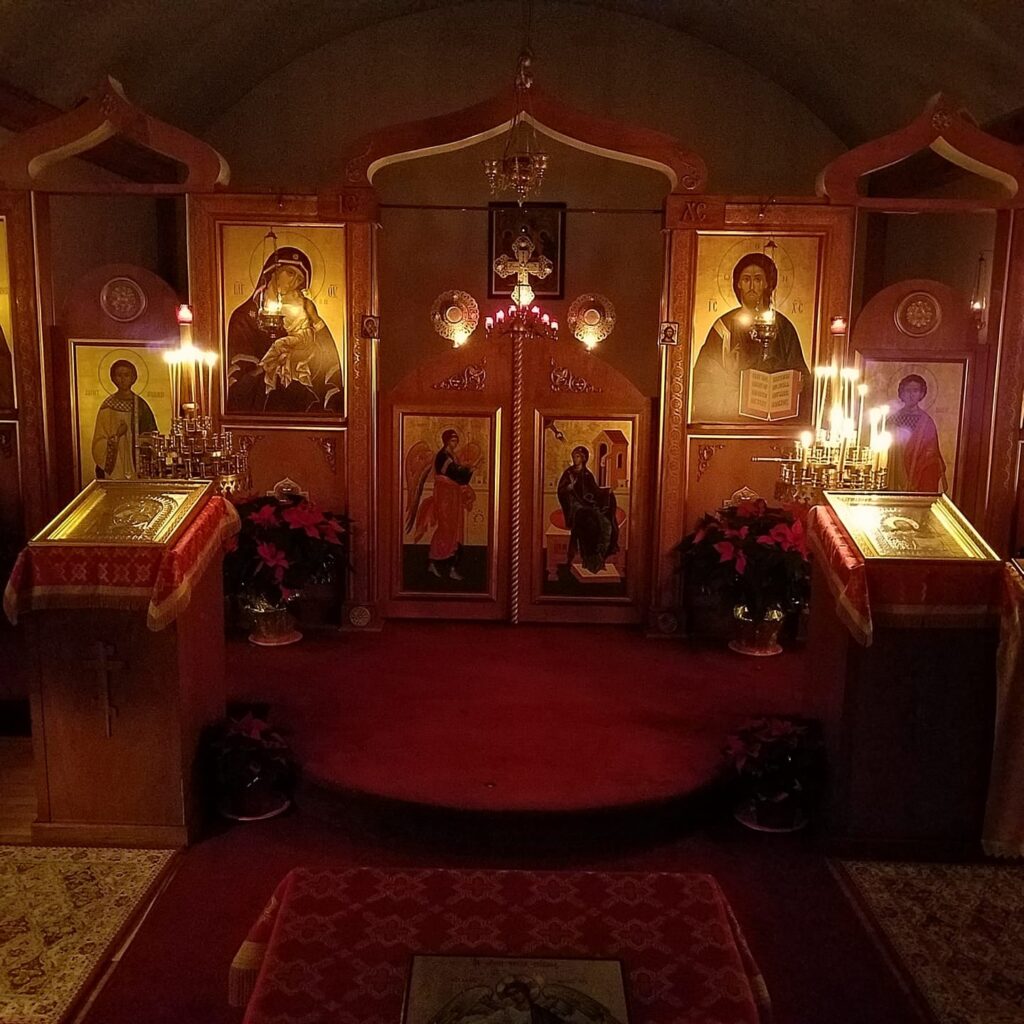
Perhaps the most compelling part of the conversation centered on the Orthodox understanding of watchfulness.
The Desert Fathers spoke of the importance of observing thoughts before becoming identified with them. Rather than allowing every impulse, emotion, or reaction to dictate behavior, the practitioner learns to cultivate awareness.
Watchfulness is not anxiety. It is vigilance. It is the capacity to see what is happening within oneself before reacting automatically.
“Watchfulness is the moment you see what is happening before you react to it.” —Fr Jonathan Ivanoff
In modern language, we might describe this as creating space between stimulus and response. Within that space lies freedom. The ability to pause, observe, and respond consciously rather than habitually is foundational to both spiritual development and psychological maturity.
This insight connects Orthodoxy with many other contemplative traditions. While the language may differ, the underlying principle remains remarkably similar: transformation begins when attention becomes stable enough to observe the movements of the mind without being ruled by them.
Forgiveness as a Path of Transformation
The conversation also explored forgiveness in a way that felt both practical and deeply challenging. Forgiveness is often presented as a moral virtue, but Father Jonathan Ivanoff described it as something more fundamental. It is a necessity for inner freedom.
The longer resentment is carried, the more it organizes perception. The ego becomes invested in maintaining the story of being wronged. Identity forms around grievance. What begins as a wound eventually becomes a structure through which experience itself is interpreted.
Forgiveness interrupts that process. This does not mean excusing harmful behavior or pretending pain did not occur. Rather, it means refusing to allow resentment to become the foundation of one’s identity.
“Forgiveness is not optional within a path of transformation. It is required if anything is to move forward.” —Father Jonathan Ivanoff
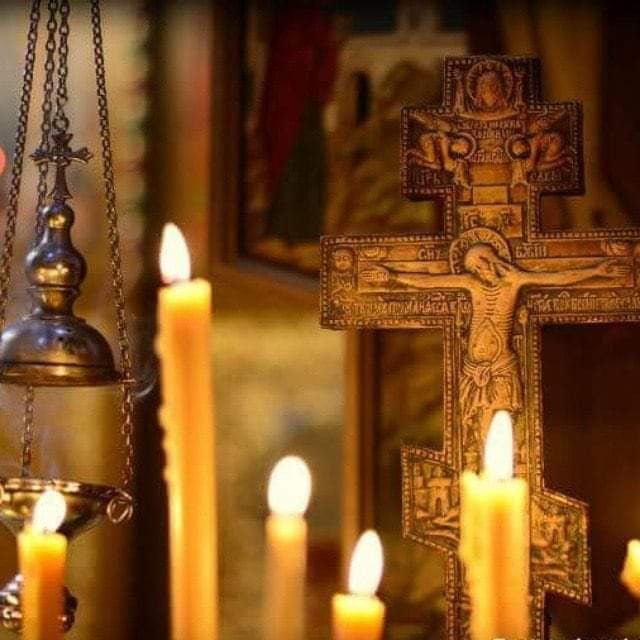
What remained with me after the conversation was the recognition that Orthodoxy ultimately asks something difficult of the modern mind. It asks for participation. Not observation. Not analysis. Not endless comparison. Participation.
And while that principle emerges here through the lens of Orthodox Christianity, it applies equally to contemplative practice, meditation, martial arts, and every genuine path of transformation. Understanding has value. But transformation begins when understanding becomes lived experience.
About the Guest
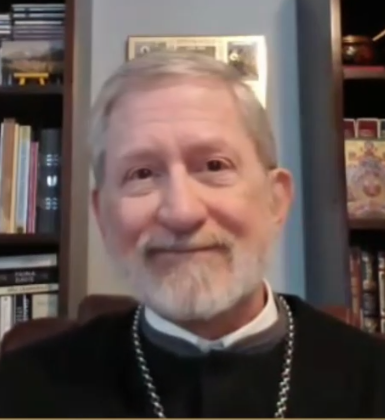
Father Jonathan Ivanoff is an Orthodox priest in the Orthodox Church in America (OCA) and has served as Rector of St. John the Theologian Church in Shirley, New York, since 1993. A graduate of St. Vladimir’s Orthodox Theological Seminary, he has devoted much of his ministry to parish development, evangelism, spiritual formation, and helping individuals cultivate a deeper engagement with the Orthodox Christian life. He has also served in leadership roles within the OCA’s evangelization and mission initiatives and has worked extensively with Orthodox Natural Church Development (ONCD) programs throughout North America.
In addition to his pastoral work, Father Jonathan is co-founder of The Transfigured Life podcast and YouTube channel, where he explores Orthodox spirituality, theology, culture, and contemporary issues through thoughtful conversation and teaching. His work emphasizes the integration of faith into daily life, encouraging believers to move beyond intellectual agreement toward embodied practice, watchfulness, forgiveness, and spiritual transformation.
Continue Exploring