Embodied practice and the structure of experience illustrating awareness, embodiment, continuity, and integration within the Inner Life developmental framework.

Embodied Practice and the Structure of Experience

mbodied Practice and the Structure of Experience explores how human beings reorganize themselves through practice. Discover the developmental foundations of Inner Life, including embodiment, awareness, continuity, entrainment, regulation, and integration, and learn why direct experience remains essential for lasting transformation.
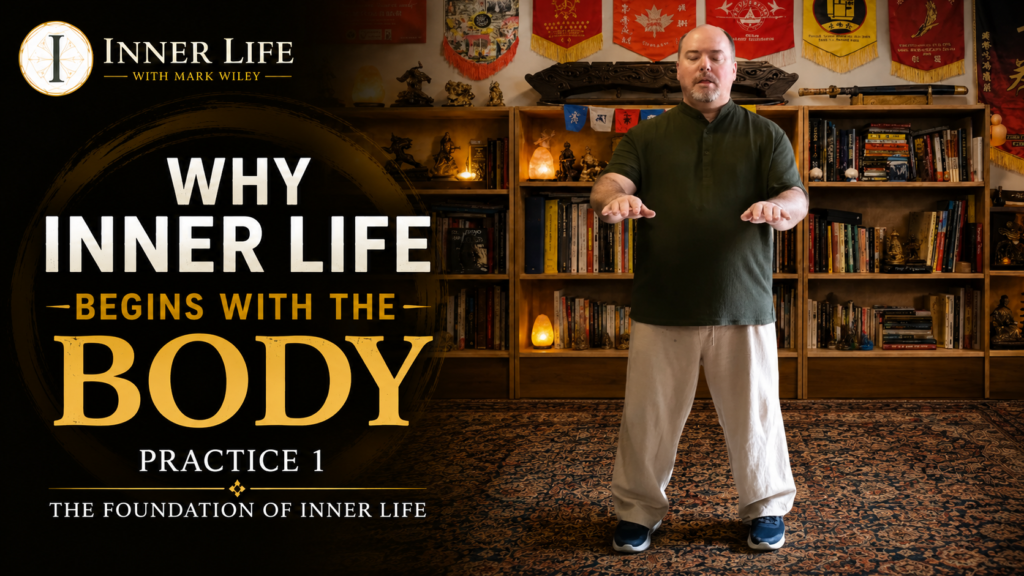
Mark Wiley demonstrates the foundational standing practice in Practice 1, explaining why inner life begins with the body through embodied awareness and stillness.

Practice 1 Returning to the Soma

Practice 1 restores sensory continuity through standing awareness, breath, sensation, and non-doing. Rather than attempting to change experience, the practitioner learns to remain present to it.

At first, the practice may feel simple. Even uneventful. Yet beneath that simplicity, important changes begin to occur. Body, breath, and attention gradually shift from functioning as separate processes toward operating as a more unified whole.

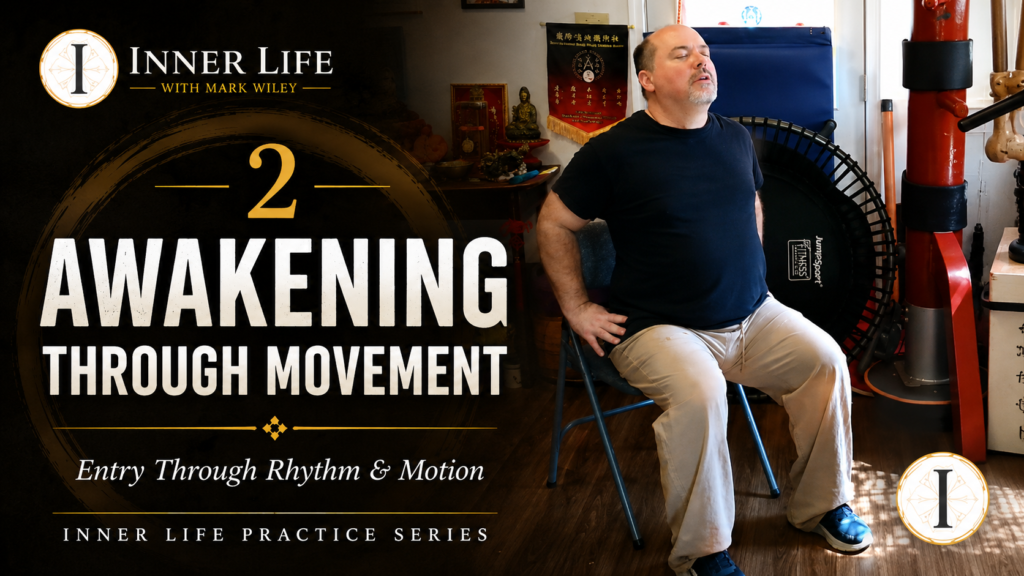
Awakening Through Movement Practice 2 with Mark V. Wiley demonstrating a seated embodiment exercise that develops rhythm, breath, movement, and continuity.

Practice 2 Awakening Through Movement

Having established continuity through stillness in Practice 1, Practice 2 introduces movement. Through breath, rhythm, and awareness, practitioners learn to remain present while moving and develop a more embodied relationship with action.

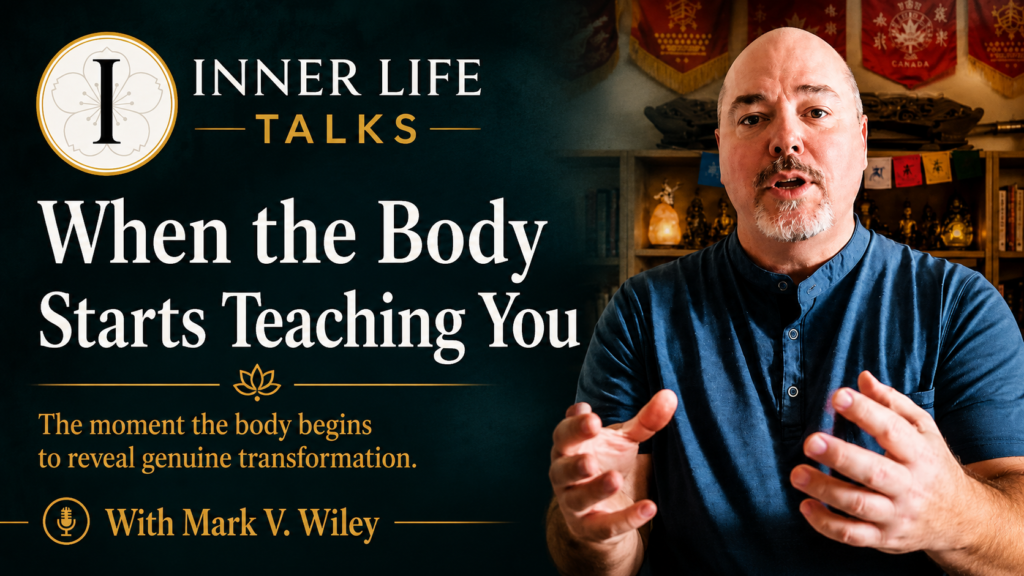
Mark V. Wiley in an Inner Life Talk discussing how the body becomes a teacher through years of embodied practice, attention, and lived transformation.

When the Body Starts Teaching You

Discover how the body becomes our greatest teacher through years of attentive practice, revealing perception, awareness, and genuine transformation.

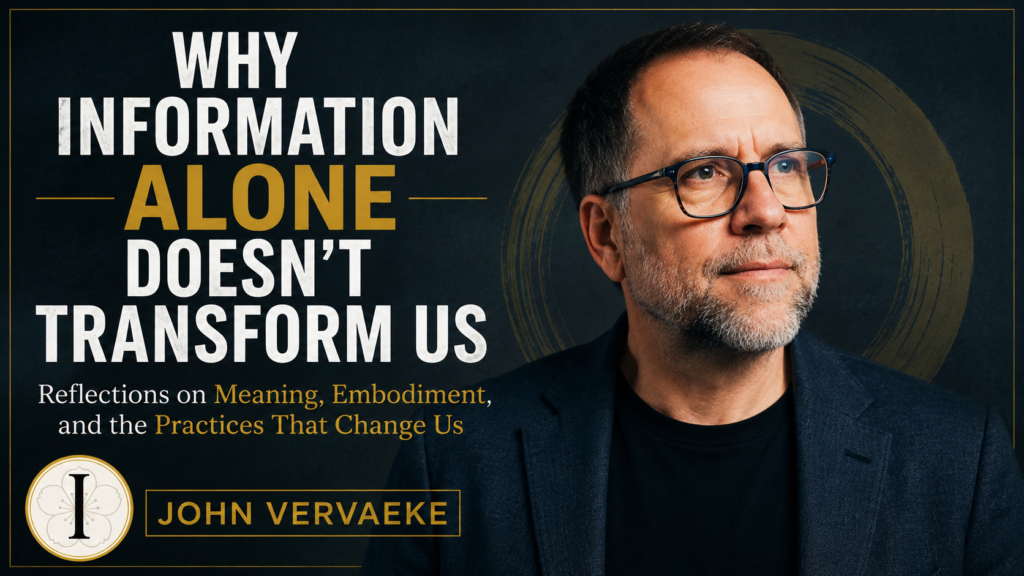
John Vervaeke discussing why information alone doesn't transform us and how meaning, embodiment, and practice cultivate human transformation.

Why Information Alone Doesn’t Transform Us

Information can expand our knowledge, but it rarely transforms our lives. In this Integral Being conversation, John Vervaeke explores meaning, embodiment, participatory knowing, and the practices that cultivate genuine human transformation.

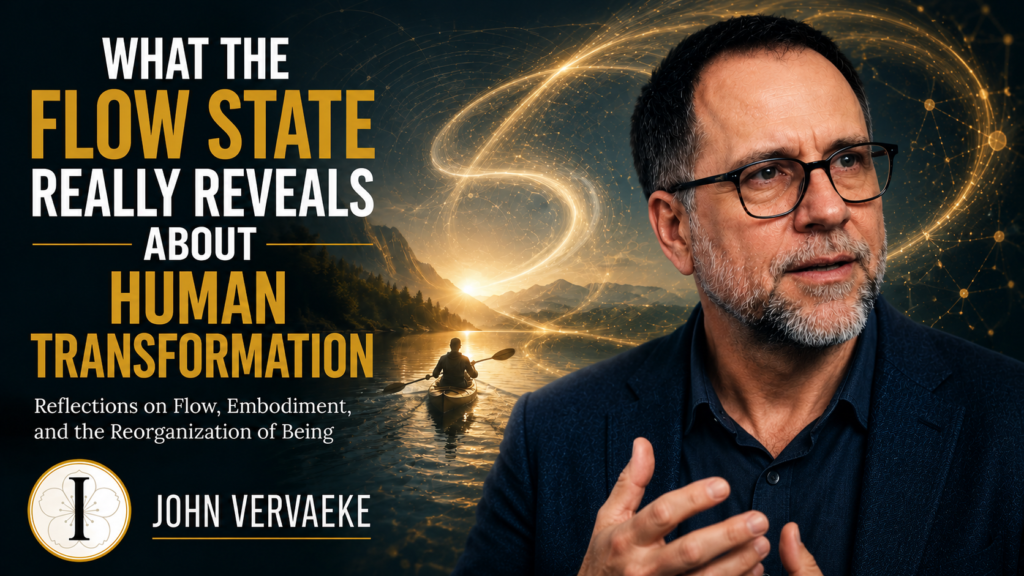
John Vervaeke with conceptual artwork illustrating the flow state, embodied cognition, and human transformation through practice.

The Flow State

The flow state is more than peak performance. Drawing on John Vervaeke’s research, this reflection explores how embodied practice reorganizes perception, awareness, and human transformation.

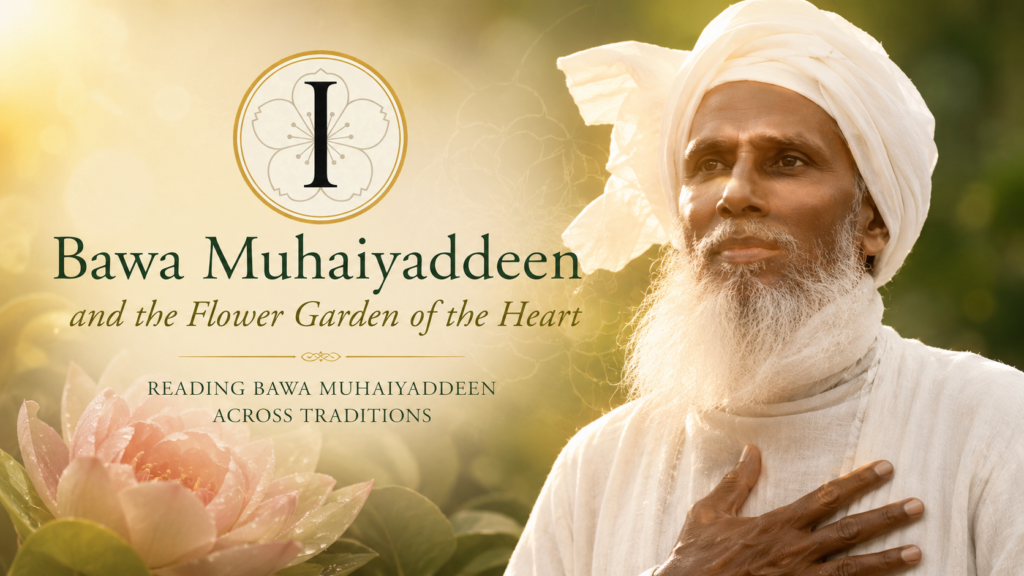
Featured image of Bawa Muhaiyaddeen with his hand over his heart, illustrating his teachings on the Flower Garden of the Heart and inner transformation.

Bawa – Flower Garden of the Heart

Bawa Muhaiyaddeen’s teachings reveal the heart as the true center of human transformation. Exploring images such as the flower garden, the supermarket of the mind, and Divine Analytic Wisdom, this reflection uncovers timeless insights shared across Sufism, Daoism, Buddhism, and other contemplative traditions.

Woman writing beside a lake at sunset, symbolizing recognition, contemplation, and the search for living truth before words arise.

The Soul Speaks Before We Have Words

Inspired by a conversation with Kythe Maryam Heller, this reflection explores recognition, direct experience, transformation, and the search for living truth.

Father Jonathan Ivanoff, Orthodox Archpriest, discusses faith as a way of life, watchfulness, forgiveness, and spiritual transformation in an Integral Being conversation with Mark V. Wiley.

When Belief Becomes a Way of Life

What if faith is not merely belief but a way of being? Fr. Jonathan Ivanoff explores watchfulness, forgiveness, and spiritual transformation.

My preference for the website page would be the third version. It connects directly to the episode’s central theme and is more compelling than a simple topic list.