
Who Am I?
Michael James explores Ramana Maharshi’s teaching of “Who am I?” and why self-investigation is not an intellectual question but a direct practice of turning attention toward its source.
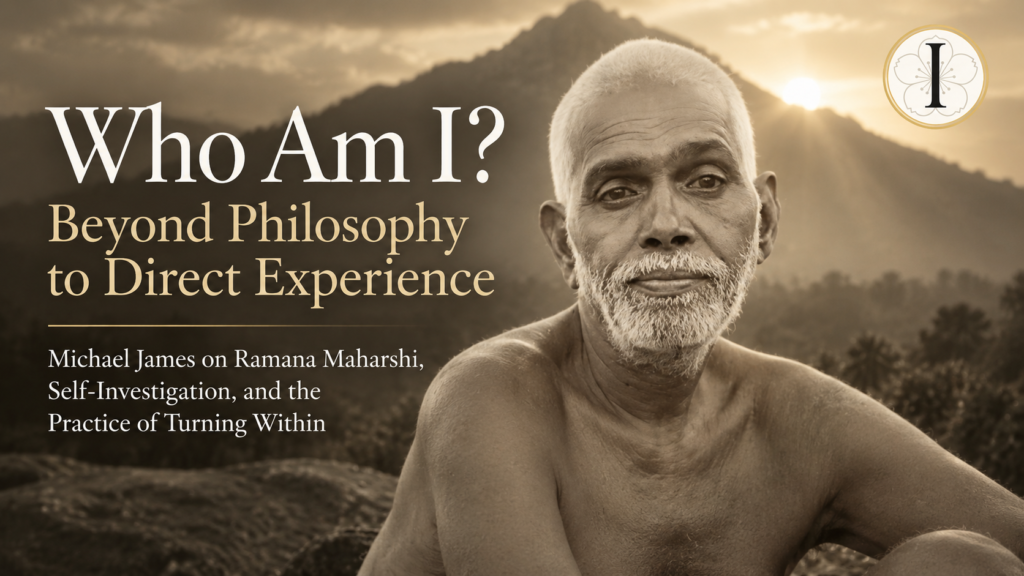
Michael James explores Ramana Maharshi’s teaching of “Who am I?” and why self-investigation is not an intellectual question but a direct practice of turning attention toward its source.
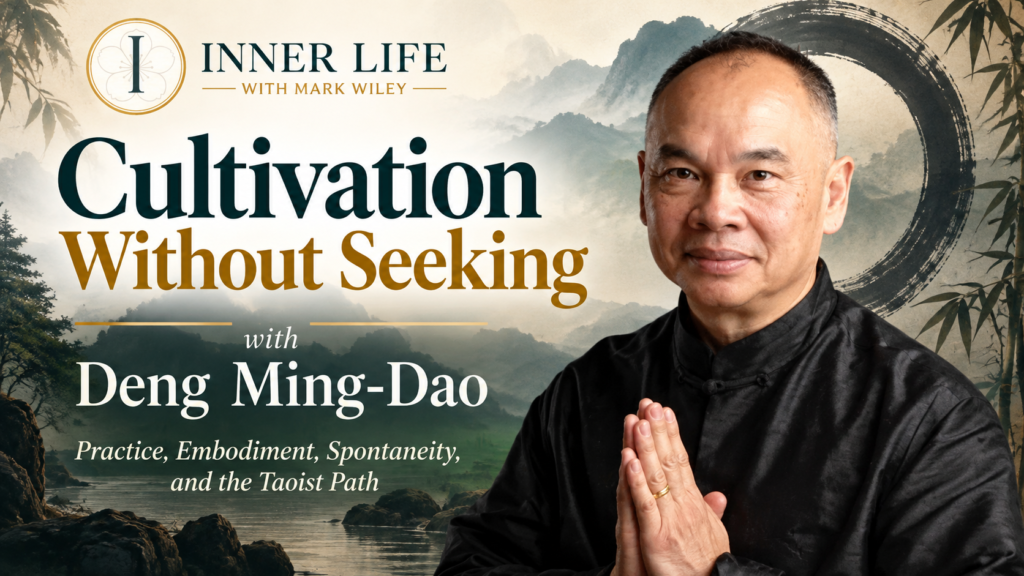
After fifty-one years of practice, Deng Ming-Dao reflects on Taoist cultivation, martial arts, meditation, spontaneity, and the gradual letting go of attainment. What remains is a path grounded in daily practice, embodiment, and participation in the Tao.
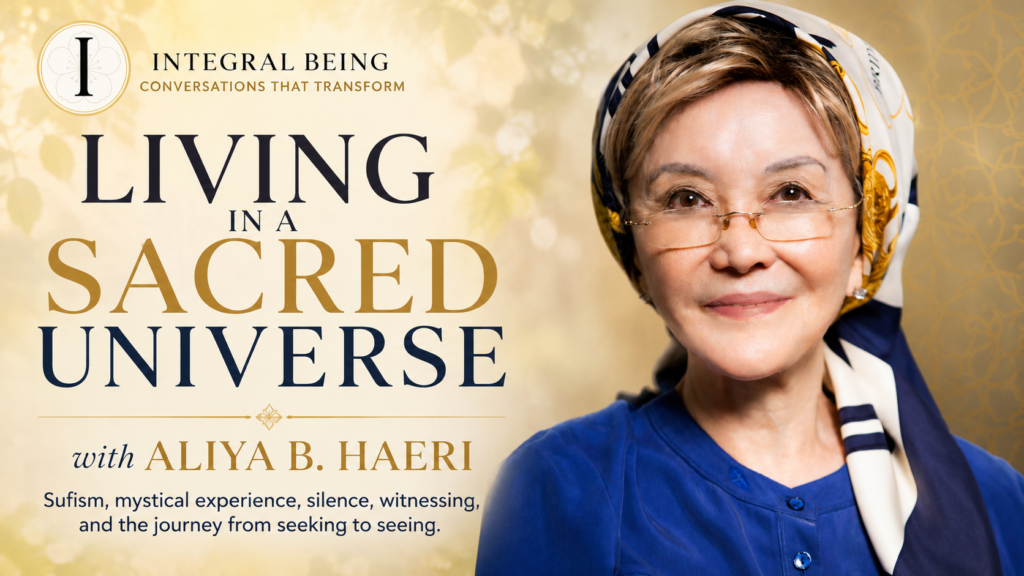
Psychologist, author, and Sufi teacher Aliya B. Haeri shares a lifetime of spiritual exploration, revealing how self-knowledge, consciousness, silence, and authentic practice lead to lasting inner transformation.
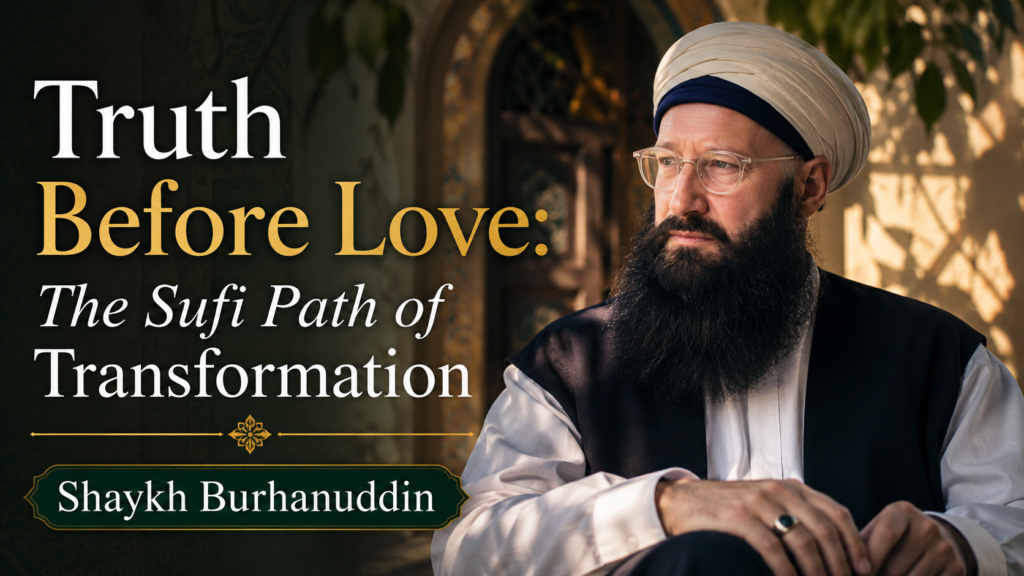
Shaykh Burhanuddin Herrmann explores why truth must come before love—and how suffering, responsibility, the body, and the heart become part of a lived Sufi path of transformation.
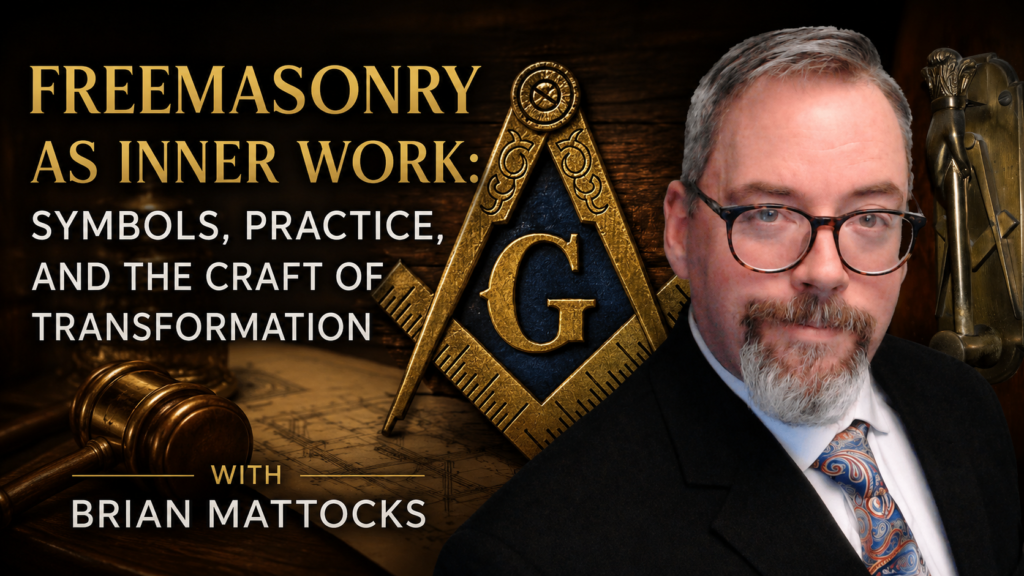
Brian Mattocks explores Freemasonry as a living practice of inner transformation, revealing how symbolic tools can reshape attention, behavior, and the way we meet life.
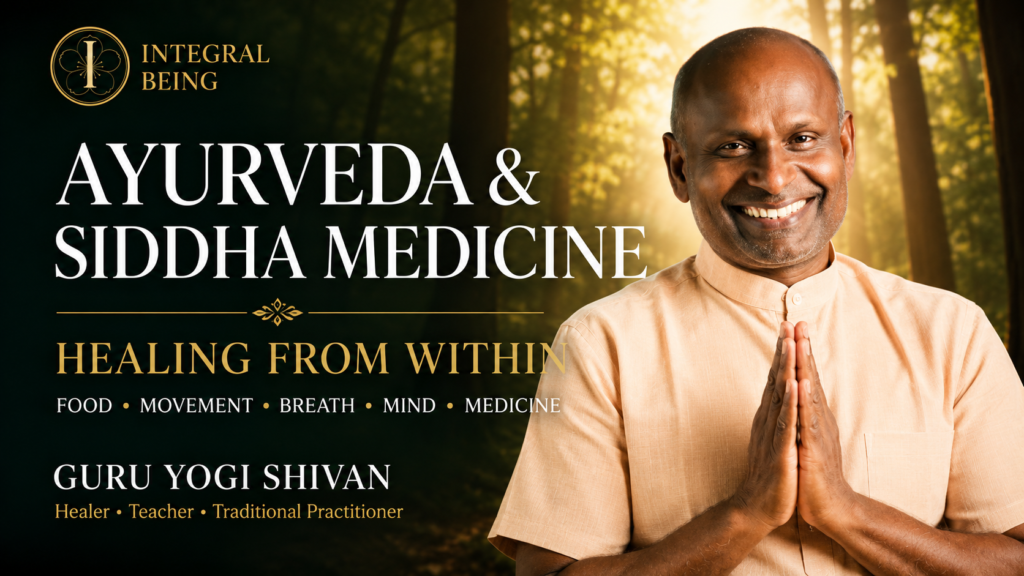
Guru Yogi Shivan explores Ayurveda and Siddha medicine as integrated traditions of health, revealing why food, movement, breath, mind, and medicine belong to a larger practice of healing from within.
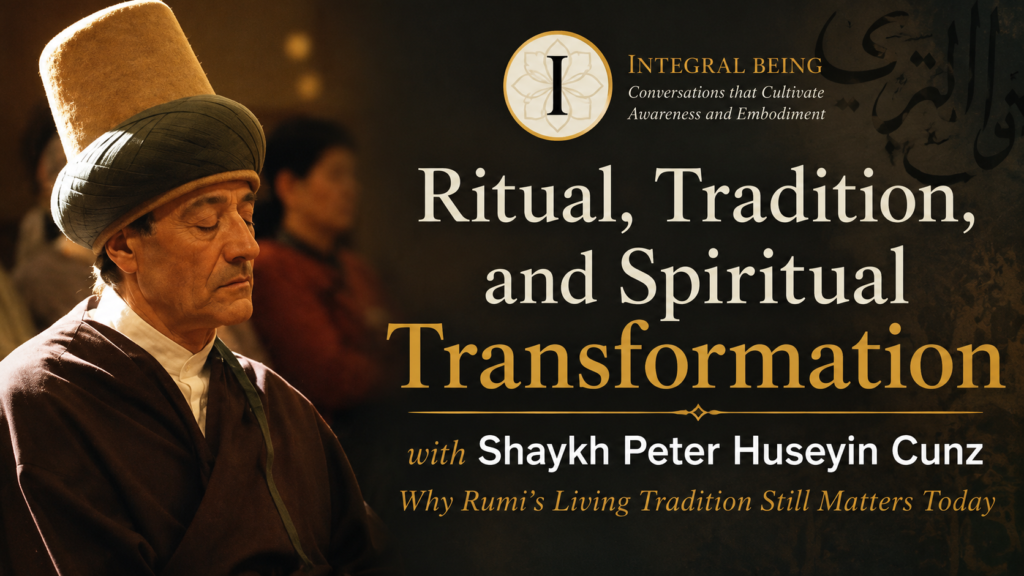
Shaykh Peter Huseyin Cunz explores why authentic spiritual transformation requires more than personal belief. Through the Mevlevi tradition of Rumi, he explains ritual, embodiment, guidance, surrender, and the living path of awakening.
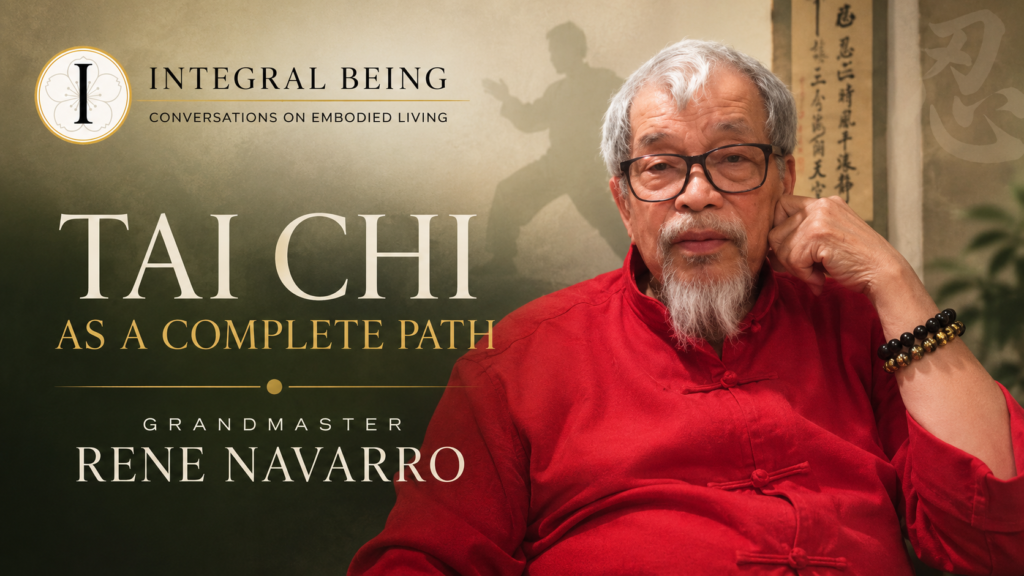
For more than sixty years, Rene Navarro has explored Tai Chi as far more than movement or exercise. In this Integral Being conversation, he shares the traditional art as a complete path of embodied cultivation—where posture, breath, awareness, philosophy, and internal development gradually become one integrated practice.
Swami Kripananda shares how decades of disciplined yoga transformed addiction into awakening, revealing why authentic practice is less about extraordinary experiences and more about silence, presence, and grace.