Why Information Alone Doesn’t Transform Us
with Dr. John Vervaeke
How embodiment, participation, and lived practice help resolve the modern meaning crisis.
Can information alone transform a human being? Cognitive scientist John Vervaeke explores the meaning crisis, embodied cognition, and the ecology of practices that cultivate wisdom, presence, and genuine human transformation.
We live in an age of unprecedented access to information. Books, podcasts, videos, and courses have placed the accumulated knowledge of humanity within reach of almost anyone. Yet despite this abundance of information, many people feel increasingly disconnected—from themselves, from one another, and from any enduring sense of meaning. The problem, as cognitive scientist John Vervaeke argues, is not that we know too little. It is that information alone cannot transform the human being.
Our conversation explored what Vervaeke has called the meaning crisis, but not merely as a cultural or philosophical problem. Rather, it is a crisis in how we perceive, participate in, and ultimately relate to reality itself. His work draws together philosophy, cognitive science, contemplative traditions, psychology, and embodied practice to ask a profoundly practical question:
How does a human being actually change?
That question lies at the heart of Inner Life as well.
The Crisis Is Not a Lack of Information
Modern education has become extraordinarily successful at teaching us how to think about the world. We learn concepts, theories, models, and methods. We become increasingly capable of analyzing information, solving problems, and organizing knowledge. These abilities are invaluable, yet they often leave untouched the deeper structures through which we experience life.
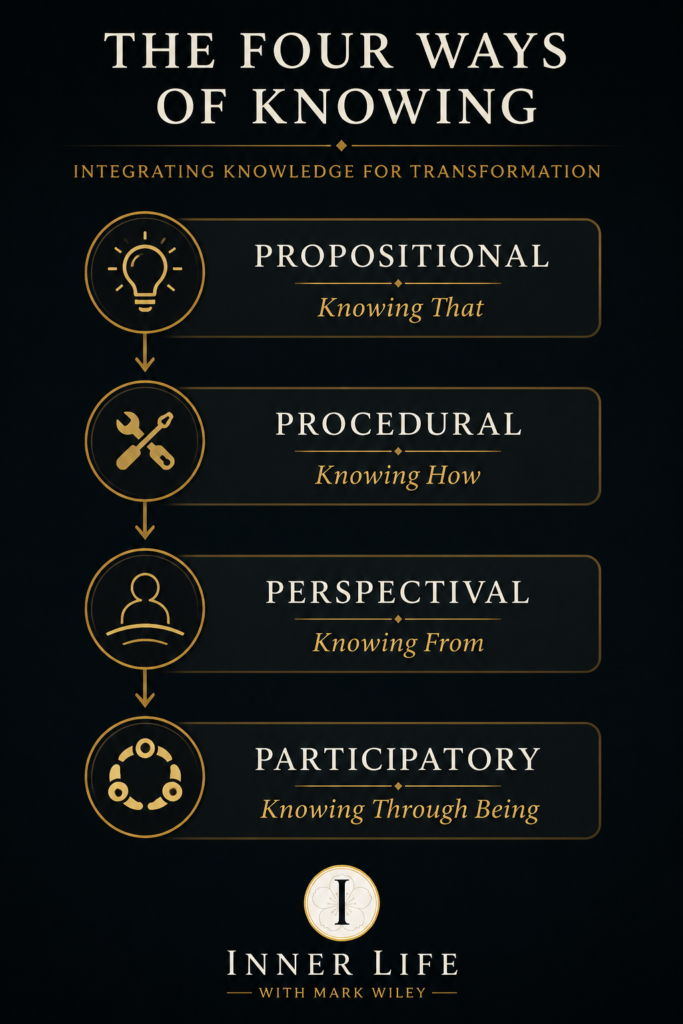
Vervaeke argues that human knowing is not limited to facts. Instead, wisdom emerges through four complementary ways of knowing that deepen our relationship with reality.
As Vervaeke explains, modern culture has gradually reduced knowledge to propositions—facts that can be communicated, measured, stored, and verified. While this kind of knowing is essential, it represents only one aspect of human intelligence. We also know through action, through perception, through relationship, and through participation. These forms of knowing cannot be reduced to information because they change the one who is knowing.
This distinction resonates deeply with my own experience after decades of martial arts training and contemplative practice. The purpose of authentic practice has never been simply to accumulate more knowledge. Its purpose is to reorganize attention, perception, and embodiment so that reality itself begins to appear differently. The goal is not simply to think more clearly. The goal is to become a different kind of practitioner.
“Meaning is not something we possess. It is something we participate in.” —Dr. John Vervaeke
Meaning Must Be Lived
One of the most illuminating insights from our conversation was Vervaeke’s observation that meaning is not something we possess. It is something we participate in. That simple distinction changes the entire conversation.
Many people search for meaning as though it were an object waiting to be discovered—a career, a relationship, a belief system, or some future achievement that will finally complete them. Yet genuine meaning does not arise from possession. It emerges through participation. As we become more deeply engaged with reality, more attentive to our experience, and more responsive to life itself, meaning begins to reveal itself naturally.
This helps explain why the world’s wisdom traditions consistently emphasize practice rather than explanation. Meditation does not merely teach us about awareness. Tai Chi does not simply teach choreography. Prayer is not merely a collection of ideas directed toward the divine. Authentic practice changes the practitioner. Through repeated participation, our relationship with ourselves and the world gradually begins to shift.
Practice Changes the Practitioner
Throughout our discussion, Vervaeke repeatedly returned to embodied disciplines such as meditation and Tai Chi. These practices are valuable not because they produce unusual experiences but because they cultivate new ways of perceiving. Over time, attention becomes steadier, awareness becomes more refined, and the rigid separation between observer and experience begins to soften.
Many beginners mistakenly believe the purpose of practice is to acquire extraordinary states or mystical experiences. While such experiences may occur, they are not the destination. The deeper work is quieter and far more enduring. Practice gradually reorganizes the nervous system, refines perception, and develops a greater capacity for presence. Eventually, practice is no longer something we do for an hour each day. It becomes the manner in which we inhabit the world.
This insight mirrors something I have witnessed repeatedly in conversations with masters from many traditions. Whether speaking with Tai Chi teachers, Orthodox priests, Sufi shaykhs, Daoist scholars, or contemplative psychologists, the conclusion remains remarkably consistent. Lasting transformation arises not through isolated experiences but through sustained participation in practices that reshape the whole person.
“Practice is not merely something we do. It gradually becomes the way we perceive.” —Dr. John Vervaeke
Beyond Self-Improvement
This conversation also reinforced an important distinction that has become central to the Inner Life framework: self-improvement and transformation are not the same.
Self-improvement asks how we can become more successful, more efficient, healthier, or more capable. These are worthwhile goals. Transformation asks a different question altogether. It asks whether the very structure through which we perceive ourselves and reality can change. Rather than improving the self we already know, genuine transformation reorganizes the one who is doing the improving.
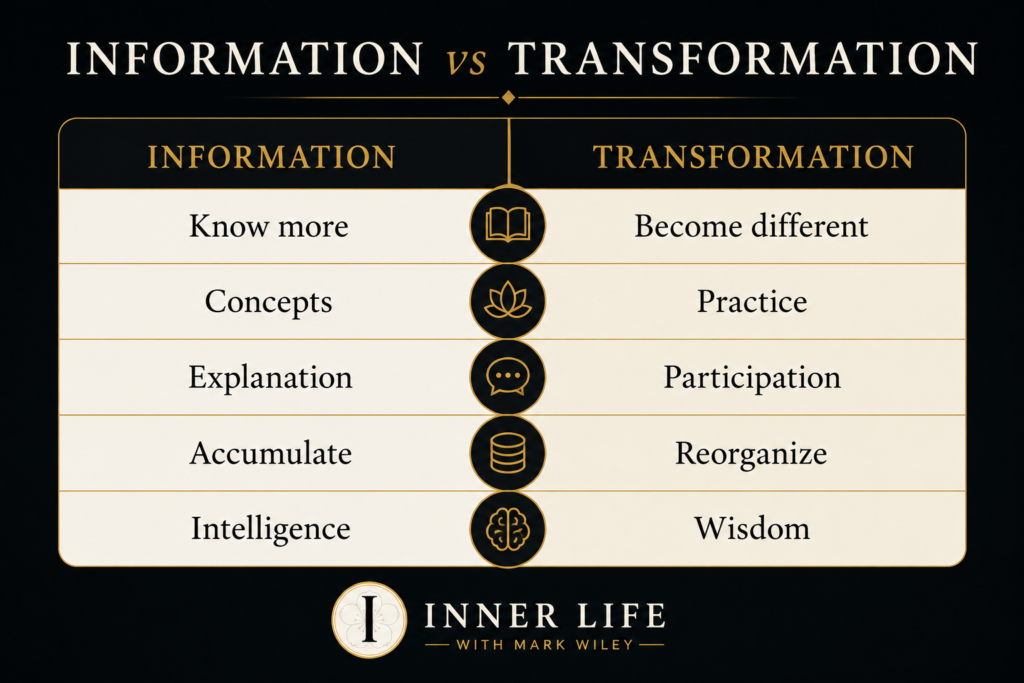
John Vervaeke distinguishes information from transformation. Information increases what we know; transformation changes how we perceive, participate in reality, and ultimately who we become.
“Rather than trying to control life more effectively, we gradually learn to participate in it more fully.” —Dr. John Vervaeke
This is where Vervaeke’s work intersects beautifully with the wisdom traditions. Genuine practice is not primarily concerned with acquiring more techniques or collecting more experiences. Instead, it invites us into a different mode of being. Rather than attempting to control life more effectively, we gradually learn to participate in it more fully. Rather than defending our existing identity, we become increasingly willing to let that identity mature and reorganize itself.
An Ecology of Practices
Another idea that deeply resonated with me was Vervaeke’s description of an “ecology of practices.” No single practice is sufficient because human beings are not composed of isolated parts. Meditation develops attention. Movement cultivates embodiment. Dialogue refines understanding. Reflection deepens insight. Ethical living stabilizes character. Each practice supports and strengthens the others.
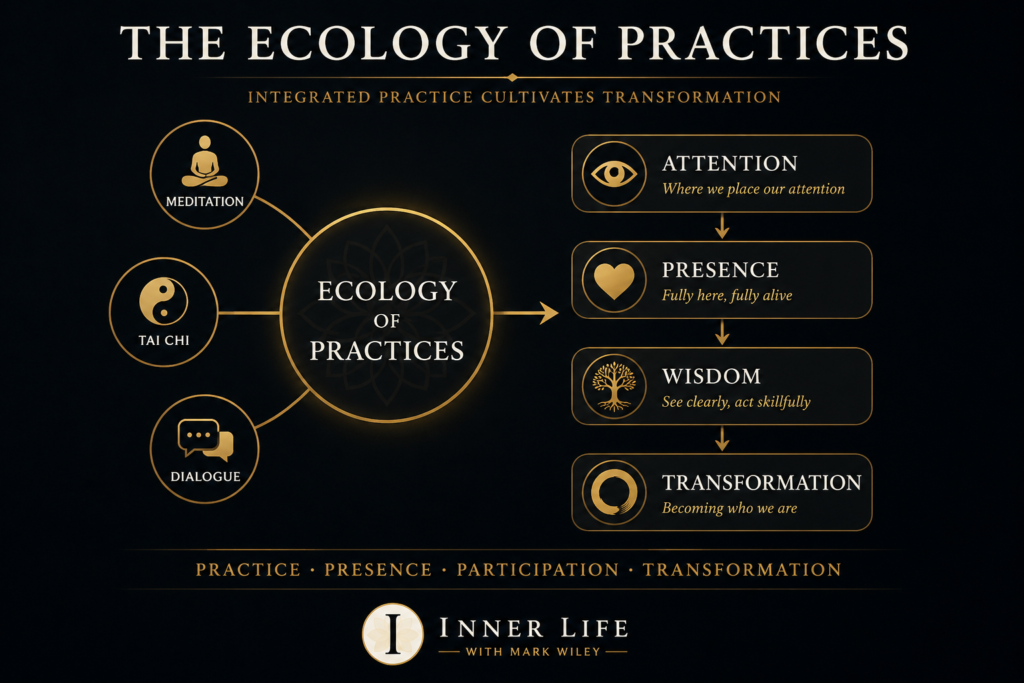
an ecology of mutually reinforcing disciplines.
This is remarkably similar to how I have approached martial arts education and embodied internal practices throughout my career—aligning perfectly with Inner Life’s Integrated Modular Training methodology. Individual skills must eventually become integrated into a living system. Standing practice supports movement. Movement supports adaptability. Adaptability supports responsiveness. Responsiveness becomes organized expression. Growth emerges through integration rather than accumulation.
When our practices begin supporting one another instead of remaining isolated techniques, they become something greater than the sum of their parts. They become a living ecology capable of transforming the practitioner from the inside out.
“No single practice transforms us. Transformation emerges through an ecology of practices.” —Dr. John Vervaeke
From Control to Participation
Perhaps the most profound insight from our conversation was Vervaeke’s observation that transformation cannot be engineered. It can only be participated in. That statement captures something I have encountered repeatedly over the years through my own practice and through conversations with remarkable teachers around the world.
We cannot manufacture wisdom through force. We cannot command insight through effort alone. We cannot engineer awakening through better techniques. What we can do is cultivate the conditions in which these qualities naturally emerge. We can refine our attention, deepen our embodiment, and remain available to the transformations that authentic practice makes possible.
In many ways, this may be the defining challenge of our age. We live in a culture that promises optimization, productivity, and constant improvement. Yet the deepest traditions remind us that human beings are not machines waiting to be upgraded. We are participants in a living reality that continually invites us into greater maturity, greater presence, and deeper relationship.
“Transformation cannot be engineered. It can only be participated in.” —Dr. John Vervaeke
Knowledge will always remain important. But information alone cannot transform us. Transformation begins when knowledge becomes lived experience, when attention becomes embodied awareness, and when practice ceases to be something we perform and becomes the way we inhabit the world. That, ultimately, is where meaning is found—not as something we possess, but as something we continually learn to participate in.
Explore Further
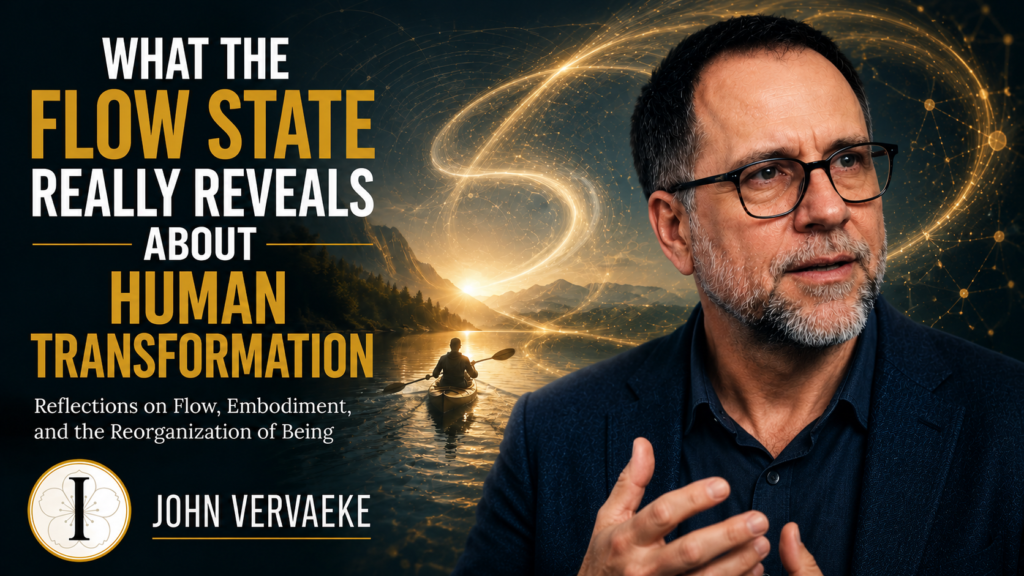
John Vervaeke’s research on the flow state reveals why peak performance is not the same as genuine transformation. Explore our companion Reflection examining what flow teaches about embodiment and the cultivation of wisdom.
Awakening from the Meaning Crisis is John Vervaeke’s landmark work on the meaning crisis, wisdom, embodied cognition, and the cultivation of human transformation.
From the book: “After unknown thousands of years of faith in the inherent meaning in and of life, since the scientific revolution and the Enlightenment, a dark wave of nihilism has washed across our global village. We’ve mistaken part of life’s complex experience, the problems, and waved away the greater emergent whole of their meaning.” —Awakening from the Meaning Crisis
About the Guest
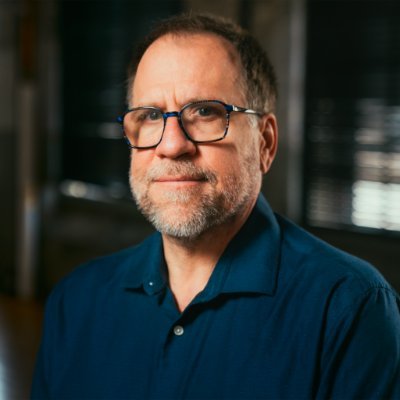
John Vervaeke, Ph.D., is a cognitive scientist, philosopher, and Associate Professor of Psychology at the University of Toronto. His research explores cognition, consciousness, wisdom, and the cultivation of meaning, bringing together cognitive science, philosophy, contemplative traditions, and psychology. He is especially known for his work on 4E cognition—the view that the mind is embodied, embedded, enacted, and extended—and for his research into how human beings develop wisdom and transform through practice.
Beyond academia, Vervaeke is widely recognized for his acclaimed lecture series Awakening from the Meaning Crisis, which has introduced thousands of people to the intersections of philosophy, cognitive science, meditation, and embodied practice. Through his teaching, writing, and public dialogues, he invites people to move beyond the accumulation of information toward practices that cultivate wisdom, deepen participation in reality, and foster genuine human transformation.
Continue Exploring This Theme