
When Practice Becomes Goalless
The Maturity of the Path
by Mark V. Wiley
The Beginning of the Path
At the beginning of any path, goals are necessary. They provide direction, organize effort, and help the practitioner measure progress. Without them, training can become vague, inconsistent, or disconnected from lived experience. A martial artist may train to improve skill. A meditator may seek calm or insight. A contemplative practitioner may long for awakening or transformation. In the early stages, such motivations are not wrong. They are often essential.
Yet if one practices long enough—and sincerely enough—something unexpected frequently occurs. The relationship to goals begins to change. What once motivated the practitioner—the desire to improve, to achieve, to arrive somewhere—gradually recedes into the background. Practice itself begins to occupy the center.
This marks an important threshold in development. It is not the abandonment of discipline, nor the rejection of growth. Rather, it reflects a deepening relationship to practice itself. Within the broader framework of Inner Life, this shift often emerges when practice moves from external structure into lived integration. What initially feels like “doing a practice” gradually becomes a different way of inhabiting experience altogether.
“What begins as method becomes perception. What begins as practice becomes a way of being.” —Mark V. Wiley
The Zen Perspective
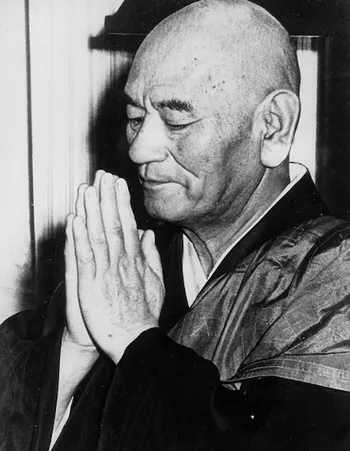
The Zen tradition has long warned that the deepest dimensions of cultivation cannot be approached through grasping or achievement-oriented striving. Zen master Taisen Deshimaru expressed this succinctly:
The Martial Parallel
This insight is not limited to Zen. Traditional martial arts express the same understanding through different language. In early training, students often focus on concrete accomplishments:
demonstrating proficiency | learning techniques | improving speed or power | earning rank | winning competition
These goals serve an important purpose. They help stabilize attention and build foundational capacity. But over time, deeper qualities begin to matter more: timing, sensitivity, structural continuity, adaptability, relational awareness, and spontaneity under pressure. These qualities cannot be acquired merely through force of will. They emerge through sustained embodied practice.
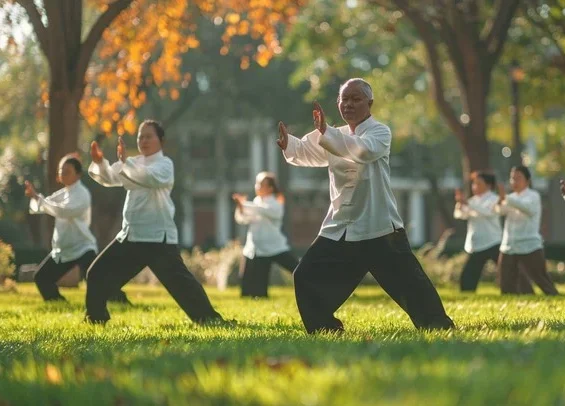
A seasoned practitioner no longer calculates every movement intellectually. Action begins arising directly from integrated training.
Practice as Life
This is often the beginning of mature practice. The practitioner still trains diligently—sometimes with even greater discipline than before—but the emotional texture of effort changes. Practice is no longer driven primarily by acquisition or identity-building. The practitioner trains because practice itself has become meaningful.
The runner runs. The meditator sits. The martial artist trains. The musician plays.
Not merely to become something else, but because the path itself has become life.
“The beginner practices to achieve something. The mature practitioner practices because the path itself
has become life.” —Mark V. Wiley
This stage is sometimes misunderstood by modern culture, which tends to frame all activity in terms of measurable achievement, productivity, optimization, or external reward. From that perspective, goalless practice can appear passive or directionless. In reality, it often reflects a deeper form of commitment.
The practitioner continues without constant validation. Without dramatic experiences. Without needing every session to produce visible progress. This requires patience, restraint, and the willingness to continue even when no obvious reward is immediately present.
Cultivation Without Striving
In many traditions, what begins as disciplined effort eventually enters a quieter phase—what might be called when practice becomes goalless. Many traditions point toward this same realization in different ways. Daoist traditions speak of alignment with the natural unfolding of things. Zen speaks of non-grasping and direct presence. Internal martial traditions describe action emerging without excessive conscious interference. Contemplative traditions speak of surrendering the compulsive activity of the self. Different languages and symbols often point toward the same underlying movement.
In many disciplines, the deepest refinement begins to appear effortless—not because effort disappears, but because fragmentation decreases.
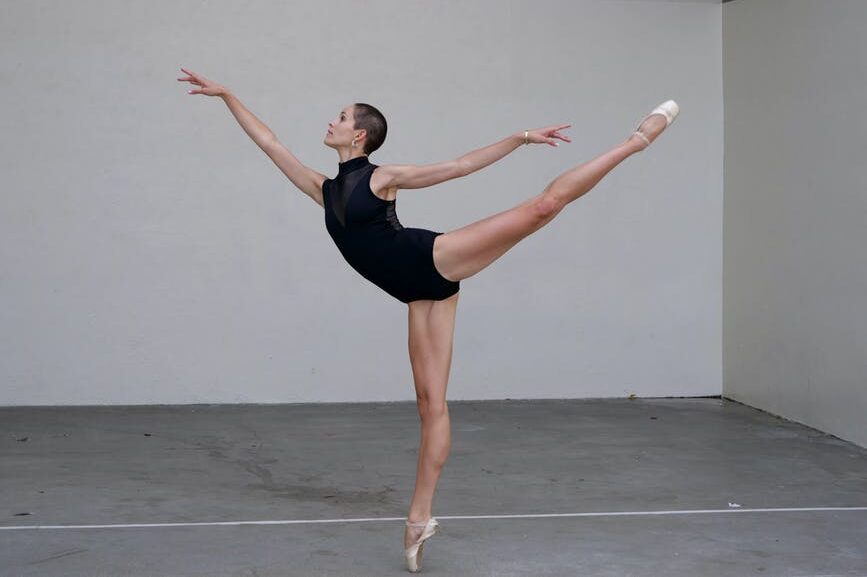
This reflects one of the deeper insights underlying the broader Inner Life ecosystem: genuine transformation does not occur through isolated techniques alone, but through sustained participation in practices that gradually reorganize the human being.
“The goal is never merely improvement. It is integration.” —Mark V. Wiley
The Way Walks Itself
Eventually, even the desire for transformation softens. Practice continues. Breath continues. Life continues. But the constant pressure to become someone else begins falling away.
Perhaps this is why mature practitioners across traditions often appear quieter than beginners. Less theatrical. Less urgent. Less concerned with proving attainment. Something has settled—not because the journey ended, but because the struggle to arrive somewhere has begun to dissolve.
And when that happens…
Practice no longer feels like a means to life.
It is no longer something one does.
It becomes the manner in which life is lived.
Eventually, practice ceases to feel separate from living itself.
Continue Exploring Transformative Practice