
Perception Is Interpretation
How Belief, Memory, and Conditioning Shape Reality
by Mark V. Wiley
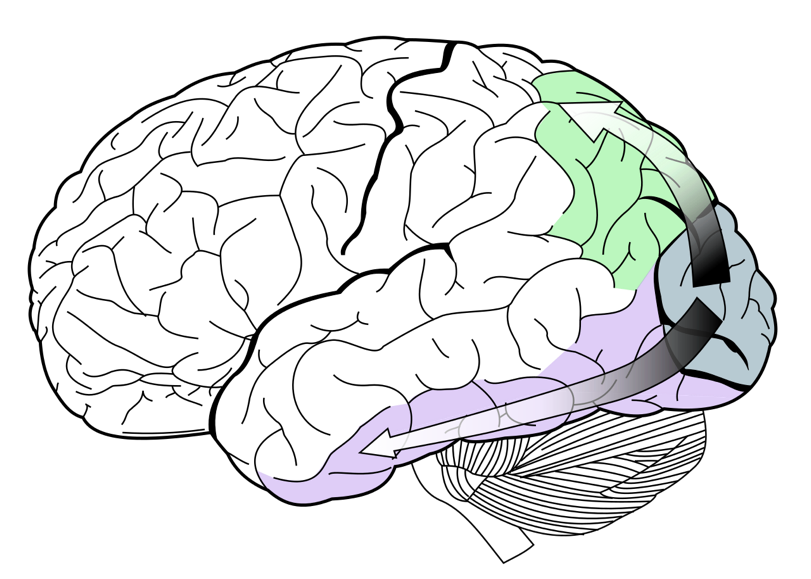
We tend to assume that reality is something we encounter directly. We open our eyes, hear sounds, feel sensations, and trust that the world appearing before us is largely the world as it is. Yet modern physics, neuroscience, psychology, and contemplative traditions increasingly point toward a different possibility. What we experience may not be reality itself, but a constructed experience assembled from sensory information, memory, belief, expectation, and conditioning. The world we inhabit is not simply perceived. It is continuously interpreted.
This question emerged repeatedly during my conversation with Mike Faff. Beneath discussions of perception, memory, pain, belief, and hypnosis lay a deeper challenge: if interpretation shapes experience, how much of what we call reality is actually a reflection of the lens through which we perceive it?
At its core, the insight explored throughout this reflection is simple: perception is interpretation. What we experience as reality is shaped by memory, belief, conditioning, and expectation.

The Illusion of Direct Perception
Most of us place enormous trust in our senses. We assume that sight reveals objects, hearing reveals sounds, and touch reveals the physical world exactly as it exists. Yet neuroscience, psychology, and contemplative traditions increasingly point toward a different conclusion. The senses gather information, but meaning emerges only through interpretation. What we experience is not reality itself but a model of reality created by the nervous system and filtered through previous experience. The world we perceive is therefore inseparable from the mechanisms through which perception occurs.
Recognizing this does not diminish suffering. Rather, it reveals that experience is always mediated. We do not encounter reality in its raw form. We encounter reality as interpreted through the structures that shape perception. This insight carries profound implications for personal development because it suggests that meaningful change involves more than altering external circumstances. It requires examining the lens through which those circumstances are experienced.
How Beliefs Shape Experience
Beliefs are often understood as ideas we consciously hold, but their influence runs far deeper than intellectual agreement. Beliefs guide attention itself. They influence what we notice, what we ignore, and how we organize experience. They shape emotional responses, expectations, and judgments long before conscious reasoning enters the process.
A person who believes the world is hostile will tend to notice danger and threat. A person who believes the world is fundamentally supportive may notice opportunity and connection. Both are observing the same environment, yet each experiences a different reality because the lens of interpretation differs. The external circumstances may remain unchanged while the internal experience shifts dramatically.
“We do not have beliefs. Our beliefs shape what we experience as reality.” — Mike Faff
This perspective helps explain why individuals can witness the same event and arrive at radically different conclusions. The event itself may be shared, but the interpretation is not. What appears obvious to one person may be invisible to another because each is filtering experience through a different network of assumptions and expectations.
Why We Rarely See Others Clearly
The interpretive nature of perception becomes especially apparent in human relationships. We often assume that we are seeing another person objectively, yet much of what we perceive is influenced by memory, projection, emotional history, and expectation. In many cases, we are not relating to another person as they are but to a psychological image constructed from our previous experiences and assumptions.

Memory and the Construction of Self
One of the most intriguing aspects of Faff’s perspective concerns memory. We tend to think of memory as a reliable archive of the past, yet research suggests that memory is constantly reconstructed. Each act of remembering is influenced by present conditions, emotional states, and current beliefs. The past is not merely retrieved; it is reinterpreted.
A difficult memory recalled during a period of anxiety may feel darker and more threatening than it once did. A joyful memory revisited during a period of gratitude may appear richer and more meaningful. The events themselves have not changed, but the interpretive framework surrounding them has.
Conditioning and Transformation
“Belief is not changed by insight alone. It is reshaped through conditioning.” — Mike Faff
From this perspective, development is less about adopting better ideas and more about cultivating different ways of perceiving. The process is gradual, experiential, and embodied rather than merely conceptual.
Awareness as the Turning Point
As that awareness develops, perception becomes more flexible and less constrained by unconscious conditioning. Reality may not change, but our relationship to it does. The lens becomes visible, and in seeing the lens we gain the possibility of seeing more clearly.
“We do not see things as they are. We see them as we are.” — Mike Faff
The work, then, is not to eliminate interpretation but to understand it. Through that understanding, we may begin to encounter ourselves, others, and the world with greater clarity, greater humility, and less distortion.
Further Reading: For a scientific overview of how the brain processes visual information and constructs perception, see the Queensland Brain Institute’s introduction to visual perception
Continue Exploring