Walking as Embodied Mindfulness
How breath, attention, and movement restore continuity in everyday life
by Mark V. Wiley
Walking is something we do so often that we rarely experience it directly. We leave one room and enter another, cross a parking lot, or follow a familiar path while thinking about something else. Our feet carry us forward, but attention is occupied with a conversation, a memory, or the demands of the day. The body is walking while our experience is organized around another place and time.
Yet this ordinary movement offers a practical entry into embodied mindfulness. The contact of the feet, the shifting of weight, the movement of breathing, and our changing relationship with the ground are available with every step. Bringing attention into these relationships allows walking to become a practice of inhabiting ourselves more fully.
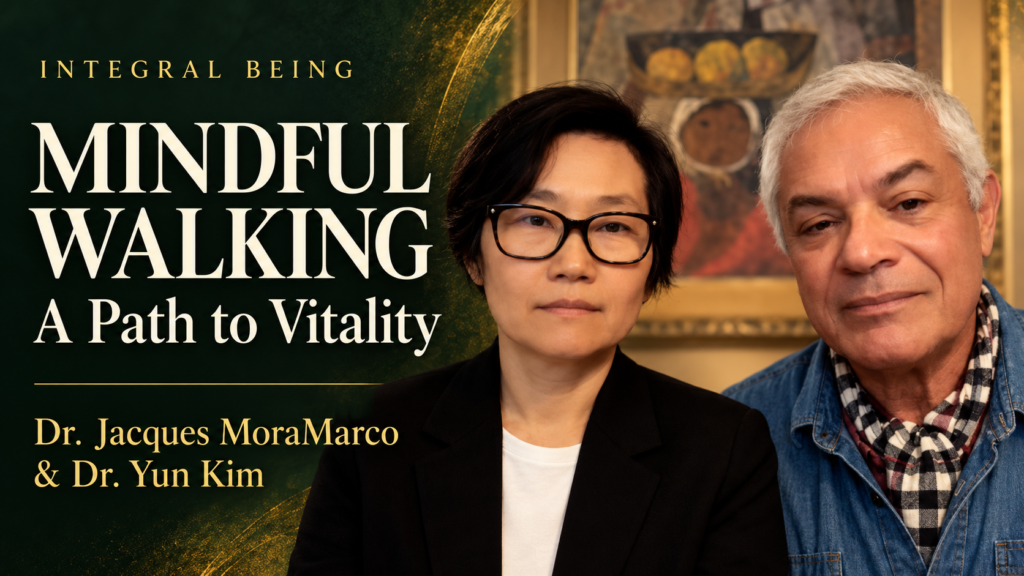
In my Integral Being conversation with Dr. Jacques MoraMarco and Dr. Yun Kim, authors of Walking Your Way to Vitality, we explored this possibility through mindfulness, breathwork, qigong, tai chi, and circular walking traditions. Throughout our discussion, a common principle emerged: the quality of participation matters as much as the movement itself. Within Inner Life, this opens a larger question about how something as familiar as walking can help fragmented experience become more continuous.
From Automatic Movement to Direct Experience
The familiarity of walking allows it to happen with little conscious attention. We do not need to calculate every step to move through the day, and this capacity serves us well. But familiarity can also conceal experience. We know that we are walking without feeling much of what walking involves.
Bringing attention into movement reveals details that ordinarily remain in the background. We begin noticing the changing pressure beneath the feet, the transfer of weight between the legs, and the relationship between the pelvis, spine, and head. Breathing, arm movement, and unnecessary muscular effort become easier to recognize. These sensations provide an immediate relationship with what is happening now.
As Dr. Kim explained during our conversation:
“We do it by anchoring our attention in the body, the breath, the feeling of our feet.”
This gives attention a direct point of return when it has become absorbed in memory or anticipation. The body becomes available as a living experience through which we participate in the present.
At first, this may feel like observing the body from a distance. We notice a foot touching down or a shoulder tightening, then mentally describe what we have noticed. With continued practice, sensing can become more closely joined with movement. We begin feeling the step as it unfolds, with less need to stand apart from it and explain it to ourselves.
Why Slowing Down Reveals So Much
During our conversation, I recalled a lesson from my martial arts training. My teacher would ask me to perform a familiar combination very slowly, although I wanted to move faster. The sequence was already known, and speed made it feel fluent. Slowing down exposed relationships that speed had concealed.
The range was inaccurate, one joint moved before another was ready, and attention anticipated the next action before the present movement had finished. Something similar happens in walking. When we move quickly through a familiar pattern, we may overlook how abruptly we transfer weight, how much we brace, or how often attention runs ahead of the body.
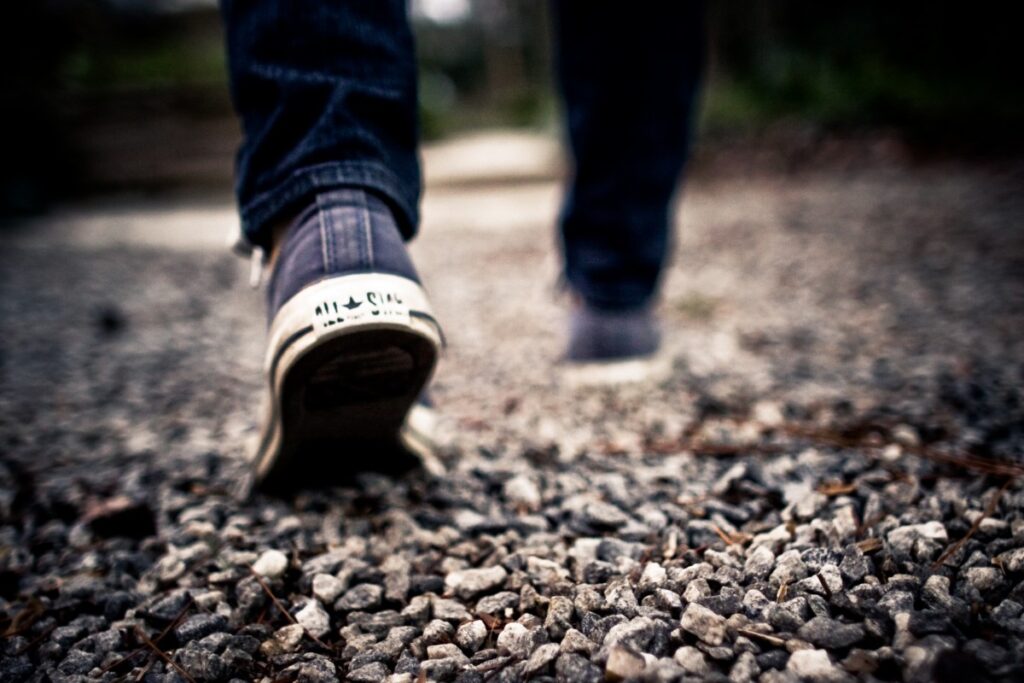
A slightly slower pace makes these relationships easier to perceive. We have time to feel the supporting leg, recognize the movement of the other foot, and experience the transition between them. We may also discover impatience before the step is complete. The mind wants to finish the movement, complete the walk, or arrive somewhere else.
This impatience is part of what practice reveals. Recognizing it allows us to return to the movement already occurring without turning the walk into another exercise in self-judgment. The useful pace is one at which we can remain comfortable, attentive, and responsive. Moving extremely slowly may introduce strain, so the emphasis remains on having enough time to feel how the movement is organized.
Breath, Movement, and Intention
One of the recurring themes in our discussion was the relationship among breath, movement, and intention. These are often taught as separate subjects through breathing exercises, movement sequences, and methods of directing attention. Coordinating them can initially feel like managing several tasks at once. Walking provides a familiar setting in which their relationships can be explored together.
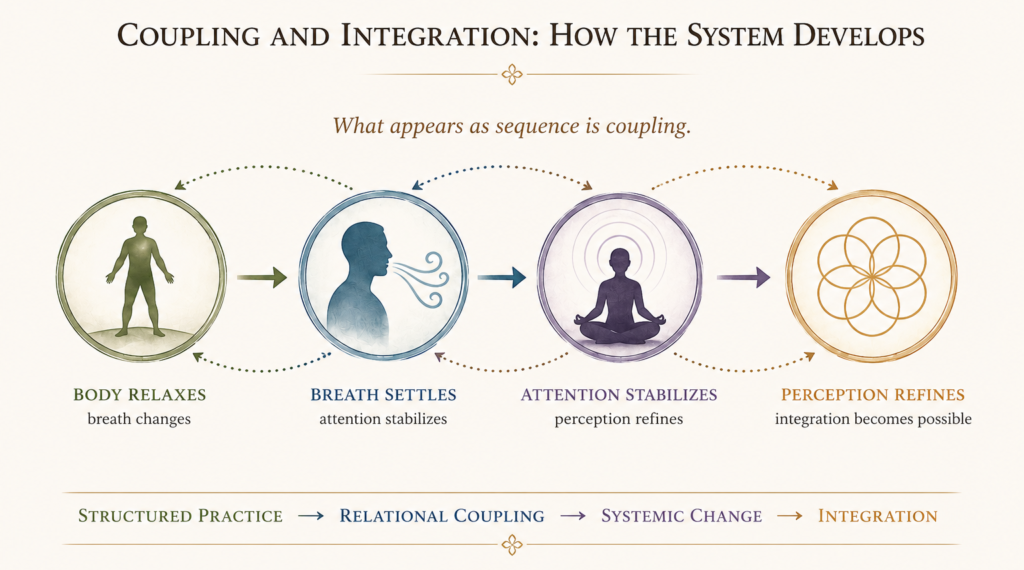
Movement has rhythm, breathing has rhythm, and attention can recognize both. MoraMarco and Kim describe specific walking methods that use deliberate breathing patterns and step counts to keep attention engaged. Remembering the pattern gives the mind a clear task within the activity. As the pattern becomes familiar, its elements can begin functioning with greater continuity.
A simpler beginning is also available through feeling the steps while allowing breathing to remain natural. We can notice whether the breath becomes restricted when we concentrate or whether the shoulders tighten when we try to walk correctly. We can also discover whether a more comfortable pace allows breathing and movement to accompany one another more easily. These observations reveal the quality of participation already present.
Within Inner Life, this connects directly with the foundational conditions of structure, breath, attention, and release. Structure provides support, while breath reveals something about the quality of effort. Attention makes these relationships perceptible, and release allows unnecessary holding to soften. Walking gives us a place to experience how these conditions influence one another within the same activity.
Balance Is a Changing Relationship
We often imagine balance as the ability to hold ourselves steady in one position. Walking reveals another dimension because balance must remain available while support changes. Weight moves, one foot becomes lighter, and the other receives more of the body. The ground, direction, and distance continually influence how the next step occurs.
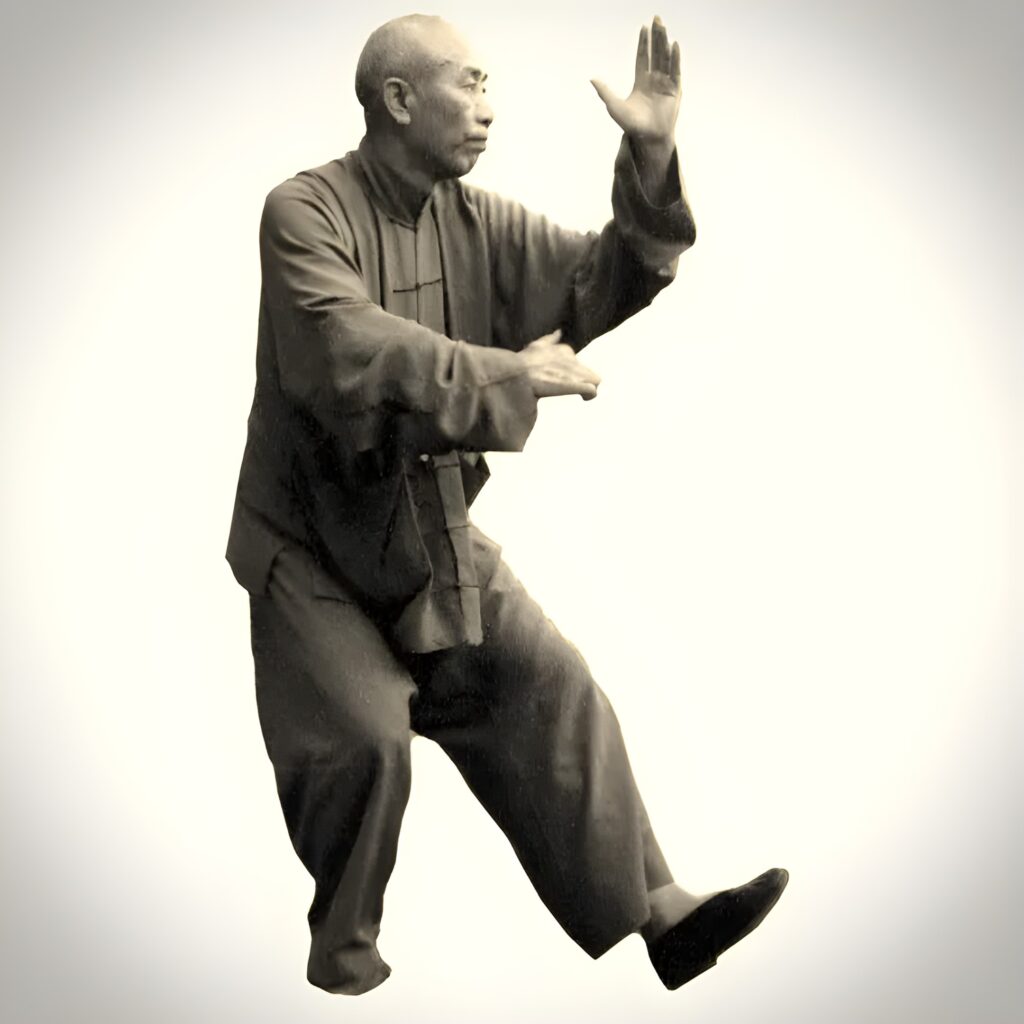
In our conversation, the tai chi animal walks provided useful examples of this changing relationship. The feline quality of stepping draws attention to how the foot is placed and how weight follows. Other walking methods emphasize different qualities of organization and movement. Their value lies in the relationships they help us explore through support, sensitivity, and action.
For an ordinary walking practice, the inquiry can remain simple. We can feel which leg is supporting us and recognize the transition as the other foot moves. We can notice whether the body remains available to adjust or whether the effort to be steady creates rigidity. A small, comfortable step may offer more useful information than an exaggerated movement performed with strain.
Proprioception, the sense of position and movement, helps us recognize these changing relationships. Awareness of breathing, effort, and internal sensation adds another dimension to that perception. Together, these capacities make walking a practical field for exploring responsiveness. We learn to participate in changing support with greater sensitivity.
The Wandering Mind Is Part of the Practice
Bringing attention to walking quickly reveals how frequently attention leaves. A few steps may be felt clearly before a memory appears or a plan develops. We then discover that we have traveled some distance while absorbed in thought. This can produce another layer of effort as we try to prevent thinking or judge the walk by how quiet the mind becomes.
During the conversation, we explored whether practice quiets thought or changes our relationship to it. Both possibilities arose, along with the recognition that experience varies from day to day. Some walks feel settled, while others remain mentally busy. The presence of thought does not remove the opportunity to practice.
Walking offers a dependable way to return because the ground is still present, weight is still shifting, and breathing is still occurring. We can feel the next available step without needing to resolve the thought that carried attention away. Each recognition of distraction provides another opportunity to reconnect with direct experience. Through these returns, continuity is gradually cultivated.
As practice develops, thoughts may continue to arise while bodily experience remains more available. We become less completely carried away by the commentary and more able to recognize what is happening around and within us. This growing availability matters beyond the walk itself. It begins influencing how we participate in ordinary situations.
Walking Without a Destination
One of the most revealing parts of our discussion concerned walking without a goal. Ordinarily, walking serves an outcome such as arriving somewhere, completing a distance, or accumulating steps. These purposes can organize activity and support consistency. Mindful walking introduces the possibility of allowing the experience of walking to be sufficient for a time.
Kim described walking meditation with Thich Nhat Hanh and recalled the peace and serenity of that shared practice. Her account brought us back to the question of whether we can be present without immediately making the moment serve another purpose. Even a short walk can reveal how deeply the habit of arrival shapes attention. We may be measuring progress, comparing experiences, or waiting for a particular feeling.
Practice allows us to recognize these tendencies and return to what is already available. This connects with the maturation explored in When Practice Becomes Goalless, where discipline continues while the emotional pressure to achieve begins to soften. The walk becomes meaningful through participation. For a few steps, there is room to experience movement without asking it to deliver a different version of ourselves.
Walking Within the Practice Field
Within Inner Life, walking belongs to the same living architecture as standing, breathing, movement, and contemplative inquiry. It offers opportunities to establish organization, maintain it through movement, recognize unnecessary effort, and adapt as conditions change. Standing practice makes these relationships perceptible within relative stillness. Walking brings them into changing support.
We can explore whether attention remains connected while weight transfers and whether breathing remains available as direction changes. We can also recognize tension without immediately forcing a correction. These inquiries place walking within the Practice Field, where a method provides conditions in which capacities develop together. Structure, regulation, perception, and responsiveness become aspects of the same experience.
This process is rarely linear because the person entering practice is never exactly the same. A familiar path may feel different when we are tired, hurried, distracted, or emotionally unsettled. These differences provide information about how we are participating. Over time, continuity may become easier to recover, and what initially requires repeated reminders can become more readily available within ordinary movement.

Begin Where You Are
The conversation repeatedly returned to the importance of a practice that fits the person. As Dr. MoraMarco put it,
“So it’s tailor-made for your practice, not for someone else, and what you need at the time.”
This keeps the emphasis on a workable relationship with practice. Duration, pace, and complexity can develop according to experience and capacity.
A beginning can be as simple as a few attentive minutes on a clear, level route. Before moving, pause long enough to feel the ground beneath your feet and notice your breathing. Begin at a comfortable pace, allowing the steps to remain natural. Feel the transfer of weight and the changing contact beneath the feet while keeping the eyes open and remaining aware of the surrounding space.
There is no need to impose a breathing count or make the steps unusually slow. Allow breathing to remain easy, and notice whether unnecessary effort can soften. When attention wanders, return to the feet, the shifting of weight, or the movement of breathing. Use whatever support makes walking comfortable and steady.
The purpose of this beginning is to establish a relationship that can be renewed. A brief practice repeated with interest provides opportunities to recognize familiar habits and discover new details. Some days may feel clear and connected, while others reveal restlessness or distraction. Each offers something to experience directly.
When the Walk Enters Life
Near the end of our conversation, we discussed the difference between practicing something and having a practice. As I expressed it then,
“But having a practice is like, the elements go into your life, right?”
A session provides a deliberate place to cultivate attention, but its deeper significance becomes apparent in what remains available afterward.
We may begin noticing how we move through a doorway, approach another person, or stand at the kitchen counter. The same quality of participation can enter washing dishes, preparing food, or listening to someone speak. Attention, structure, breathing, and responsiveness begin appearing within activities that were previously performed with little awareness. This is where practice starts becoming embodied.
Walking offers a direct bridge because it already belongs to daily life. We can begin with a deliberate period of practice, then return to a few felt steps while crossing a room or moving from the car to a building. These ordinary moments allow the relationship to be renewed throughout the day. The boundary between formal practice and everyday movement can gradually become less pronounced.
The feet meet the ground, weight shifts, and breathing continues. Attention returns to the experience already unfolding. Through this simple renewal, walking becomes another way of participating more fully in life. What begins as a few mindful steps can gradually influence how we inhabit the world.
Continue Exploring This Theme