Ritual, Tradition, and Spiritual Transformation
with Shaykh Peter Huseyin Cunz
Why Rumi’s Living Tradition Still Matters Today
Every authentic tradition asks the same question: Can a human being truly be transformed through disciplined practice? In this conversation, Shaykh Peter Huseyin Cunz explores why ritual, embodiment, guidance, and living tradition remain essential for genuine spiritual awakening.
Beyond Spiritual Consumerism
Modern spirituality offers unprecedented freedom. We can read sacred texts from every religion, learn meditation from countless traditions, attend workshops across multiple disciplines, and assemble a personal collection of practices that feels meaningful to us. Yet this freedom also raises an important question: Does collecting spiritual experiences actually produce transformation?
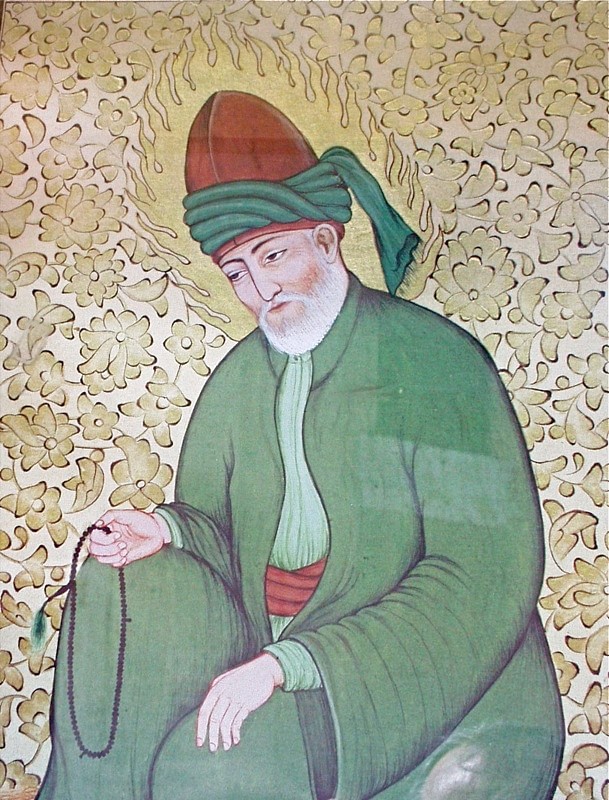
Throughout this conversation, Shaykh Peter Huseyin Cunz offers a thoughtful and deeply grounded response. Speaking from decades within the Mevlevi Sufi tradition of Jalaluddin Rumi, he suggests that authentic transformation does not arise from inventing our own path. Instead, it grows through sustained participation in a living tradition whose practices have been refined through generations of practitioners.
Peter carefully distinguishes between practices that help us feel better psychologically and practices intended to reshape the whole human being. The difference is subtle but profound. He acknowledges that many contemporary approaches can be beneficial, but he also argues that feeling good should not be mistaken for awakening. Authentic traditions exist not simply to comfort us, but to transform us.
“Authentic transformation is cultivated through participation, not simply through collecting practices.” —Peter Huseyin Cunz
For Peter, tradition is not the preservation of old ideas. It is the preservation of living methods that continue to transform those willing to practice them.
Ritual Is More Than Symbolism
One of the strongest themes running through this conversation is Peter’s understanding of ritual. In contemporary culture, rituals are often viewed as symbolic expressions of beliefs that already exist within us. Peter presents something much more radical. Ritual is not merely expressing an inner reality—it is actively cultivating one.
Repeated forms gradually reorganize the practitioner. The body learns. The heart learns. Attention learns. Over time, the practitioner begins to inhabit a different way of perceiving the world.
As an engineer by training, Peter naturally explains this process through systems, patterns, and what he describes as enduring informational fields created through centuries of repeated practice. Whether one accepts this explanation literally or metaphorically, the central insight remains compelling: traditions preserve far more than ideas. They preserve ways of becoming.
This perspective resonates with many authentic contemplative and martial traditions. Transformation is rarely achieved by thinking differently alone. It is cultivated through disciplined participation.
“Tradition preserves more than teachings. It preserves a living field of practice.” —Peter Huseyin Cunz
The Body Participates in Awakening
A particularly rich portion of our discussion explores embodiment. Peter describes Islamic prayer not simply as reciting words, but as a sequence of postures that gradually train surrender. Standing, bowing, kneeling, and prostrating are not external gestures added onto belief. They are themselves part of the spiritual education.
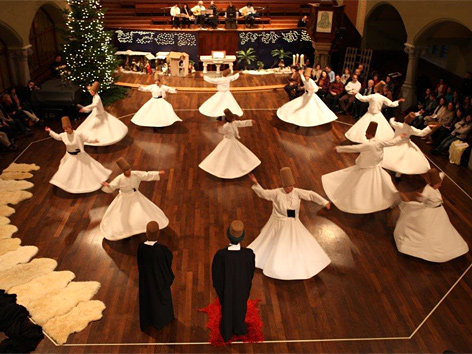
The same principle applies within the Mevlevi practice of Sema.
To an outside observer, the whirling dervish appears to be performing an elegant dance. Yet for the practitioner, the turning demands unwavering presence. The body cannot remain balanced while the mind wanders. The movement continually returns attention to its center until body, awareness, and devotion begin to function as one.
This is one of the great strengths of embodied traditions. Rather than attempting to think ourselves into awakening, they invite the entire human organism into the process. The body becomes a participant in prayer rather than merely supporting the mind.
Over time, this participation gradually reshapes perception itself.
Why Guidance Still Matters
Contemporary culture often assumes that spirituality should be entirely self-directed. We readily accept teachers when learning mathematics, medicine, engineering, or music, yet many assume they can guide themselves through the far more subtle landscape of inner transformation.
Skaykh Cunz gently but firmly challenges this assumption.
Drawing repeatedly upon Rumi, he reminds us that the ego cannot become its own guide. The very structure we hope to transform cannot reliably lead the transformation. Rumi offers a striking image: a traveler who leaves the caravan fire behind in the desert because he believes he can continue alone. The warmth remains for a time, but eventually the caravan—and the guide—have moved on.
Another of Rumi’s images is equally powerful. We imagine ourselves longing for the Divine as though two separate things are moving toward one another. Yet, Peter explains, when the sun truly arrives, the shadow disappears. We say we love God, but when Reality fully enters, the separate self we have been protecting cannot remain. This is what Rumi means by “die before you die.”
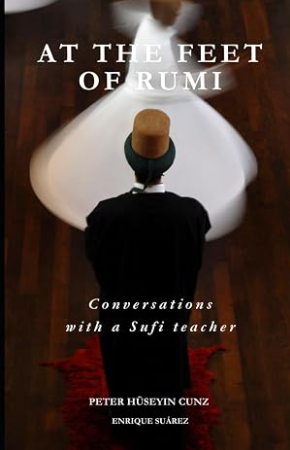
At the Feet of Rumi: Conversations with a Sufi Teacher by Shaykh Peter Huseyin Cunz and Enrique Suárez explores the living wisdom of the Mevlevi Sufi tradition inspired by Jalaluddin Rumi.
These images reveal why authentic traditions insist upon guidance. Teachers do not replace our responsibility. They simply help us see what we cannot yet see ourselves.
Perhaps Peter’s most beautiful observation is that authentic teaching is not information flowing from teacher to student. Genuine transmission emerges through the student’s sincerity, openness, and readiness to receive.
“The ego cannot become its own guide.” —Peter Huseyin Cunz
Simplicity Is the Fruit of Practice
Near the end of our conversation, I asked Peter what had become simpler after decades of practice. His answer came immediately: everything. It is a remarkably simple response that captures the spirit of authentic spiritual maturity. Rather than becoming increasingly occupied with theories, systems, or mystical experiences, genuine practice gradually simplifies our relationship with life itself.
The search becomes quieter, the need for certainty softens, and the desire to become someone slowly gives way to learning how to be fully present. This simplicity does not arise by avoiding complexity; it arises by moving through it. Like many great teachers before him, Peter suggests that wisdom often appears ordinary from the outside while representing decades of disciplined cultivation beneath the surface.
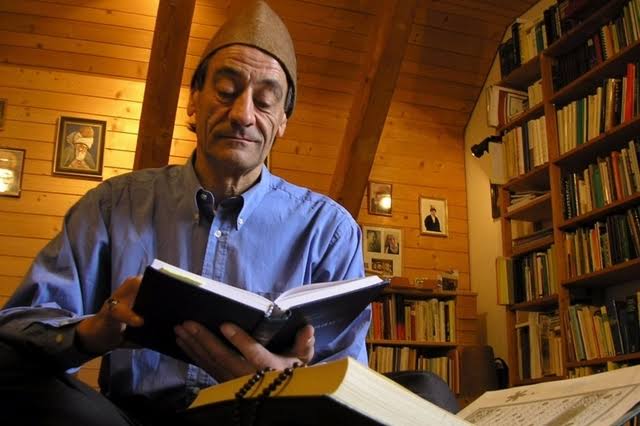
“Everything becomes simpler.” —Peter Huseyin Cunz
You Only Ever Take the Next First Step
Perhaps the most memorable teaching from our conversation comes near its conclusion. Many people want to understand the entire spiritual path before taking the first step. They want certainty about where the journey will lead before committing themselves to practice. Peter suggests that authentic traditions offer no such guarantees. Instead, they ask something much smaller—and much more demanding. Take one sincere step. Allow that step to transform you. Then discover what the next first step becomes.
As Peter explains, there are no second steps in spiritual life—only the next first step. Every sincere effort changes us just enough to reveal what the next effort should be. The path unfolds through participation rather than prediction, through practice rather than certainty. It is not a destination that can be mapped in advance, but a way of living that continually reveals itself through sincere engagement.
“You only ever take a first step.” —Peter Huseyin Cunz
In an age that encourages us to collect experiences, identities, and spiritual techniques, Shaykh Peter Huseyin Cunz offers a profoundly different vision. The deepest traditions are not asking us to become more spiritual versions of ourselves. They invite us into a lifelong discipline of participation—one in which ritual, embodiment, guidance, and sincere practice gradually soften the self we have spent a lifetime constructing. In that softening, something deeper begins to emerge. As Rumi reminds us, when the sun arrives, the shadow disappears. Authentic spiritual transformation is not about becoming someone new; it is about allowing what is ultimately Real to illuminate—and gently dissolve—what we have mistaken for ourselves.
About the Guest
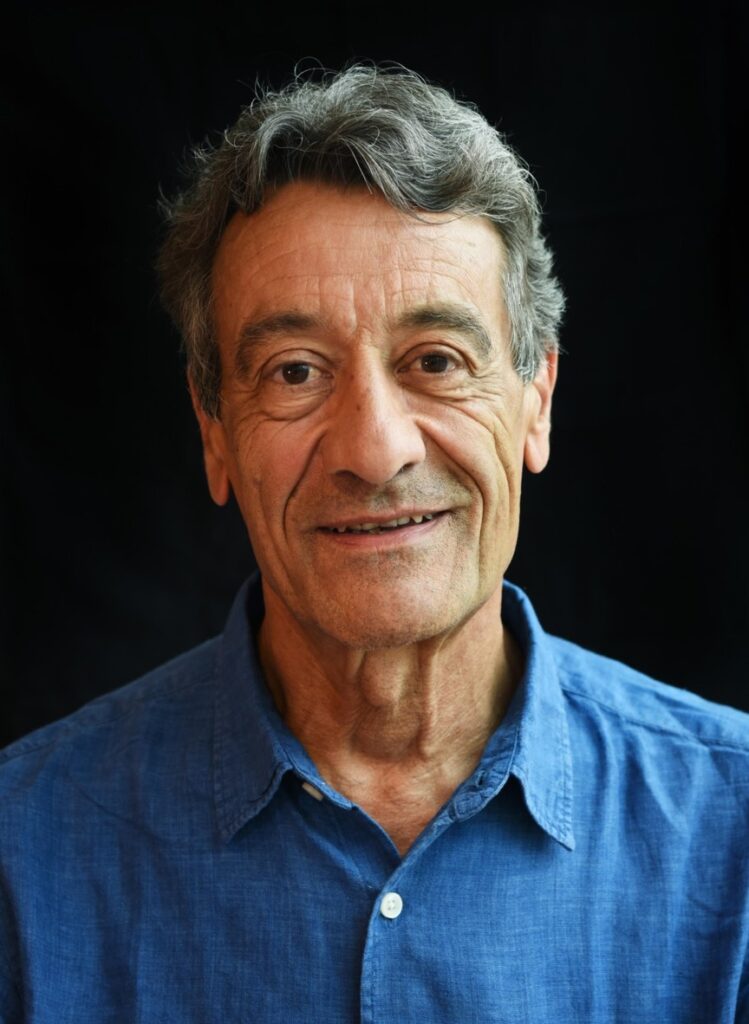
Shaykh Peter Huseyin Cunz is a Swiss Sufi teacher in the Mevlevi Order, the living spiritual tradition established through the teachings of the 13th-century mystic and poet Jalaluddin Rumi. Ordained as a Shaykh in 1999 after years of study and training under Shaykh Huseyin Top Efendi, which included learning from the late Shaykh Şefik Can Efendi, he has spent more than two decades guiding students in Europe while helping adapt the Mevlevi tradition thoughtfully to contemporary Western culture.
Before devoting himself fully to spiritual teaching, Peter enjoyed a distinguished career as an electrical engineer and energy specialist, working in industry and later in Switzerland’s Federal Office of Energy. Raised in a Christian environment, his lifelong search for the deeper meaning of existence eventually led him to Islam and, ultimately, to Sufism, where he found a spiritual home in Rumi’s tradition. His work today explores ritual, embodiment, spiritual guidance, and the transformation of consciousness through disciplined practice, while fostering dialogue between Eastern wisdom and Western culture. He is the author of At the Feet of Rumi and continues to teach that authentic transformation unfolds not through extraordinary experiences, but through humility, sincerity, and the continual practice of taking “the next first step.”
Explore More of This Theme