

Pain, Awareness, and the Wisdom of Khalil Gibran
How a Poem by Khalil Gibran Changed My Experience of Pain
by Mark V. Wiley
There is nothing romantic or poetic about pain. It hurts. It is uncomfortable. It stalls one’s momentum.
As many of you know, I have lived much of my life with chronic pain — bad days and better days. Fortunately, after decades of searching and applying the body-breath-mind methods of traditional disciplines, there have been far more better days than bad.
One of my nightly practices is simple: sitting quietly in a comfortable chair, becoming still, and allowing the sensory field to settle. If I am not too tired — and if the hour allows — I will spend some time reading in the philosophical and practical literature of the great traditions, trying to understand the words of the masters.
When I was a child, my mother had a set of books on her shelves — a collection by the poet Khalil Gibran. At age ten or eleven, I felt strangely drawn to them. I would often pull the volumes down just to look at the beautiful drawings he had created. But I never read the texts.
In my twenties, I asked my mother if I could have the set. She was happy to pass them on, and they have remained on my shelves ever since. The first book I read was The Wanderer, which felt fitting at the time, as I myself was wandering — traveling, training, apprenticing, searching. I had always meant to read The Prophet, but despite opening it many times over the years, I never did.
Until tonight.
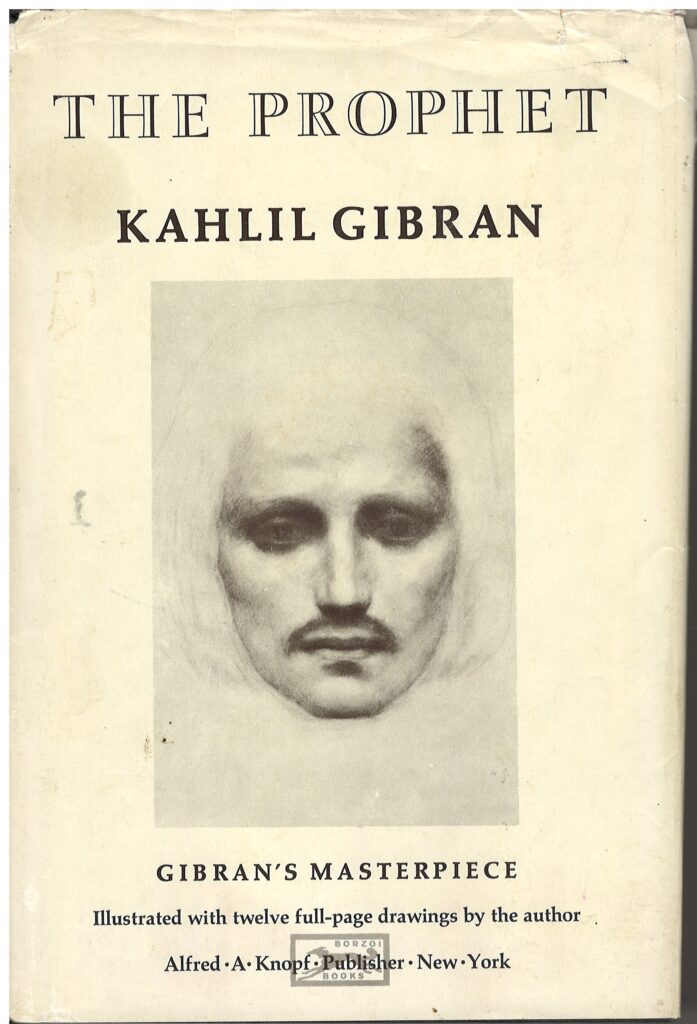
After my usual quiet sitting practice, I stood up, took the book from the shelf, and began reading. My right neck had been bothering me throughout the evening. But when I reached Gibran’s poem “On Pain” (page 52 in my edition), I found myself unexpectedly absorbed by his language and metaphor.
Somewhere in the reading, something shifted. The pain was no longer with me. It had receded.
Reading Gibran
“Somewhere in the reading, something shifted. The pain was no longer with me. It had receded.” —Mark V. Wiley
Gibran’s Poem
“On Pain”
And a woman spoke, saying, Tell us of Pain.
And he said
Your pain is the breaking of the shell that encloses your understanding.
Even as the stone of the fruit must break, that its heart may stand in the sun, so you must know pain.
And could you keep your heart in wonder at the daily miracles of your life your pain would not seem less wondrous than your joy;
\And you would accept the seasons of your heart, even as you have always accepted the seasons that pass over your fields.
And you would watch with serenity through the winters of your grief.
Much of your pain is self-chosen.
It is the bitter potion by which the physician within you heals your sick self.
Therefore trust the physician, and drink his remedy in silence and tranquility:
For his hand, though heavy and hard, is guided by the tender hand of the Unseen,
And the cup he brings, though it burn your lips, has been fashioned of the clay which the Potter has moistened with His own sacred tears.
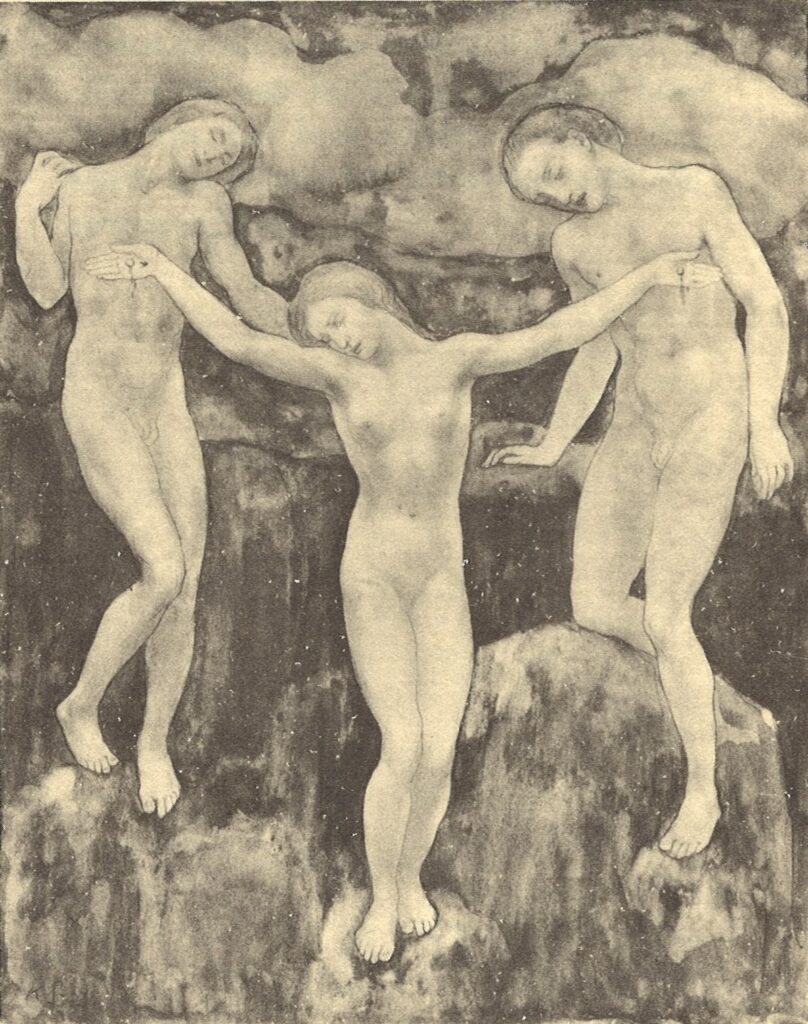
From The Prophet (Knopf, 1923). This poem is in the public domain.
Closing Reflection
When I closed the book, the pain had not disappeared entirely. But something had changed.
My attention had shifted from resisting the sensation to inhabiting the moment more fully. Whether it was Gibran’s words, the stillness that preceded them, or simply the act of becoming absorbed in something larger than myself, I cannot say.
What struck me most was not the temporary relief, but the reminder that pain and suffering are not always the same thing. Pain may be present in the body, yet awareness remains free to move beyond it.
Sometimes healing arrives through medicine, movement, or treatment. Sometimes it arrives through a poem waiting patiently on a shelf for forty years.
About Khalil Gibran
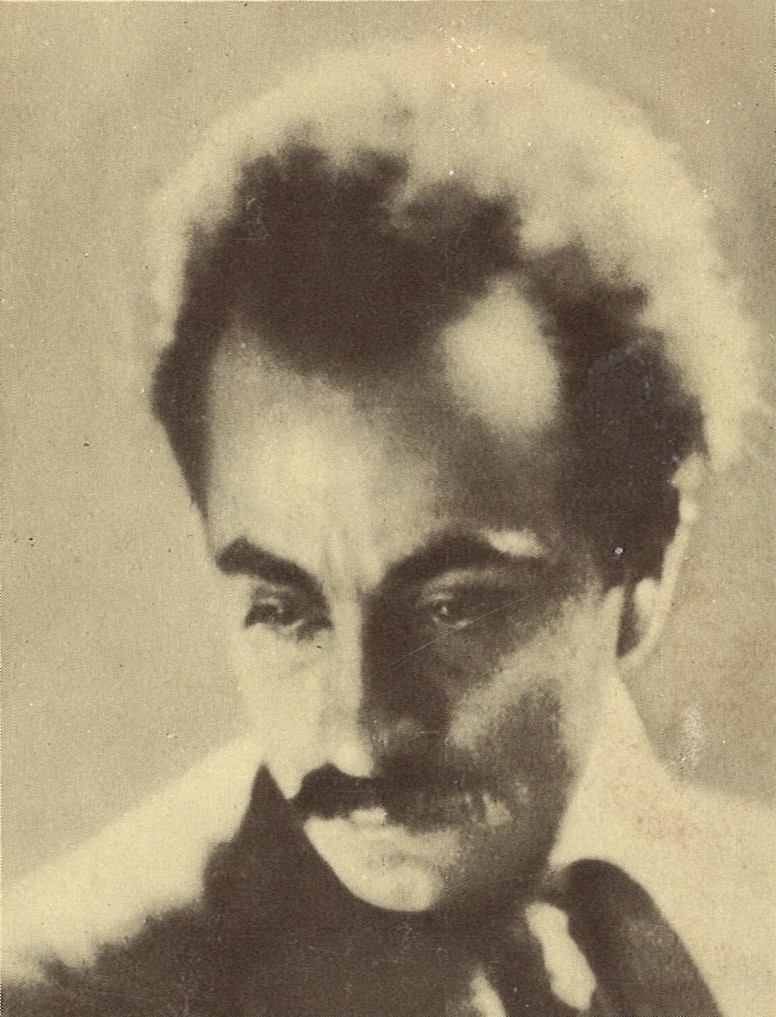
Khalil Gibran (1883–1931) was a Lebanese-American poet, artist, and philosopher whose work explored love, suffering, freedom, spirituality, and the human condition. His best-known work, The Prophet, has been translated into more than one hundred languages and remains one of the most widely read books of spiritual literature in the world.
Gibran combined poetic language, philosophical insight, and mystical symbolism in a way that continues to resonate with readers more than a century after its publication. The poem “On Pain” remains one of the most frequently quoted passages from The Prophet and offers a perspective on suffering that speaks across cultures, traditions, and generations.
Learn more about Khalil Gibran → The Khalil Gibran Collective
Books often arrive in our lives long before we are ready to understand them. If this reflection resonated, you may also enjoy “The Two Books My Teacher Gave Me,” a reflection on the enduring influence of a teacher, a gift, and the books that continue to shape a life of practice.
Read “The Two Books My Teacher Gave Me” →
Continue Exploring
The Inner Life Model
How body, breath, attention, and perception organize into lived experience.
The Practice Field
What emerges when perception, awareness, and embodied capacities begin functioning together.
Integrated Modular Training (IMT)
How capacities develop, integrate, and become stable traits rather than temporary experiences.
Integral Being
Conversations exploring transformation, embodiment, and the cultivation of the human being.