
What the Body Reveals Over Time
What sustained practice gradually reveals beneath visible movement
by Mark V. Wiley
There is a stage in training where the body begins revealing things the mind alone could never fully understand.
In the beginning, most practice is external. We memorize sequences. We correct posture. We imitate mechanics demonstrated by the teacher. Attention is directed toward visible performance — where the hands go, how the stance looks, whether the movement resembles the model being shown.
This stage is necessary.
No serious tradition survives without imitation in the early years. In orthodox Ngo Cho Kun, forms preserve the architecture of the system itself — the accumulated mechanics, alignments, breathing methods, timing relationships, and force principles transmitted across generations. Without repetition and correction, there is no foundation upon which deeper understanding can develop.
But over time, embodied martial arts practice begins revealing relationships hidden beneath visible movement.
The Necessary Stage of Imitation
The practitioner gradually discovers that the real training is not happening only in the visible movement. It is happening inside the organism itself.
This realization rarely arrives dramatically. In fact, it often appears so quietly that many practitioners miss it entirely. The body begins giving feedback that was previously invisible. Small disturbances become easier to detect. Tension appears earlier in awareness. Breathing irregularities become obvious during pressure. Structural weakness reveals itself before collapse occurs. Recovery from force, stress, or imbalance becomes something directly perceptible rather than merely conceptual.
The practitioner starts feeling the difference between movement that is mechanically performed and movement that is internally connected. This marks the beginning of a very different relationship with practice. I wrote a Field Note on this very topic, here.
When the Body Begins Giving Feedback
I began recognizing this more clearly during my years of training under Sifu Alex Co. Like many practitioners, I initially believed advancement meant accumulating more material: additional forms, applications, techniques, and training methods.
But under careful structural testing and repeated correction, another reality slowly emerged. The body itself was revealing whether the art had genuinely penetrated beyond choreography.
What looked stable externally was often internally fragmented.
Under pressure, disconnected areas became obvious. Breath disrupted. Force leaked. Root became inconsistent. The body could imitate the appearance of integration long before true integration had actually developed.
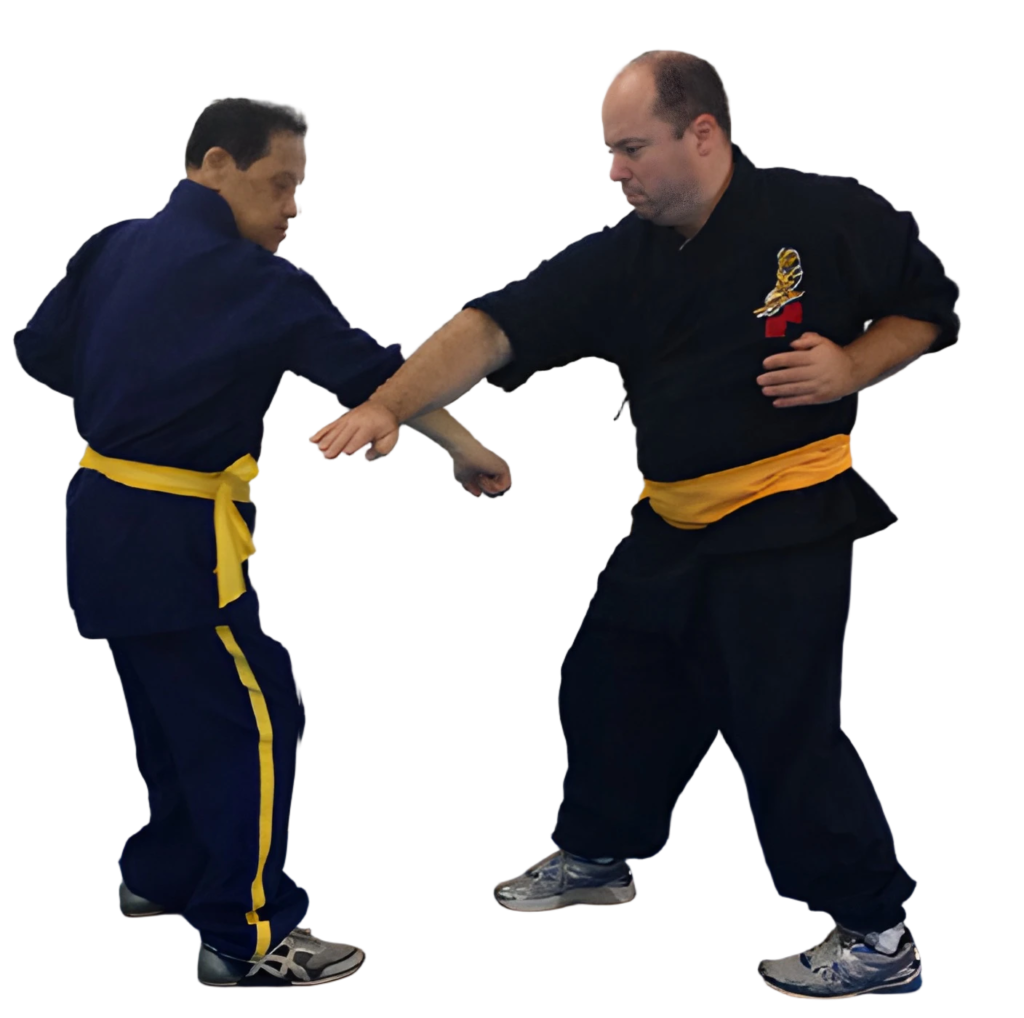
As my understanding deepened through the Lai Meng (“inner gate”) transmission under Sifu Alex Co, I began realizing that two practitioners could outwardly perform the same movement while embodying entirely different internal realities. As I wrote in the book Inner Gate:
“To the outer physical movements looked nearly identical, but the inner movements, root,
and force flow were completely different.” —Mark V. Wiley
Beyond Choreography
This is one reason serious traditional training places such importance on repetition under correction. The deeper work is not merely learning movements. It is reorganizing the relationships inside the body itself.
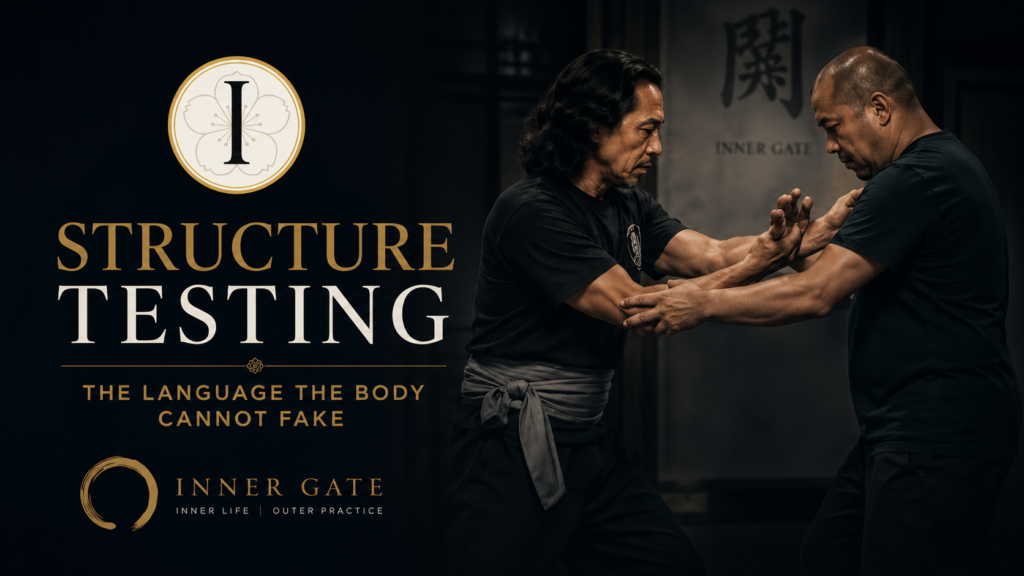
I remember vividly when Sifu Alex Co first began “testing” my structure during a late-night training session in Taiwan. What I believed was rooted and stable collapsed under minimal pressure. With only slight directional force, he exposed breaks in continuity I could not yet perceive myself. It was one of the first times I truly understood that structure is not posture alone — it is relationship, continuity, and connected force throughout the body.
Over long periods of sustained practice, several changes begin to appear.
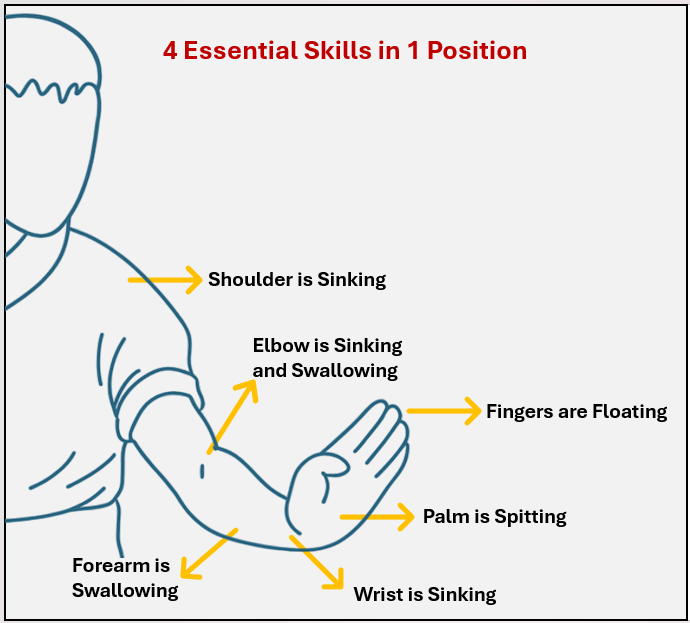
The practitioner becomes more sensitive to continuity between segments of the body. Movements no longer feel isolated or locally generated. Pressure entering one point can be felt affecting the entire structure. Breathing and force begin interacting more closely. Transitions between movements become more important than the positions themselves. Less effort is required to generate power because the body is no longer working against itself to the same degree.
None of this is mystical in the supernatural sense. It is experiential, observable, and trainable through sustained embodied practice.
Nor is it exclusive to martial arts.
Similar processes appear in meditation, traditional crafts, internal cultivation systems, music, healing disciplines, and other serious embodied traditions. At a certain point, the practitioner stops merely performing the method and begins perceiving the internal relationships the method was designed to cultivate.
Embodied Martial Arts Practice Under Pressure
Early training depends heavily on visual imitation. Later training depends increasingly on direct perception. The practitioner begins relying less on external appearance and more on what the body itself reveals under pressure, contact, stillness, fatigue, timing, and repetition.
The body becomes both the laboratory and the teacher.
This is also why long-term practice often looks deceptively simple from the outside. Mature practitioners frequently appear quieter, less theatrical, and more economical than those still relying primarily on visible effort. Much of the work has moved beneath the surface. What is being refined is no longer merely the outer shape of the art, but the quality of organization within the organism itself.
但得本、莫愁末
“Grasp the root and do not fret over the branches.” —Ngo Cho
The Shift from Appearance to Perception
I discuss aspects of these developmental processes of embodied martial arts practice more extensively in Inner Gate: The Orthodox System of Ngo Cho Kun, particularly in comprehensive sections on structure, force flow, rooting, and traditional methods of refinement. But the larger principle extends well beyond any single system.
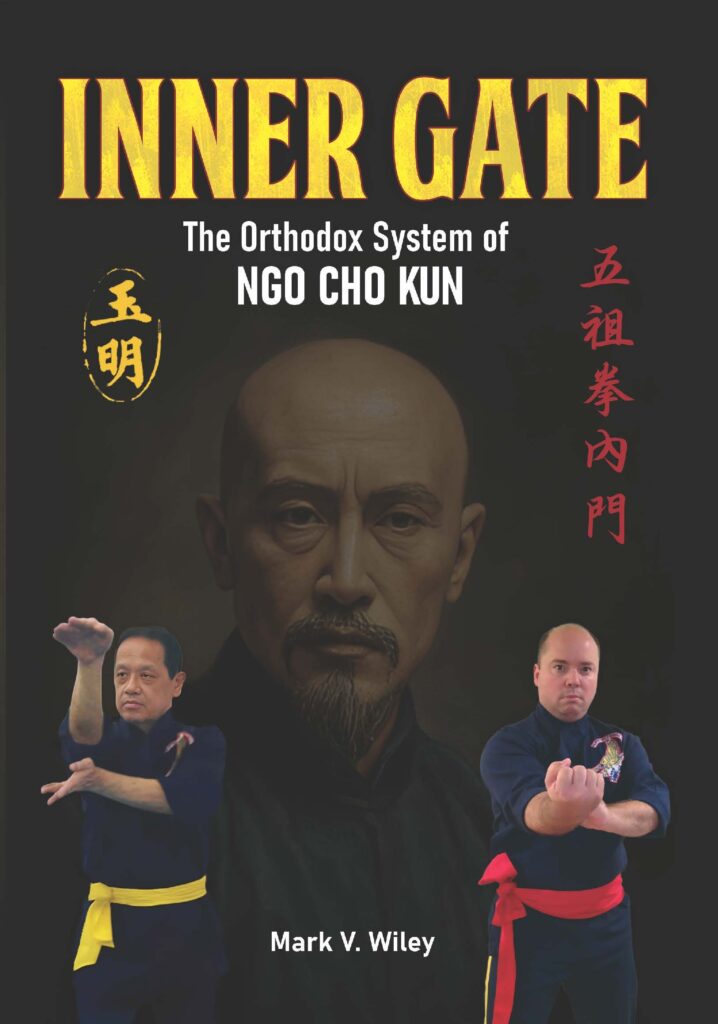
Over time, the body reveals exactly how deeply practice has entered.
Not through performance.
Not through accumulated technique.
Not through theory or appearance.
But through what remains connected under pressure, what recovers after disruption, what softens without collapsing, and what gradually reorganizes itself through years of sustained practice.
Eventually, the practitioner realizes that the real curriculum was never merely the forms themselves, but the transformations those forms were designed to cultivate within the human being.
For practitioners interested in the deeper transmission of orthodox Ngo Cho Kun — including structure testing, force flow, breath regulation, internal mechanics, and traditional training methodology — the Inner Gate Ngo Cho Kun page provides a more complete overview of the system and its foundations.
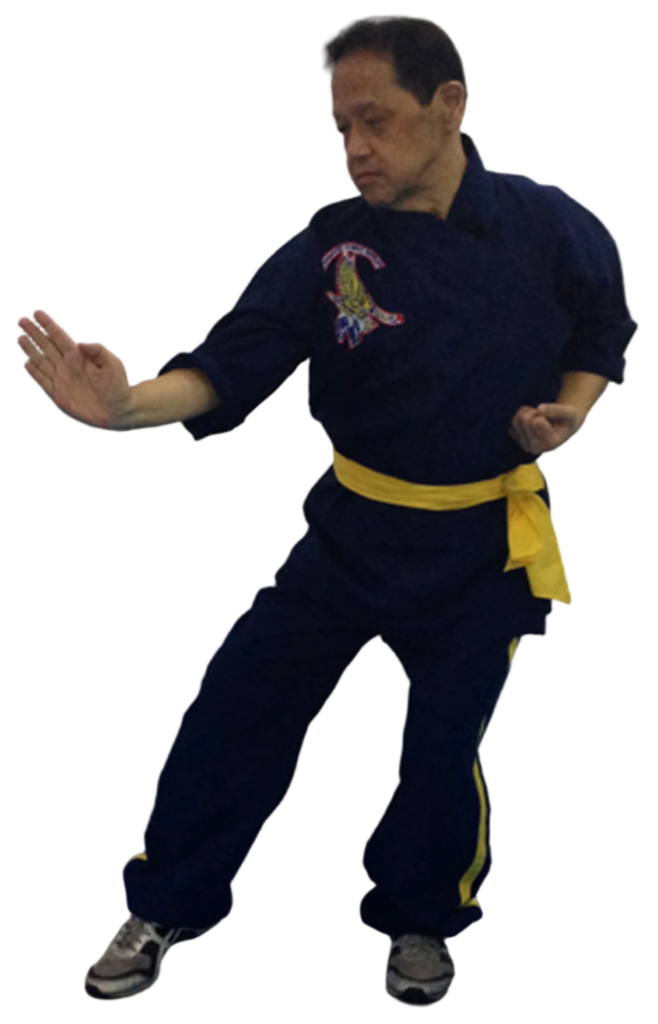
What remains available under changing conditions gives us one practical measure of embodiment. The distinction between temporary states and embodied traits is explored more fully in What Embodiment Actually Means.
And for the serious practitioner, learning to perceive those revelations may be the beginning of the real work.
From the Inner Gate
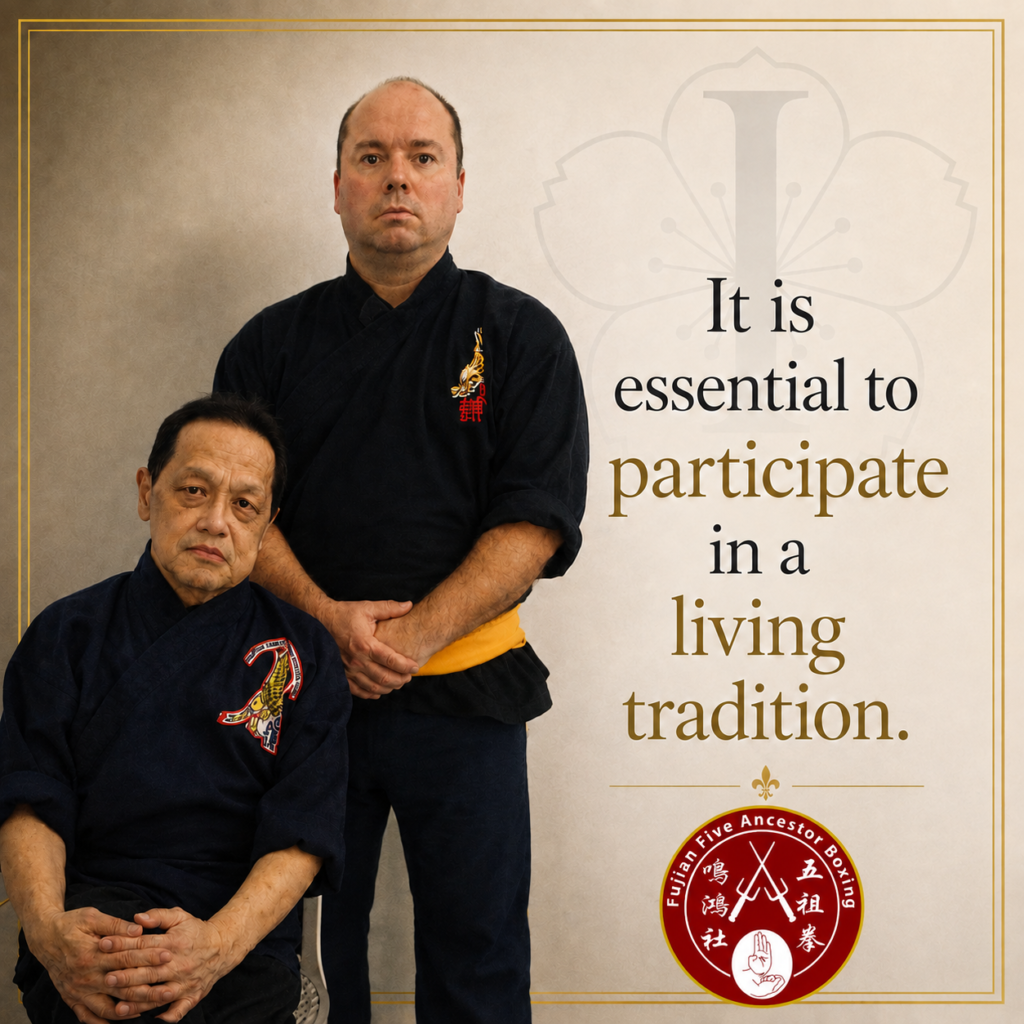
This Field Note explores principles also examined in Inner Gate: The Orthodox System of Ngo Cho Kun, Mark V. Wiley’s examination of the history, training methods, principles, and living transmission of orthodox Ngo Cho Kun.
Inner Gate is also preserved as part of the Inner Life Archive.
Continue Exploring