
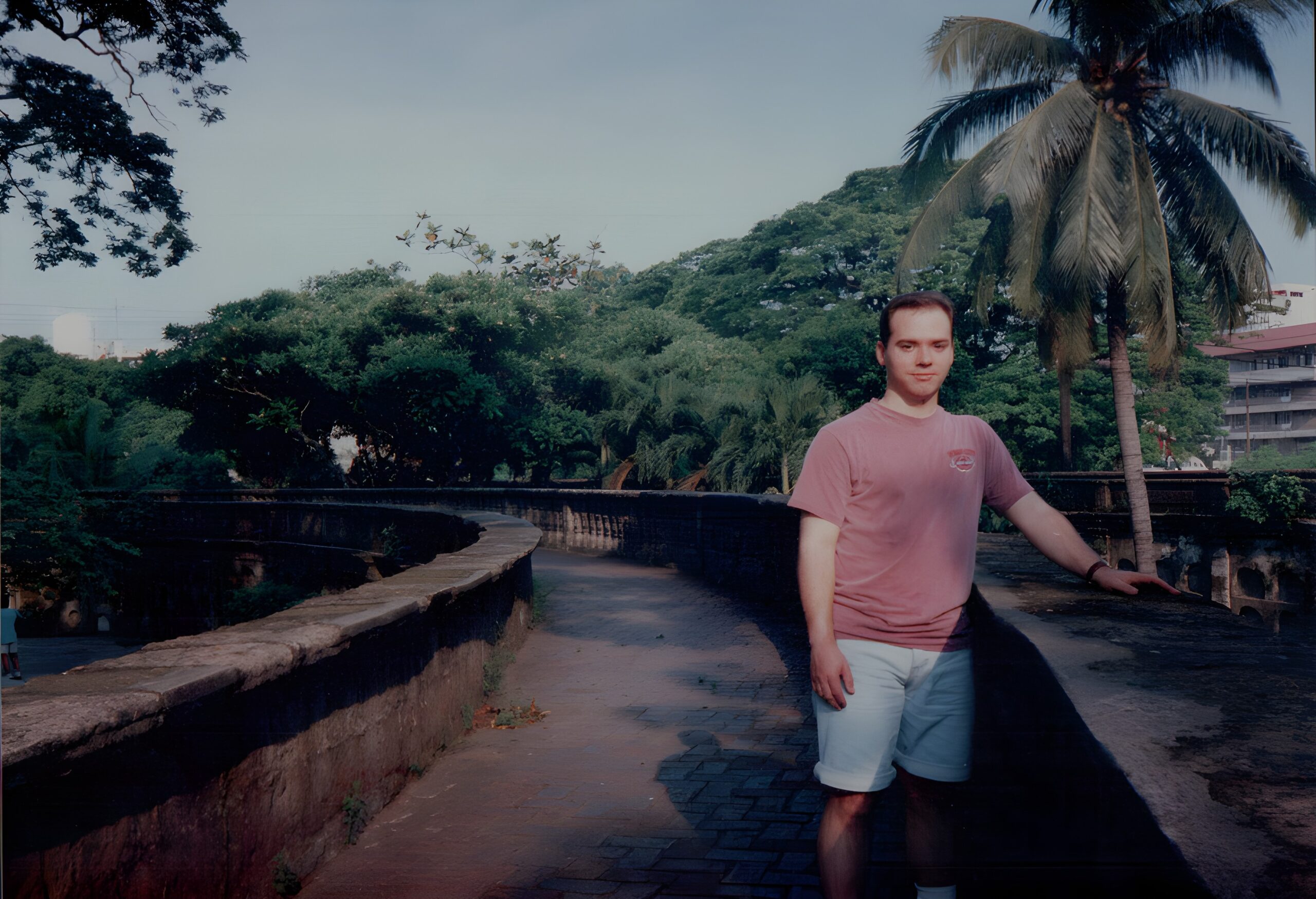
MARK V. WILEY
A lifetime of training, inquiry, and lived experience
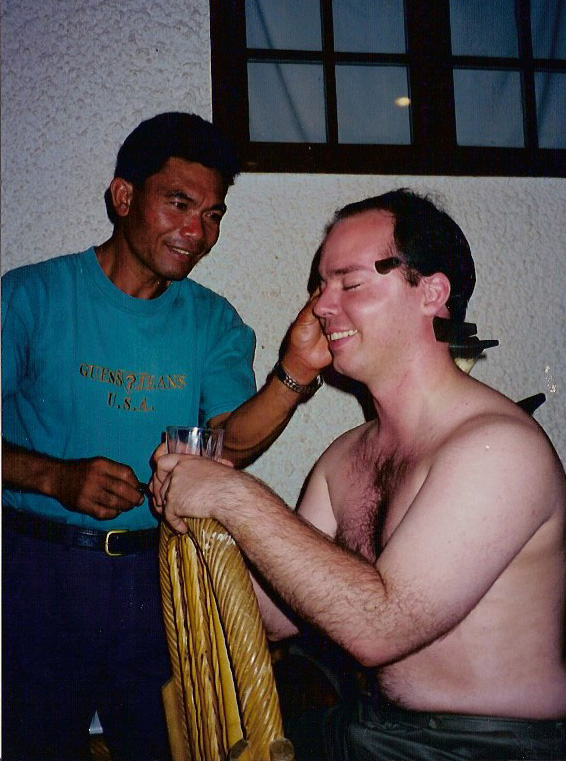
Manila, Philippines — 1994
Field training and early research
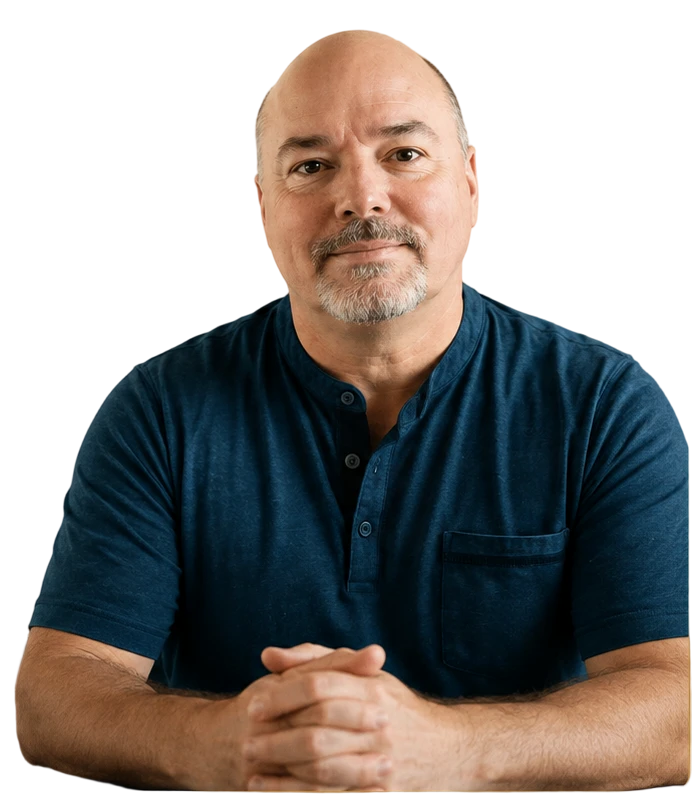
Who Is Mark?
Author • Researcher • Practitioner • Mentor
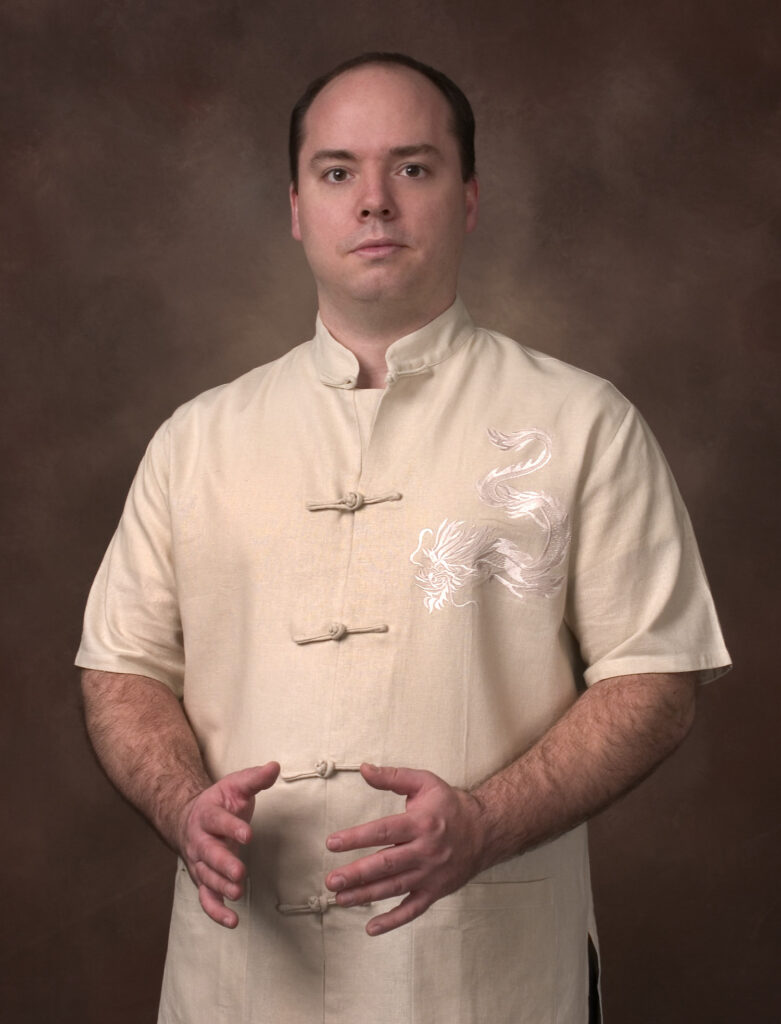
Mark V. Wiley has spent more than four decades exploring embodied practice and human development through direct practice, research, writing, and teaching. His work spans martial arts, internal cultivation, contemplative traditions, healing disciplines, and somatic practice, alongside extensive field research and conversations with teachers, practitioners, healers, and scholars from diverse traditions.
Across these different approaches, his inquiry increasingly turned toward a fundamental question about practice, development, and embodiment.
From this inquiry, Inner Life gradually emerged—not as a theory imposed upon different traditions, but as an attempt to understand the developmental processes revealed through direct practice, teaching, research, and sustained engagement across them.
The aim is not simply to acquire methods or accumulate knowledge, but to understand what practice actually develops: how the body organizes, how attention and perception change, how regulation and responsiveness develop, and how these capacities become increasingly integrated and available in life.
This inquiry also led to the development of Integrated Modular Training (IMT), the Regulation Model, the Practice Field, and the Six Foundational Practices—different expressions of a larger developmental framework grounded in direct experience.
→ Explore the System: The Inner Life Model → Begin Practice: The Six Foundational Practices
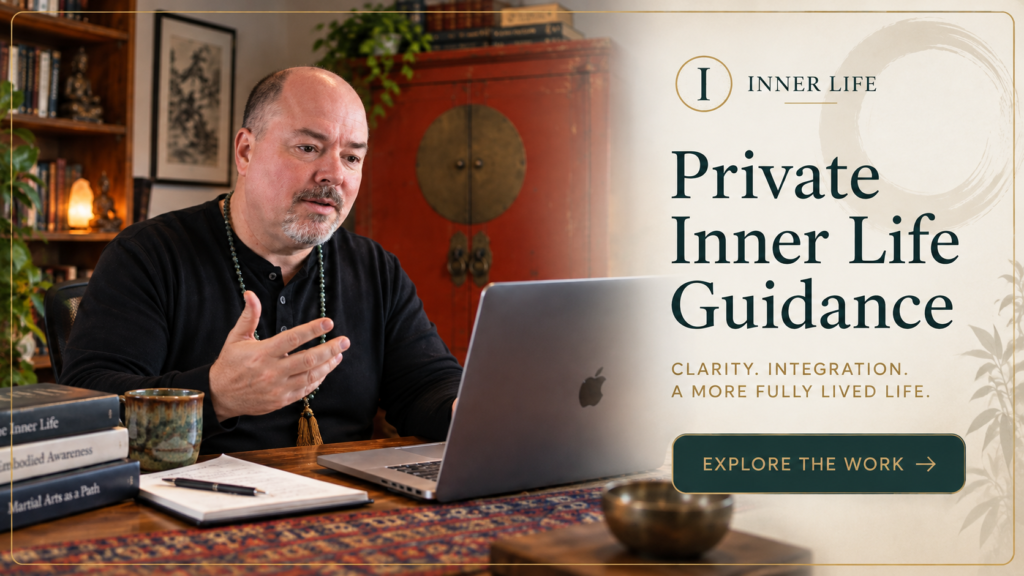
Private Inner Life Guidance
If you want to deepen an established practice, work through a plateau or limitation, integrate different approaches, or bring what you have cultivated more fully into how you live, I offer individualized one-to-one guidance.
The Beginning of the Path
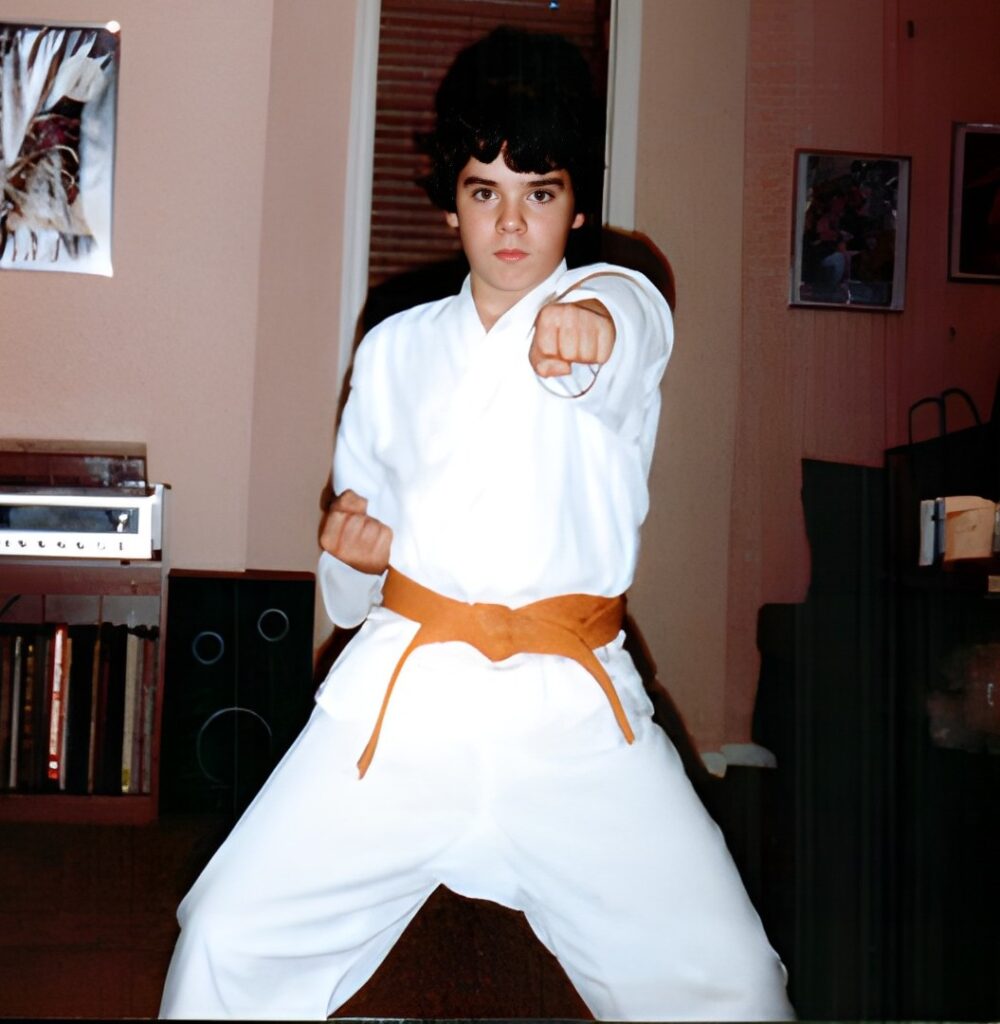
This inquiry did not begin with theories. It began with practice—with years of training, This inquiry did not begin with theory. It began through lived experience—with physical limitation, years of training, repeated failure, observation, and the gradual discovery that the body could change.
Mark was born nearly three months premature and grew up with persistent physical challenges, including chronic pain, headaches, restricted movement, and years of medical intervention. These experiences raised questions about the body long before he had a framework for understanding them.
“The body became the first place where I learned that understanding something and becoming capable of it were not the same thing.” —Mark V. Wiley
Training offered another way of approaching those questions.
He began martial arts in 1979. What initially offered structure, discipline, and a way of becoming physically more capable gradually became something deeper: a means of discovering through direct experience what the body could learn, reorganize, and make available over time.
Progress came through repetition, correction, frustration, and sustained practice. Changes that could not simply be understood intellectually had to be developed through the body.
As his training continued, the search expanded toward teachers, systems, healing methods, and eventually traditions throughout Asia. Early influences—from literature to martial arts cinema—had offered images of transformation. The decades that followed became a process of testing what transformation actually meant through practice and lived experience.
→ Reflection: Embodied Transformation: Why Insight Alone Isn’t Enough
→ Practice: Returning to the Soma
Field Research and Apprenticeship
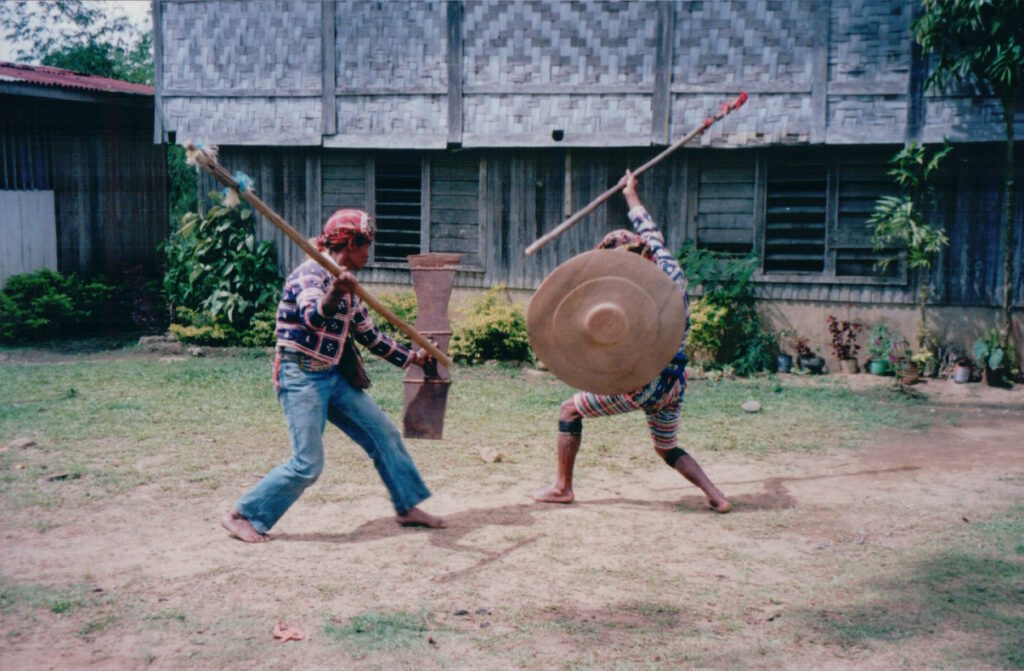
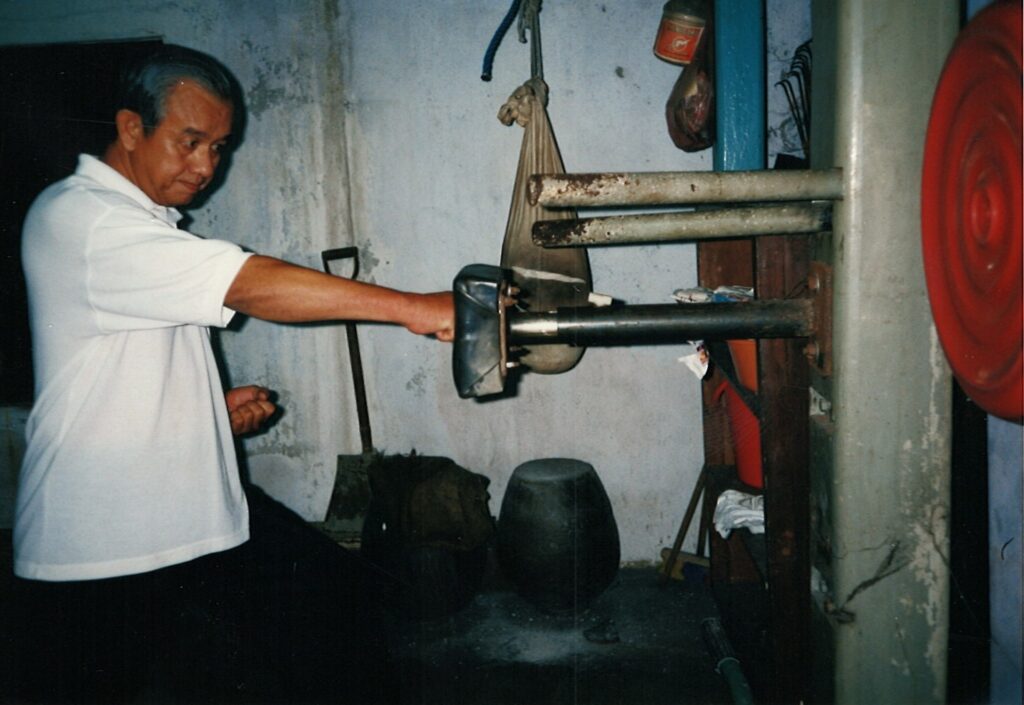
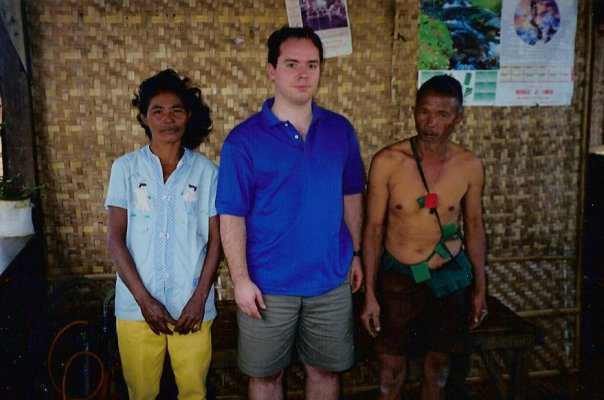
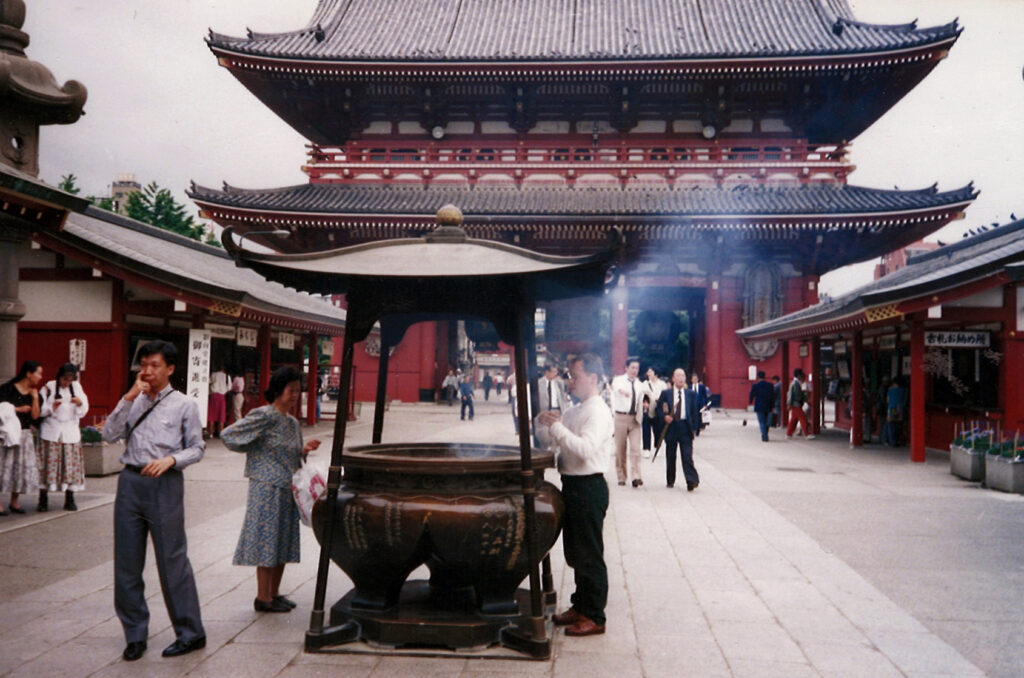
Mark’s engagement with practice increasingly became field research. Beginning in the 1990s, he traveled extensively throughout Asia and elsewhere to train directly with teachers, observe living traditions, and understand how methods were transmitted through sustained practice rather than description alone.
In the Philippines, Hong Kong, Malaysia, Singapore, Taiwan, Japan, and other locations, he sought out martial artists, healers, internal practitioners, and lineage holders—often returning repeatedly rather than approaching these encounters as brief visits.
This apprenticeship revealed something that would become central to his later work: a method cannot be understood apart from the conditions through which it is practiced, corrected, tested, and embodied.
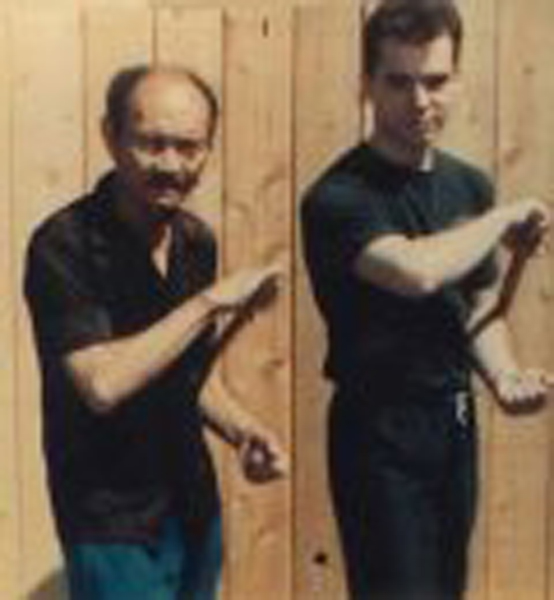
Angel Cabales – 1989
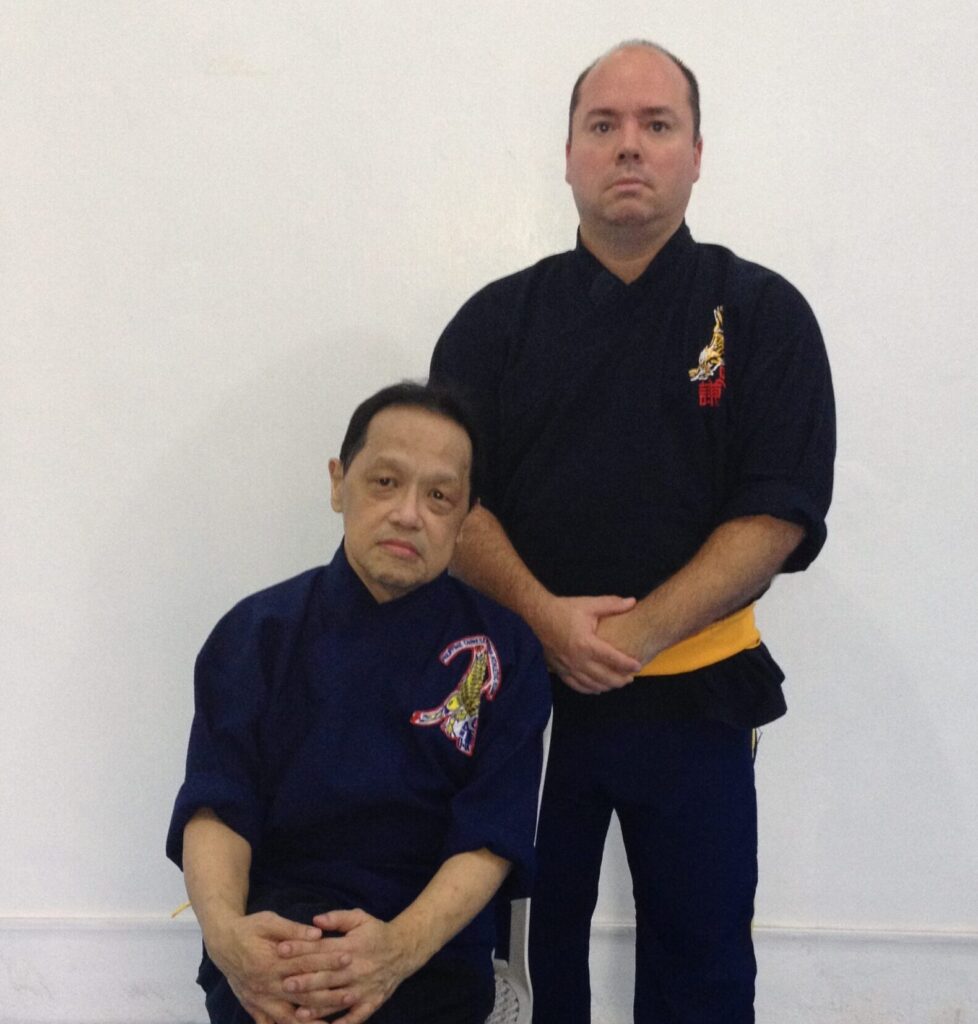
Alex Co – 2013
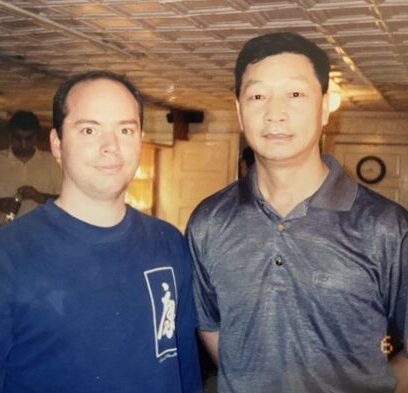
Faxiang Hou – 2003
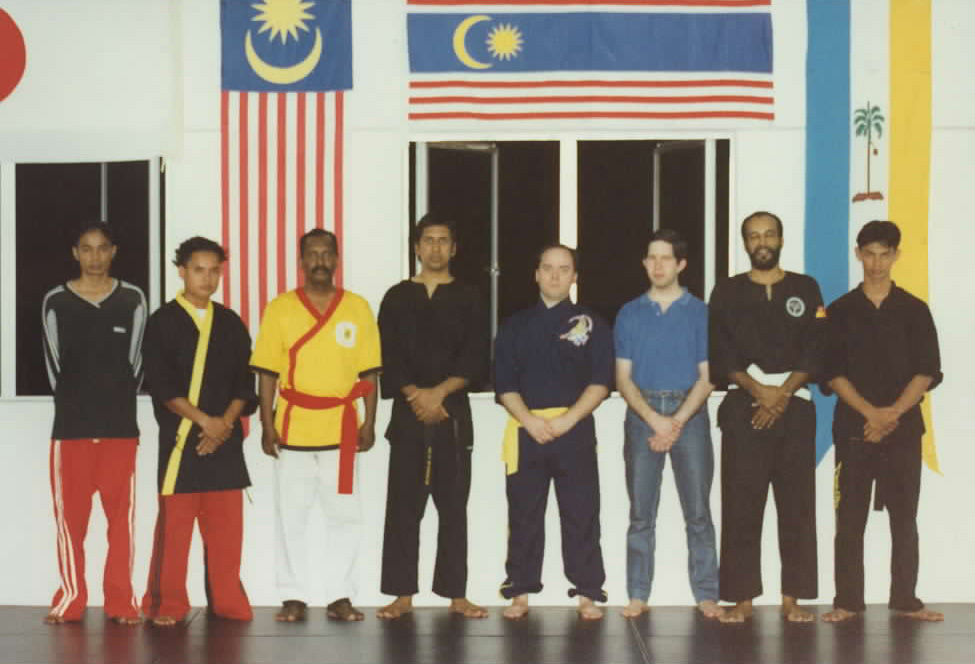
Across traditions, a deeper pattern became clear:
methods differed, teachers differed, but the underlying transformation followed consistent principles.
Documentation became part of the process. Interviews, photographs, video, notes, and repeated observation allowed Mark to compare what different traditions taught with what practitioners could actually demonstrate and transmit.
Across very different systems, his attention increasingly shifted from collecting methods to understanding the developmental processes beneath them.
→ Field Note: Among the Pioneers of Arnis
→ Integral Being: René Navarro — Tai Chi as a Complete Path
Martial Arts, Training, and Embodied Intelligence
Martial arts remained the central laboratory through which many of these questions were tested.
Across decades of training in Filipino and Chinese martial traditions, Mark studied how structure, timing, sensitivity, attention, perception, and responsiveness develop through repeated interaction. His work eventually led to the founding of Integrated Eskrima, recognition at grandmaster level within Filipino martial arts, and lineage transmission in Ngo Cho Kun.
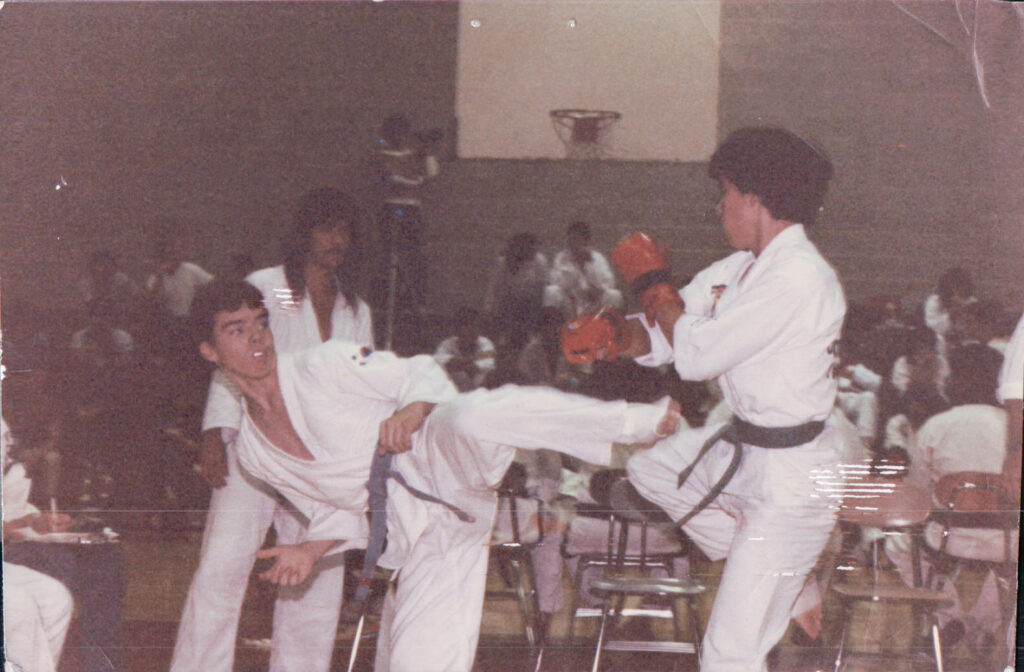
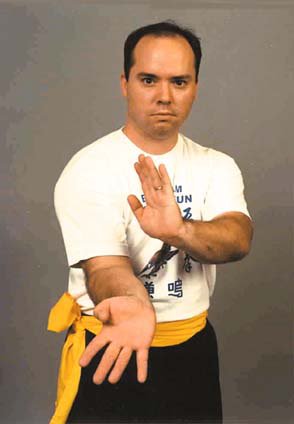
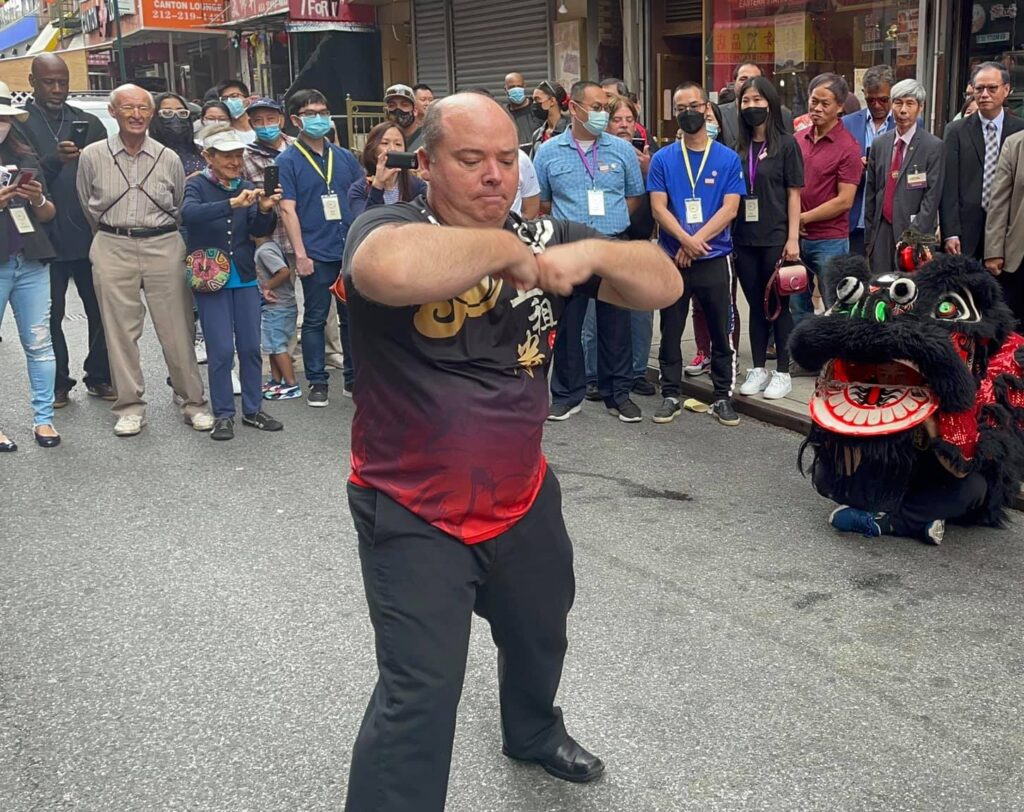
Yet rank and technical accumulation became less important to the inquiry than a more fundamental question: What remains available when conditions change?
A movement performed correctly in isolation may disappear under speed, pressure, uncertainty, or interaction. A principle understood intellectually may not yet be embodied. Martial practice provided a way to expose that difference directly.
This distinction—between what a person knows and what has become sufficiently integrated to remain available—would become foundational to Inner Life.
→ Knowledge Base: Embodiment: What It Actually Means
→ Reflection: What Tai Chi and Aikido Teach About Embodiment
Healing, Internal Arts, and Regulation
Mark’s inquiry expanded beyond performance and skill into the conditions that make development possible.
Through Chinese medicine, manual therapies, qigong, neigong, breath practices, and other approaches to healing and internal cultivation, he began examining how tension, structure, breathing, physiology, attention, and recovery influence what a person can access and sustain.
Clinical work made these questions especially concrete. People did not arrive as abstract systems. They arrived with pain, restriction, stress, habitual patterns, and different capacities for adaptation. A method that helped one person could be ineffective—or inappropriate—for another.
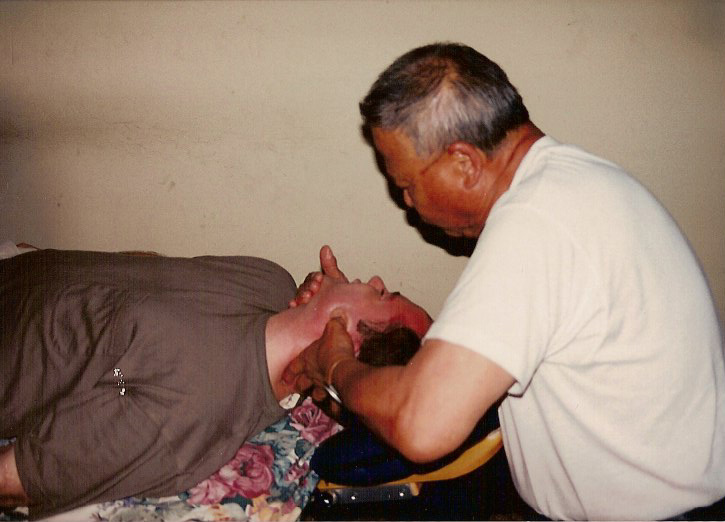
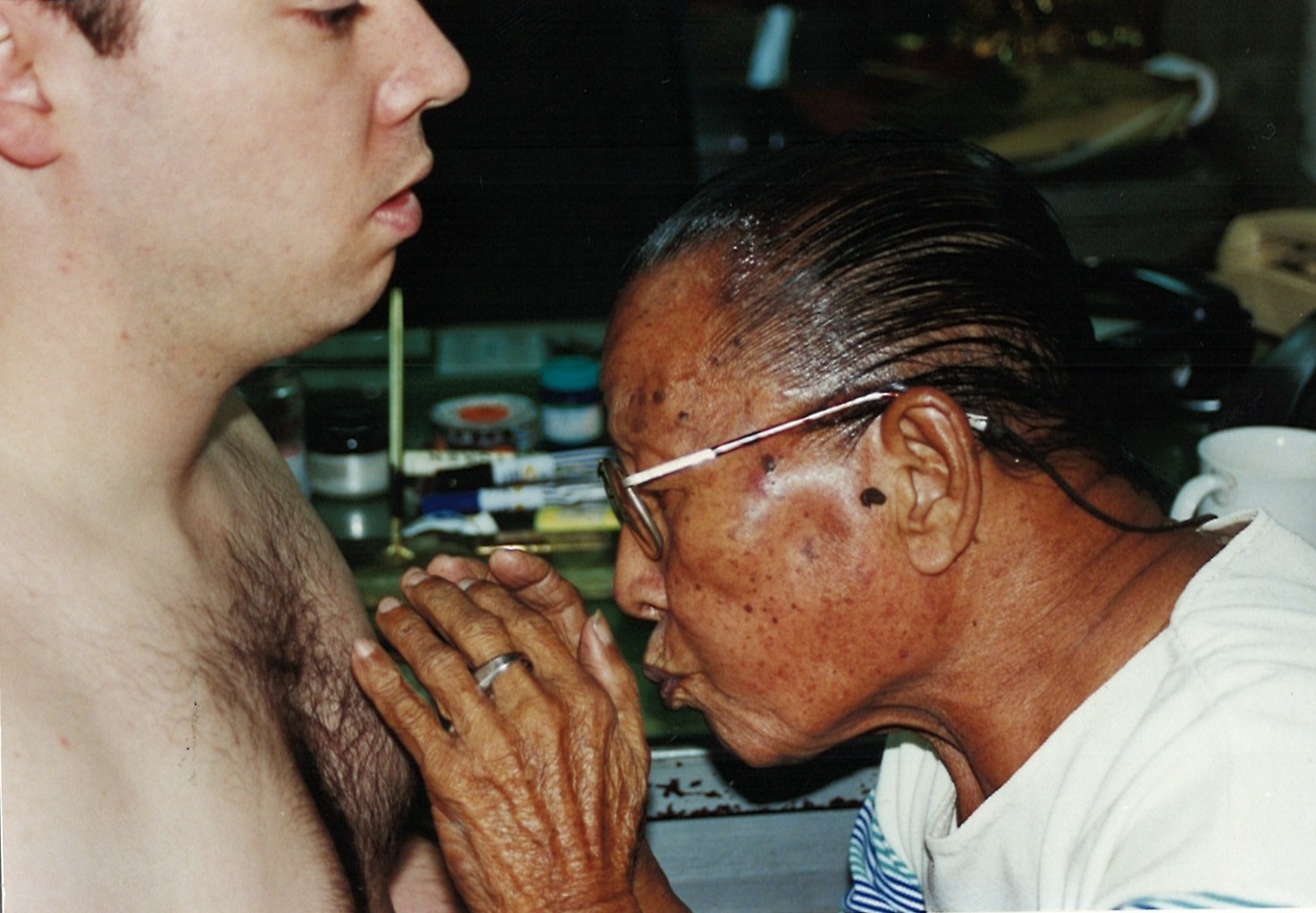
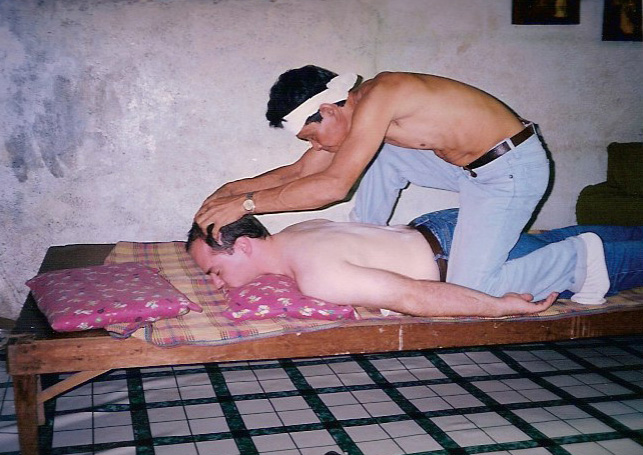
This shifted the emphasis from applying methods to recognizing conditions and responding appropriately.
Over time, these observations contributed to a broader understanding of regulation: human development does not simply require adding capacity. Sometimes the system must stabilize, sometimes strengthen, sometimes release, sometimes reorganize.
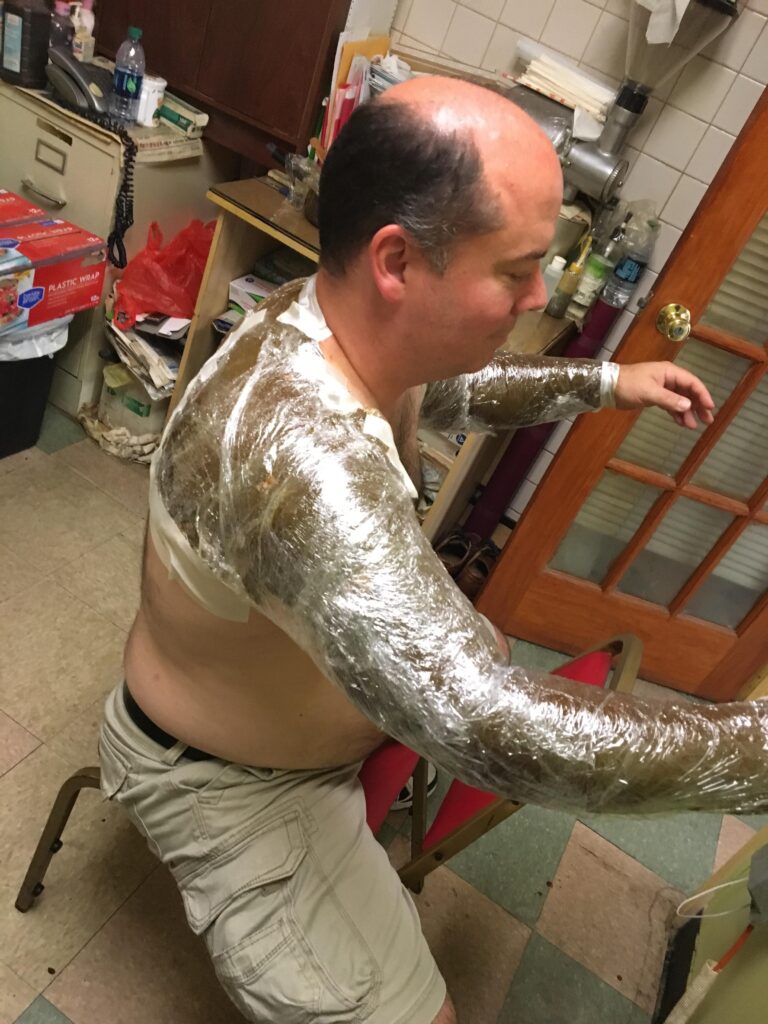
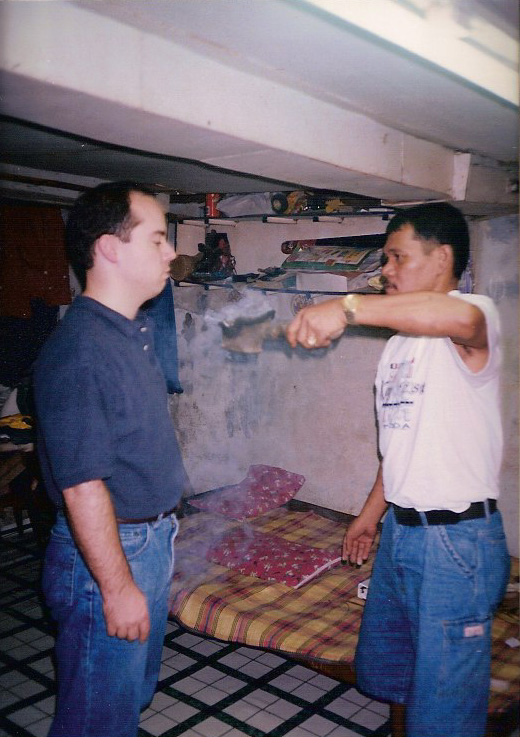
These principles would later contribute to the Regulation Model and to the larger Inner Life understanding of development as a dynamic process rather than a fixed progression.
Across all domains, one principle remained consistent: what cannot be stabilized in the body does not endure.
→ Core Page: Inner Life Regulation Model
→ Core Page: IMT (Integrated Modular Training)
→ Integral Being: Stuart Alve Olson — Cultivation and Direct Experience
Spiritual Inquiry and Orientation
Alongside martial and healing practice ran another inquiry: What is the nature of awareness itself?
Meditation, contemplative practice, Daoist and Buddhist traditions, and later sustained engagement with Sufi teachers and teachings expanded the investigation beyond what the body could do toward questions of perception, consciousness, identity, relationship, and the nature of experience.
These traditions introduced a different kind of testing. The question was no longer only whether structure remained organized under pressure or whether physiology could be regulated, but whether attention could remain stable, whether habitual reactions could be recognized, and whether insight actually changed how one participated in life.
This reinforced a principle already emerging elsewhere in Mark’s work: understanding is not transformation. What matters is what becomes embodied and available in lived experience.
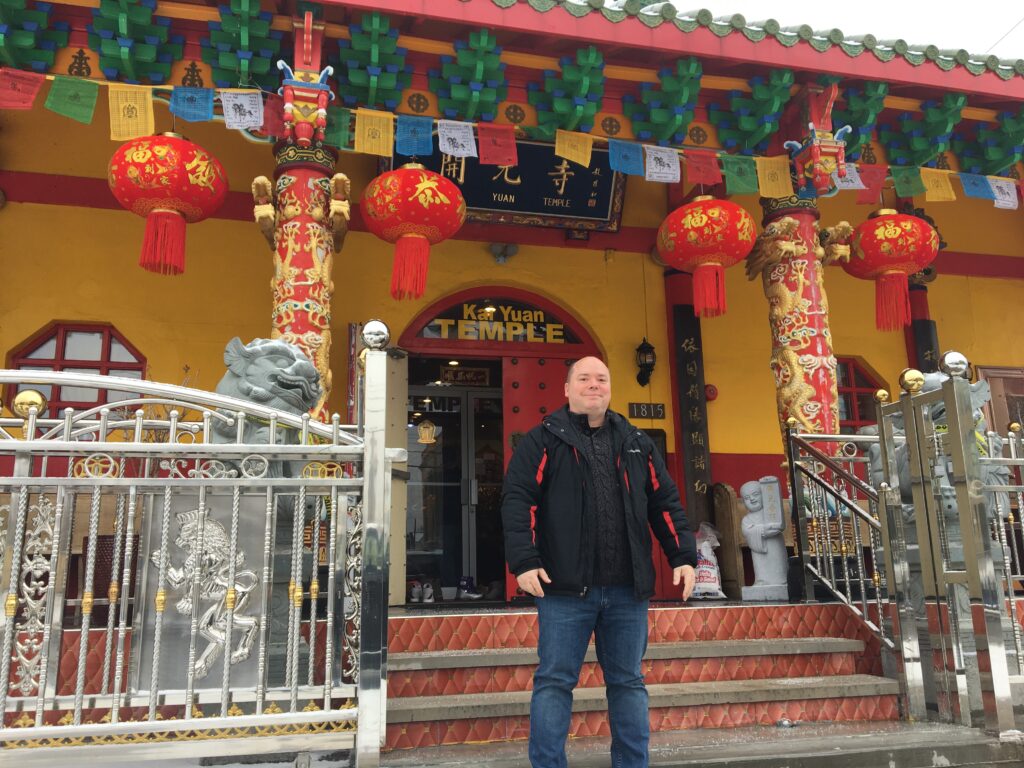
His study moved through Daoism and Buddhism, supported by sustained practice in Vipassana meditation, Hsin-I meditation, mantra recitation, and Daoist internal and meditative disciplines. Alongside this, he has engaged deeply with foundational texts such as the I Ching, Dao De Jing, Zhuangzi, Huangdi Neijing, Prajnaparamita Hṛdaya (Heart Sutra), and Liuzu Tanjing (Platform Sutra of the Sixth Patriarch). In 2013, he became certified as an interfaith minister, and in 2023 entered a period of study toward Daoist priesthood within the Quanzhen (Complete Perfection) tradition. In both cases, he ultimately chose not to pursue formal roles, as his orientation remained rooted in direct practice and a broader, cross-traditional integration.
Inner Life is organized around human development—not spiritual affiliation.
The traditions matter because they preserve methods of transformation.
The measure is not which tradition we belong to, but what capacities become embodied through practice.
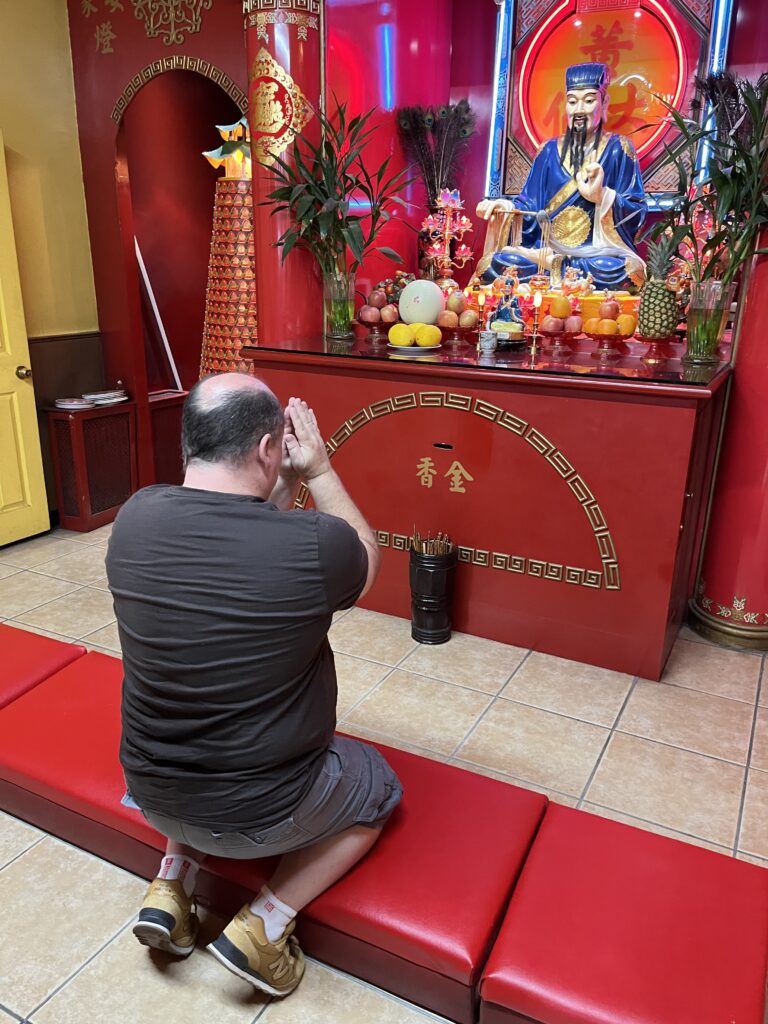
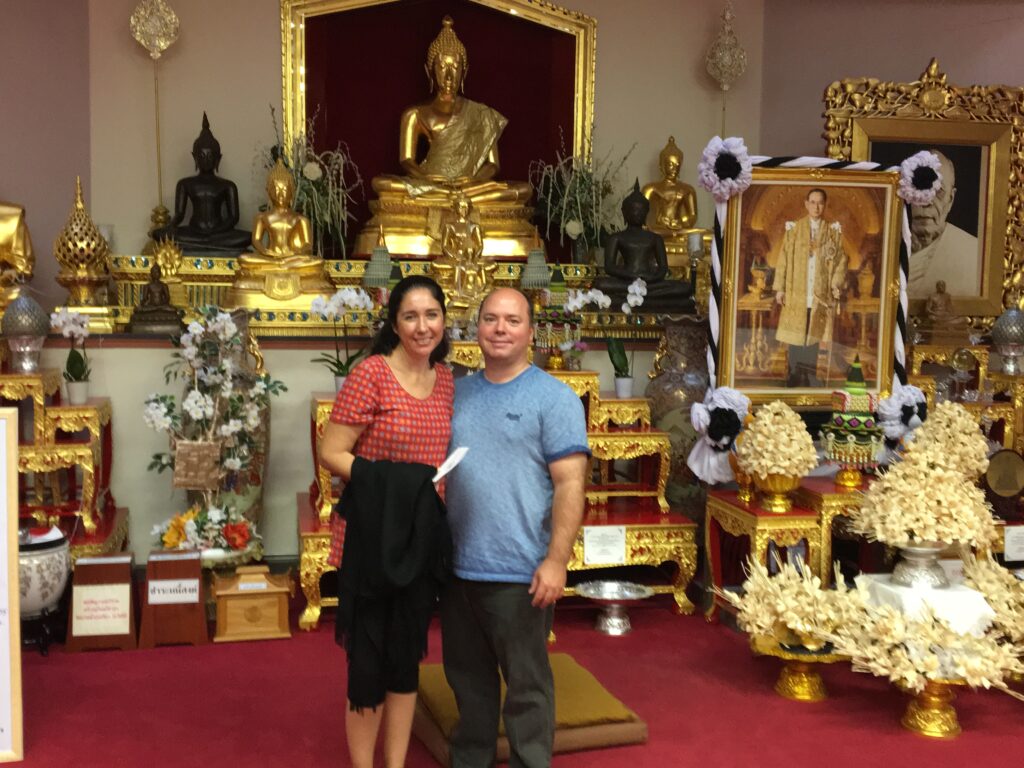
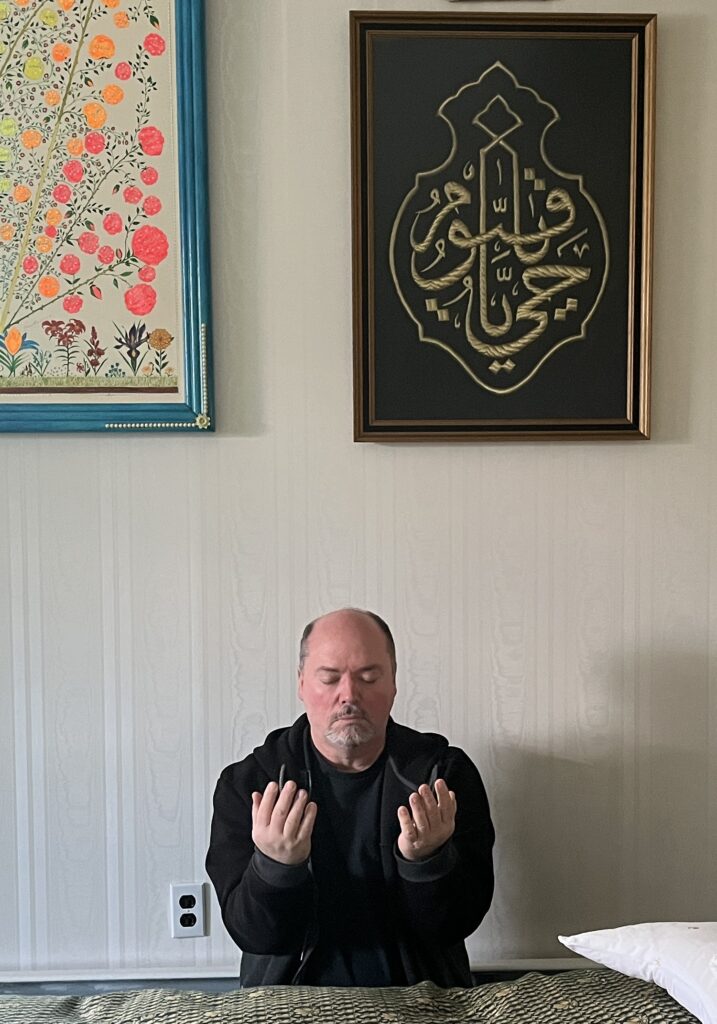
Mark’s path has continued through direct study of Sufism since 2023—particularly a deep focus on the discourses of Shaykh Bawa Muhaiyaddeen, within whose Fellowship he is an active member, and the contemporary teachers, Shaykh Fadhlalla Haeri and Shaykh Burhanuddin Herrmann.
These encounters gradually expanded from studying individual traditions to exploring the principles they share. The focus shifted from comparing systems to understanding the universal capacities through which awareness, embodiment, and transformation emerge.
This has unfolded alongside sustained engagement with the non-dual teachings of the Bhagavad Gita and Upanishads, and the work of Ramana Maharshi, Sri Aurobindo, Meher Baba, J. Krishnamurti, and G.I. Gurdjieff—alongside later engagement with Meister Eckhart, Mircea Eliade, Ravi Ravindra, and John Vervaeke—each contributing, in different ways, to an ongoing inquiry into perception, awareness, and transformation.
This engagement has not been approached as scholarship or identity, but as ongoing study, contemplation, and practice—an inquiry unfolding through direct experience and the refinement of clarity—not concluded in concept or attainment.
Across traditions, the inquiry has remained consistent:
not because their ideas match, but because the transformation does—
it is lived, embodied, tested, and felt through direct experience.
→ Integral Being: Dr. Ravi Ravindra on The Journey to Awakening
→ Integral Being: Shaykh Fadhlalla Haeri on Presence Beyond Spirituality
→ Reflection: Suffering Deepens When Awareness Fragments
Explore how this work can support your own practice and development → Work With Mark
Publishing and Documentation
Writing became another form of inquiry.
Beginning with martial arts and health and expanding into healing, consciousness, and human development, Mark used writing to examine experience, compare approaches, clarify principles, and make specialized knowledge accessible to others.
Across books, articles, interviews, publishing, film, and other media, documentation allowed observations gathered through practice and fieldwork to be examined beyond the immediate training environment.
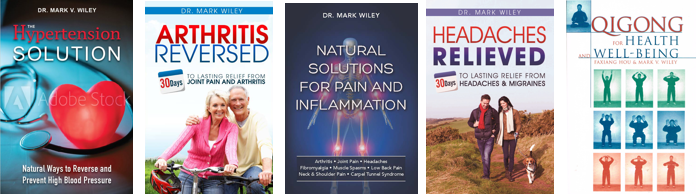
It also created another kind of dialogue. Writing brought Mark into contact with practitioners, researchers, physicians, teachers, and scholars whose perspectives continually challenged and expanded his own.
Rather than standing apart from practice, documentation became part of the same process: experience → observation → inquiry → articulation → further testing.
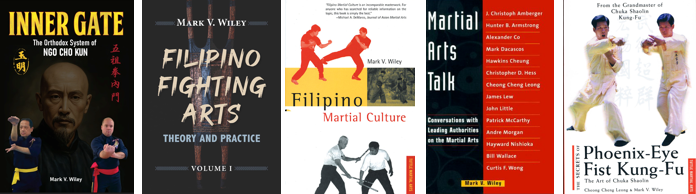
Emerging from his field research and archival work, these writings do not aim to describe systems from the outside, but to articulate how they function from within—how practice is structured, refined, and lived over time. His work consistently returns to one central concern: How knowledge becomes embodied—tested through practice, stabilized through repetition, and lived as a way of being.
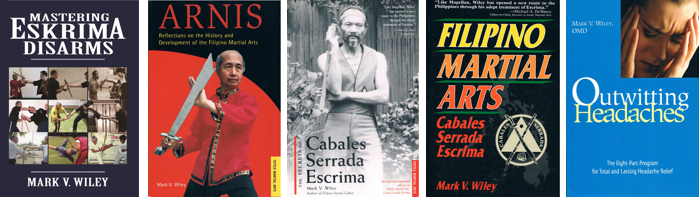
Today this work continues through Inner Life, Integral Being, articles, reflections, practices, field notes, books, and ongoing conversations with contemporary teachers and researchers exploring human development through lived experience.
Across decades of practice, fieldwork, healing, contemplative inquiry, research, and documentation, patterns that had first appeared within separate disciplines increasingly began to converge.
→ Integral Being Conversations Archive
→ The Inner Life Knowledge Base
The Emergence of an Integrated Model
After decades of training, research, fieldwork, teaching, and practice across different disciplines, a larger pattern began to emerge. Although the methods and traditions differed, they were working with different dimensions of the same human developmental process.
This recognition led to the development of the Inner Life Model—a framework for understanding embodied development as an interconnected process involving body, breath, attention, perception, regulation, interaction, and integration.
The model provides a way to see the whole: not as a collection of separate practices, but as an integrated developmental process in which different methods can be understood according to what they reveal, develop, refine, or test.
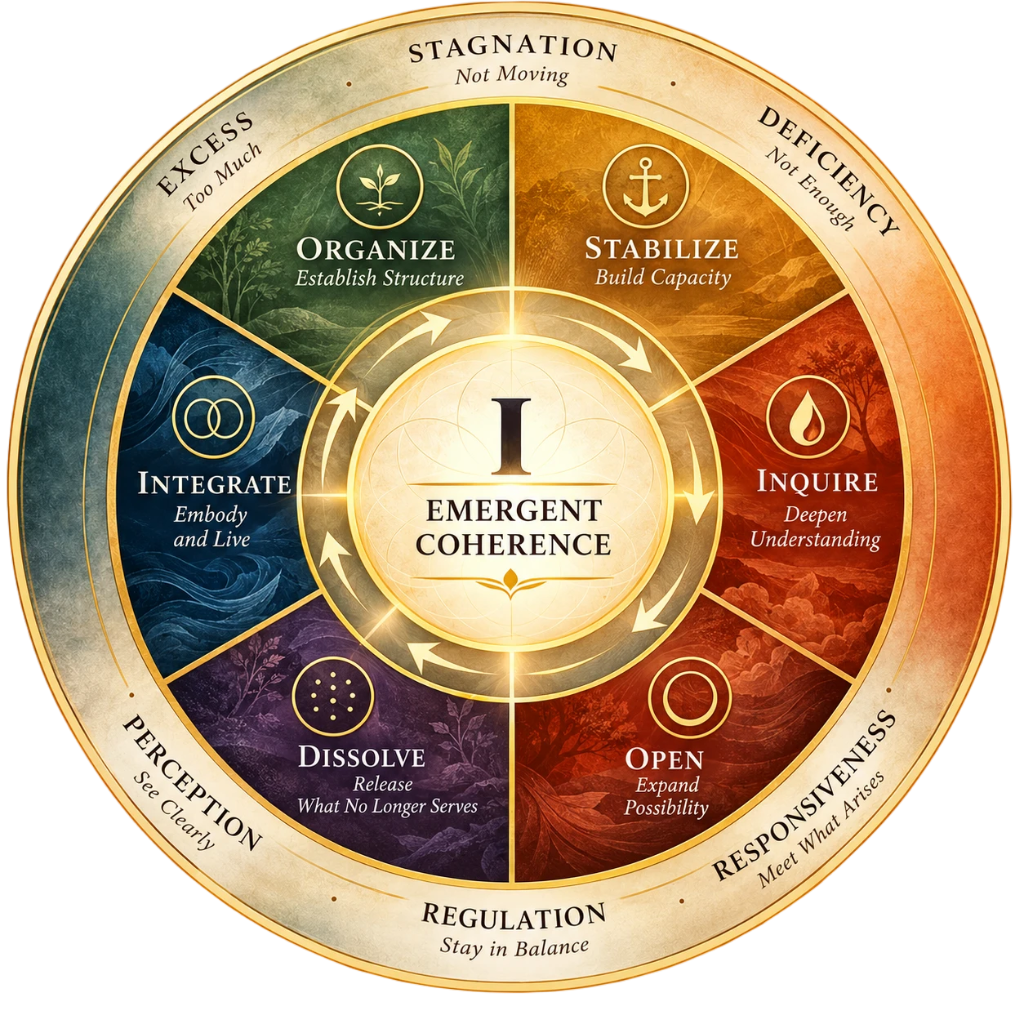
What is actually being developed—and does it become available beyond the conditions in which it was practiced?
→ Explore: The Inner Life Model
From Model to System
The Inner Life Model describes the developmental whole. Over time, additional frameworks emerged to address different aspects of working within that whole.
Integrated Modular Training, the Regulation Model, the Practice Field, and the Inner Life Ecosystem each serve a distinct function while remaining interconnected. Together with the Model, they form the Inner Life System—an integrated architecture for cultivating, refining, stabilizing, and expressing what develops through practice.
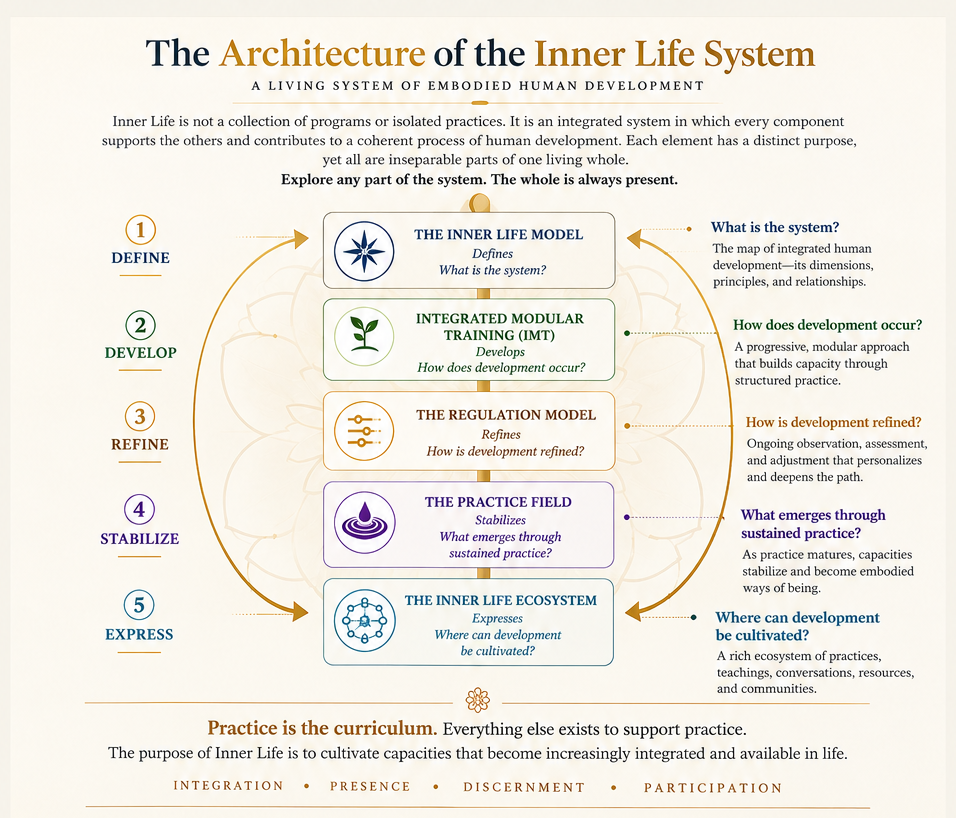
→ Explore: The Inner Life System
Inner Life and Integral Being
Inner Life brings this developmental framework into practice through the Inner Life System, Foundational Practices, reflections, field notes, talks, and educational resources.
Integral Being extends the inquiry through in-depth conversations with teachers, practitioners, researchers, and scholars whose work illuminates different dimensions of human development, consciousness, practice, and transformation.
Together, they form an evolving body of work concerned not simply with understanding human development, but with how understanding becomes embodied through practice and lived experience.
→ Begin: Six Foundational Practices
→ Explore: Integral Being
Philosophy of Practice
Across all traditions, a consistent orientation remains:
- Embodiment over abstraction.
- Practice over theory.
- Integration over accumulation.
After more than four decades, Mark continues the work as both practitioner and student—not as someone who has arrived, but as someone still practicing, questioning, testing, and learning.
Methods matter, but they are not the endpoint. Their value lies in what they reveal, develop, and make increasingly available beyond the conditions in which they are practiced.
What is cultivated through experience becomes embodied in life.
→ Reflection: Embodied Transformation: Why Insight Alone Isn’t Enough
The Work Continues
Today Mark continues to practice, write, research, teach, and engage in conversation with practitioners, teachers, and researchers from diverse traditions. Inner Life itself remains a living project—continuing to develop as experience, practice, and inquiry reveal more.
The question underlying the work remains remarkably simple:
How does what we cultivate through practice become available in how we live?
There is no final answer apart from experience. The inquiry continues through practice, variation, relationship, changing conditions, and life itself.
The path remains what it has always been:
Not something to understand, but something to live.